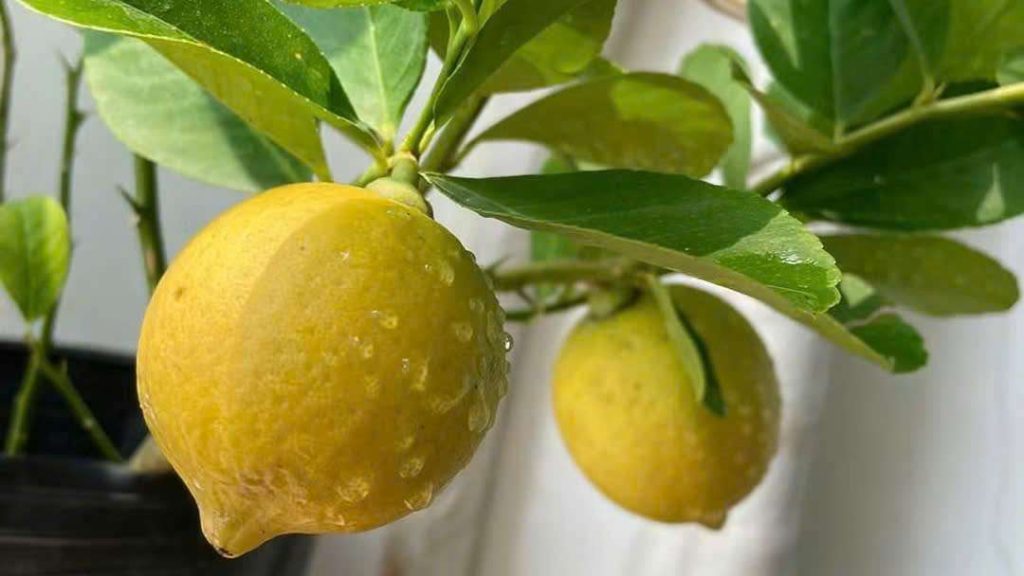
You do not need a sprawling orchard, a sprawling backyard acreage, or a massive plot of land to harvest fresh, juicy, vibrant lemons right from your own home.
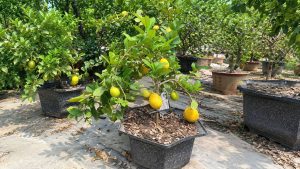
Thanks to modern citrus breeding and specialized dwarfing rootstocks, growing high-yielding fruit trees in compact spaces, patios, balconies, sunny decks, and even bright indoor corners has become entirely achievable for everyday gardeners.
Dwarf lemon trees typically mature at a manageable height of 5 to 8 feet, making them exceptionally easy to prune, harvest, manage, and protect from harsh winter weather while still producing full-sized, delicious, and heavy fruit crops.
Why Choose Dwarf Lemon Trees?
Before exploring the top individual cultivars available on the market today, it helps to understand why dwarfed citrus trees represent the gold standard for small-space and urban gardening.
- Rootstock Magic: True dwarf citrus trees are not genetically modified or artificially stunted; instead, standard lemon scions are carefully grafted onto specialized dwarfing rootstocks, such as the Flying Dragon trifoliate orange. This clever horticultural technique restricts the overall root system, which in turn naturally limits the vertical and horizontal canopy growth of the tree without sacrificing fruit size, quality, flavor, or juice content.
- Early Fruiting Potential: Because dwarf trees invest significantly less biological energy into massive wood and foliage production compared to standard trees, they often reach reproductive maturity much faster. Growers are frequently rewarded with a surprise harvest of delicious fruit in their very first or second year after planting.
- Incredible Mobility: When planted in proper containers, these trees can be easily moved indoors during freezing winter months or severe storms, and then brought back out onto sunny patios and porches when spring arrives, ensuring a thriving, year-round Mediterranean vibe in your living space.
1. The Improved Meyer Lemon
Without a doubt, the Improved Meyer lemon is the undisputed king of container citrus worldwide. Originally brought from China to the United States in the early 20th century by agricultural explorer Frank Meyer, this beloved hybrid is a natural cross between a traditional acidic lemon and a sweet mandarin orange.
- Flavor Profile: Sweeter, less aggressively acidic, and far more floral than standard supermarket lemons. It features a thin, fragrant rind and deep yellow-to-orange flesh when fully ripe on the branch.
- Growth Habit: Naturally compact, bushy, and well-behaved, reaching about 4 to 6 feet in height when grown in containers. It responds wonderfully to regular pruning, shaping, and training.
- Blooming Season: The Improved Meyer is famously prolific, often blooming and fruiting simultaneously multiple times throughout the year, filling your entire backyard or sunroom with the intoxicating scent of sweet citrus blossoms.
2. The Eureka Lemon
If you are searching for that classic, sharp, traditional grocery-store style lemon flavor for culinary arts, the dwarf Eureka lemon is your absolute best option.
- Flavor Profile: Highly acidic, intensely citrusy, and packed with an abundance of sharp juice and aromatic skin oils, making it the ultimate choice for cooking, baking, cocktail crafting, and preserving.
- Growth Habit: On dwarf rootstocks, the Eureka maintains an open, spreading canopy that usually caps out around 6 feet. It also features fewer thorns than standard variants, making routine maintenance, pest scouting, and harvesting a much more pleasant experience.
- Harvest Timeline: Eureka trees are known for bearing fruit year-round in warm climates, though the heaviest, most abundant flush typically ripens during the late winter and spring months.
3. The Lisbon Lemon
Similar to the Eureka in taste, appearance, and culinary utility, the dwarf Lisbon lemon is highly prized for its incredible physical resilience, vigor, and environmental hardiness.
- Flavor Profile: Tart, highly acidic, and exceptionally juicy with very few seeds, delivering that mouth-puckering citrus bite essential for lemonade and savory dressings.
- Growth Habit: The tree features a dense, upright canopy with thick, vigorous foliage that provides excellent natural sun protection for the developing fruit underneath. On dwarfing rootstocks, it stays exceptionally well-behaved in large pots, half-whiskey barrels, or small raised garden beds.
- Hardiness: Lisbon lemons exhibit superior tolerance to both intense summer heat waves and sudden cooler temperature drops compared to other sensitive cultivars, making them a reliable choice for temperamental microclimates.
Essential Tips for Container Success
Growing dwarf lemon trees in pots requires careful attention to a few basic maintenance principles to ensure long-term health and heavy harvests:
- Pot Selection: Choose a container that is at least 15 to 20 gallons in volume with generous drainage holes at the bottom. Terracotta and plastic pots both work well, though unglazed clay breathes better, regulates soil temperature, and helps prevent root rot by allowing excess moisture to evaporate through the walls.
- Sunlight and Feeding: Position your potted trees where they can receive at least 6 to 8 hours of direct, uninhibited daily sunlight. Because container nutrients leach out quickly during frequent waterings, feed your trees regularly with a balanced, slow-release citrus fertilizer tailored for high-performance fruiting plants.
By selecting the right cultivar and providing attentive, consistent care, you can easily enjoy an abundant, annual harvest of homegrown citrus from any sunny patio, balcony, or courtyard by exploring various dwarf lemon varieties.