When people imagine Japanese cherry blossoms, they often picture a quiet spring scene in Japan, with graceful branches covered in soft pink or white flowers. But you do not have to travel across the Pacific to enjoy this beautiful sight.
Japanese flowering cherry trees can grow successfully in many parts of the United States. In fact, they have become beloved landscape trees in American parks, gardens, neighborhoods, and public spaces.
The famous cherry trees around Washington, D.C., are perhaps the best-known example. Today, flowering cherries are enjoyed in many regions of the country, proving that their beauty is not limited to Japan.
However, growing one successfully in your own yard depends on choosing the right variety and giving the tree the conditions it needs.
Can Japanese Cherry Blossom Trees Grow in the USA?
Yes, Japanese flowering cherry trees can grow in many areas of the United States.
Several types and cultivars are adapted to USDA hardiness zones roughly from 5 through 8, although the exact range depends on the variety. Japanese flowering cherry, Prunus serrulata, for example, is listed for zones 5a through 8b by North Carolina State University Extension.
Yoshino cherry, one of the most famous flowering cherries, is also widely grown in the United States. Its cultivars can reach around 30 to 40 feet tall and produce beautiful spring flowers.
This means gardeners in many parts of the country can enjoy cherry blossoms without living in Japan.
The important thing is to match the tree with your local climate.
Where Do Japanese Cherry Trees Grow Best?
Japanese flowering cherries generally perform best where they receive plenty of sunlight and have well-drained soil.
A location with at least six hours of direct sunlight each day is a good starting point. These trees can tolerate some partial shade, but flowering is usually better when they receive plenty of sun.
Good drainage is equally important.
Cherry trees do not like sitting in constantly wet soil. If water remains around the roots after rain, the tree may become stressed and more vulnerable to problems.
Before planting, look at your yard after a heavy rainfall. If water disappears reasonably quickly, the location may be suitable. If the area stays soggy for a long time, consider another planting site.
Choose the Right Variety for Your Area
One of the biggest mistakes a gardener can make is choosing a cherry tree simply because it looks beautiful in a photograph.
Different flowering cherries have different characteristics.
Yoshino cherry is famous for its clouds of pale flowers and graceful branching. Kwanzan cherry produces larger, double pink flowers and is another popular choice in American landscapes. The National Park Service notes that Yoshino and Kwanzan are among the most common flowering cherries in Washington, D.C.
Higan cherry is another interesting option. It is known for tolerating summer heat, winter cold, and even clay soil better than some other flowering cherries.
Before buying a tree, check its mature size, hardiness zone, flowering time, and preferred growing conditions.
How to Start Growing Japanese Cherry Blossom in the USA
For gardeners interested in growing Japanese Cherry Blossom in the USA, the first step is choosing a healthy tree from a reputable nursery.
Spring and fall are commonly good planting periods, depending on your local climate. Avoid planting when the ground is frozen or when extreme weather is expected.
Choose an open location where the tree will have enough room to develop.
Remember that a young tree may look small at the nursery, but some flowering cherries eventually become medium-sized landscape trees. Yoshino cherry, for example, can reach approximately 30 to 40 feet tall.
Give the roots room to establish without placing the tree too close to buildings, sidewalks, or other large trees.
What Kind of Soil Do They Need?
Japanese flowering cherries prefer moist but well-drained soil.
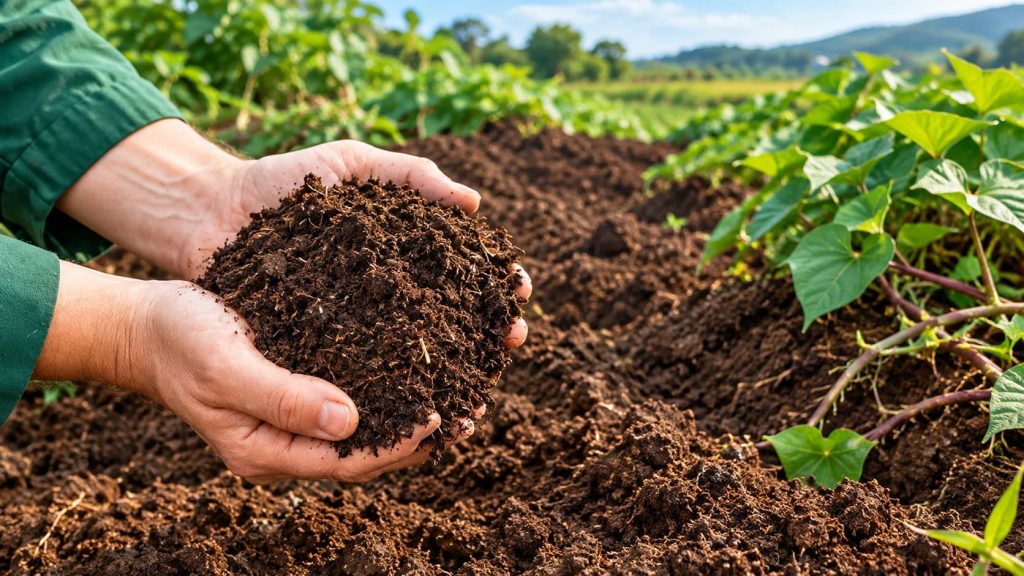
Loamy soil is often ideal because it can hold enough moisture while still allowing excess water to drain away.
If your soil is heavy clay, improve the planting area carefully rather than creating a small pocket of extremely different soil around the roots. The goal is to encourage the roots to grow outward into the surrounding soil.
Adding organic matter can also help improve soil structure, especially when the existing soil is poor.
The most important thing is avoiding prolonged waterlogging.
Sunlight Makes a Big Difference
If you want a spectacular spring display, do not hide your cherry tree in a dark corner of the garden.
Full sun is generally the best choice.
More sunlight encourages healthy growth and supports abundant flowering. A sunny lawn, open garden area, or spacious front yard can provide the kind of exposure these trees appreciate.
Think about the surrounding landscape, too.
A planting location that is sunny today may become shaded as nearby trees grow. Planning ahead can make a major difference over the long life of your landscape.
Watering a Young Cherry Tree
Newly planted trees need consistent moisture while their roots become established.
Water deeply rather than giving the tree a small amount of water every day. The exact amount depends on your soil, weather, and tree size.
During hot or dry periods, check the soil around the root zone. If it becomes excessively dry, the tree may need additional water.
At the same time, avoid keeping the soil constantly saturated.
A layer of organic mulch around the tree can help conserve moisture and moderate soil temperature. Keep mulch away from direct contact with the trunk.
Do Japanese Cherry Trees Need Much Pruning?
Japanese flowering cherries generally do not need heavy pruning to look beautiful.
Instead, focus on removing damaged, dead, or poorly positioned branches and maintaining a healthy structure.
It is better to avoid unnecessary cutting simply to force the tree into a particular shape.
Young trees benefit from thoughtful structural pruning, while mature trees should generally be pruned carefully.
Because flowering cherries can be susceptible to various pests and diseases, good airflow through the canopy is also helpful.
Common Problems to Watch For
Japanese cherry trees are beautiful, but they are not completely trouble-free.
Like other plants in the Prunus genus, flowering cherries can experience insect and disease problems. Poor drainage and stressful growing conditions can make these problems more difficult to manage.
Watch your tree regularly.
Look for unusual spots on leaves, damaged branches, declining foliage, or signs of insects. Catching problems early gives you a better chance of keeping the tree healthy.
Good sunlight, proper watering, adequate spacing, and good air circulation are simple ways to create better growing conditions.
How Long Do Japanese Cherry Trees Live?
This is something many gardeners do not realize.
Some Japanese flowering cherries are relatively short-lived compared with large native shade trees. North Carolina State University Extension notes an average lifespan of around 15 to 20 years for Prunus serrulata, although lifespan varies considerably by cultivar and growing conditions.
That may sound surprising, especially when you see photographs of magnificent old cherry trees in Japan.
However, the relatively shorter lifespan does not make them less valuable.
For many years, a healthy flowering cherry can transform a garden every spring, creating a moment that people look forward to year after year.
Can You Grow Cherry Blossoms in Warmer States?
This depends heavily on the variety and local climate.
Not every Japanese flowering cherry will perform equally well in warm regions.
Some cultivars are better suited to areas with colder winters, while others can tolerate a wider range of conditions. Higan cherry, for example, is noted for better tolerance of both summer heat and winter cold than some other flowering cherries.
If you live in a warmer part of the United States, selecting a variety specifically suited to your local hardiness zone is especially important.
Your local extension service or reputable nursery can help identify varieties that are proven in your region.
A Little Piece of Japan in an American Garden
There is something special about planting a Japanese cherry tree in an American garden.
For a few weeks every spring, the tree can completely change the feeling of the landscape. Bare branches become covered with delicate flowers, and suddenly the garden feels brighter and more alive.
You may find yourself waiting for the first buds to open.
Then one morning, you walk outside and realize that spring has arrived.
That is perhaps the greatest appeal of growing Japanese cherry blossoms. They do not simply decorate the garden. They create a seasonal moment.
With the right variety, plenty of sunlight, good drainage, and thoughtful care, gardeners across many parts of the United States can enjoy that moment every year.
You may not be standing beneath the cherry trees of Japan—but your own garden can still give you a little taste of that unforgettable spring beauty.