Kale is a hardy, productive vegetable that is easy to grow in a home garden. It needs little space, handles cool weather well, and can be harvested gradually as new leaves develop.
With good soil, regular watering, enough sunlight, and proper pest care, you can enjoy fresh kale for weeks. In this guide, I’ll share simple tips for choosing, planting, caring for, and harvesting kale successfully.
What Is Kale?
Kale is a leafy green vegetable from the Brassica family, which also includes cabbage, broccoli, and cauliflower. It grows as a compact plant with large edible leaves that can be green, purple, or bluish-green, depending on the variety.
Kale is a cool-season crop and is well suited to home gardens. It can be eaten raw or cooked and is popular in salads, soups, smoothies, and many simple everyday dishes.

Choosing the Right Kale Variety
Kale comes in several varieties, each with different leaf shapes, colors, and textures.
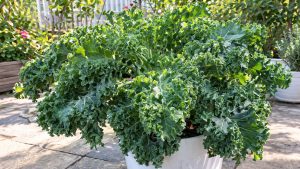
Curly kale has tightly curled green leaves and grows well in gardens or containers.
Lacinato kale has long, dark green leaves with a softer texture and is also known as dinosaur kale.
Red Russian kale has tender, flat leaves with reddish-purple stems.
Siberian kale is a hardy choice for cooler climates.
Choose a variety based on your climate, garden space, and how you plan to use the leaves.
When to Plant Kale
Kale is a cool-season vegetable that grows best in early spring and fall. It can tolerate light frost, making it a great choice for cooler weather.
In warm climates, avoid planting kale during the hottest part of summer, as high temperatures can slow growth and cause bolting.
For the best results, plant kale when temperatures are cool rather than hot.
How to Plant Kale
I’ve found that kale does best when it gets plenty of sunlight and grows in good soil. I usually choose a spot that gets about six hours of sun each day, with some afternoon shade when the weather gets hot.
Before planting, I work some compost into the soil to keep it loose and fertile. When I sow kale seeds, I cover them lightly with soil and keep the soil evenly moist until they sprout.
I also give each plant enough room to grow. Good spacing improves airflow and makes it easier to spot pests.
If I’m growing kale in containers, I use a pot with good drainage and enough space for the roots.
The Best Soil for Growing Kale
I’ve found that kale grows best in fertile, well-drained soil with plenty of organic matter. Aim for a soil pH of around 6.0–7.0, which works well for healthy growth.
I usually mix compost into the soil before planting. There’s no need for a complicated soil mix as long as the soil is fertile and drains well.
Avoid areas where water tends to collect after rain. Kale likes consistent moisture, but soggy soil can lead to root problems. If your soil is heavy clay, add compost to improve drainage. For sandy soil, compost can help it hold moisture better.
A layer of organic mulch around the plants can also help retain moisture, reduce weeds, and keep the soil in better condition.
How to Care for Kale
Once kale is established, caring for it is relatively simple. The main things to pay attention to are water, sunlight, nutrients, weeds, and pests.
Watering Kale
Kale prefers consistently moist soil.
During dry weather, check the soil regularly and water when the upper layer begins to dry. Avoid allowing the plants to repeatedly dry out completely and then receive a large amount of water.
Water near the base of the plant when possible rather than constantly wetting the leaves. Morning watering is a good habit because it gives excess moisture time to evaporate during the day.
Container-grown kale may need more frequent watering because pots dry out faster than garden soil.
Fertilizing Kale
Because kale produces a large amount of leafy growth, it benefits from fertile soil.
If you prepared the garden bed with compost before planting, you may not need much additional fertilizer early in the season.
As the plants grow, you can apply a balanced vegetable fertilizer according to the product instructions. Avoid applying excessive fertilizer, especially nitrogen, because too much can encourage weak, overly soft growth.
A small amount of compost around established plants can also provide a gentle source of nutrients.
Mulching Around Kale
Mulch is especially useful when growing kale during periods of changing weather.
Apply a layer of organic mulch around the plants, leaving a little space around the stem. Straw, shredded leaves, or compost can all work well.
Mulch helps keep moisture in the soil and reduces the amount of time you need to spend pulling weeds.
Common Kale Pests and Problems
Kale is generally easy to grow, but its leafy foliage can attract several common garden pests. Regularly checking your plants can help you spot problems before they become serious.
Aphids are small insects that often gather on young leaves and stems. Check the undersides of leaves regularly, as aphid populations can increase quickly.
Cabbage worms can also cause noticeable damage. You may see irregular holes in the leaves or find small caterpillars hiding among the foliage.
Flea beetles create many small holes in kale leaves, especially on young plants. Young seedlings are often more vulnerable to this type of damage.
The best approach is to inspect your kale plants regularly. Remove heavily damaged leaves when necessary and keep the area around your plants free of excessive weeds and plant debris. Row covers can also provide physical protection from some insect pests.
Companion Planting for Pest Prevention
Growing kale alongside certain plants can help create a more diverse garden and may make the area less attractive to some common pests. Try planting kale near herbs such as rosemary, thyme, or dill. Their strong scents may help discourage some insects. Flowers such as marigolds can also add diversity and attract beneficial insects.
If you want to grow mint near kale, it is better to keep mint in a container because it can spread quickly and become difficult to control in the garden. Avoid overcrowding your kale plants, as good airflow makes it easier to spot and manage pest problems. Companion planting works best as an extra layer of protection alongside regular inspection, healthy soil, proper watering, and good garden care.
When and How to Harvest Kale
You can start harvesting kale when the leaves are large enough to eat. Pick the larger outer leaves first and leave the smaller leaves in the center so the plant can keep growing.
Harvest in the morning using clean scissors or gently snap the leaves from the stem. Avoid removing too many leaves at once, and always leave the central growing point intact. Regular harvesting every few days can help keep your kale producing fresh leaves for longer.

How to Keep Kale Producing for Longer
Good harvesting habits can make a big difference.
Keep the soil consistently moist, provide adequate sunlight, and harvest mature outer leaves regularly.
Watch the weather as well. If temperatures begin rising significantly, kale may become more likely to bolt. In areas with hot summers, providing some afternoon shade can sometimes help extend the harvest.
For a fall crop, continue harvesting while the weather remains cool. Mature kale can tolerate surprisingly cold conditions, although severe weather may still require protection.
Planting a second batch of kale a few weeks after your first planting can also give you a more continuous supply.
Growing Kale in Containers
You do not need a large vegetable garden to grow kale.
A container with good drainage and enough depth for healthy roots can work well. Place the container somewhere that receives plenty of sunlight.
Use a quality potting mix rather than heavy garden soil. Keep the soil evenly moist and fertilize according to the needs of the variety and the growing medium.
Container-grown kale is also convenient because you can move the pot if weather conditions become too hot or cold.
If you are new to vegetable gardening, growing one or two kale plants in containers is a simple way to get started.

How to Store Freshly Harvested Kale
Fresh kale is best used soon after harvesting, but proper storage can help maintain quality.
After harvesting, remove damaged leaves and gently clean the greens. Allow excess moisture to drain before storing them.
Wrap the leaves loosely in a clean towel or paper towel and place them in a suitable container or produce bag in the refrigerator.
Avoid crushing the leaves because damaged foliage tends to deteriorate more quickly.
If you grow more kale than you can eat fresh, you can also preserve some of the harvest by blanching and freezing it.
How to Use Kale in the Kitchen
After harvesting fresh kale from the garden, there are plenty of simple ways to enjoy it. I often use young leaves raw in salads because they are tender and easy to eat.
Kale also works well in everyday dishes. You can sauté it with garlic and a little olive oil, add chopped leaves to soups and stews, or mix it into pasta and scrambled eggs.
If you want something crispy, try making kale chips in the oven. Kale can also be blended into smoothies with fruit for a quick breakfast.
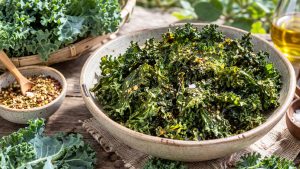
For the best texture, remove tough stems from mature leaves before cooking and wash the leaves well before using them.
Final Thoughts
Growing kale is simple when you provide fertile soil, sunlight, regular moisture, and cool weather. Harvesting the outer leaves allows the plant to keep producing for longer.
With the right variety, proper care, and regular pest checks, kale can become an easy and rewarding vegetable to grow at home.
Frequently Asked Questions About Growing Kale
How long does kale take to grow?
Many kale varieties can provide young leaves within several weeks of planting. The exact timing depends on the variety, weather, growing conditions, and whether you started from seed or transplants.
Does kale need full sun?
Kale grows best with plenty of sunlight, generally around six hours per day. In hot climates, some afternoon shade can help protect the plants from excessive heat.
Can kale grow in containers?
Yes. Kale grows very well in containers as long as the pot has good drainage, enough space for the roots, and is placed in a suitable location with adequate sunlight.
How often can you harvest kale?
You can harvest kale repeatedly throughout the growing season. Pick the larger outer leaves first and leave the center of the plant intact so new leaves can continue developing.
Does kale grow back after cutting?
Yes. If you harvest individual outer leaves instead of cutting down the entire plant, kale can continue producing new foliage from the center.
What is the best time to harvest kale?
Kale can be harvested whenever the leaves reach a useful size. Harvesting in the morning, when temperatures are cooler, can help keep the leaves fresh and crisp.
Can kale survive frost?
Many kale varieties are quite cold tolerant and can survive light frost. In fact, cool weather can make the leaves taste sweeter. However, extreme cold can still damage plants, especially young seedlings.
Why are my kale leaves full of holes?
Small holes can be caused by pests such as flea beetles or caterpillars. Inspect both sides of the leaves regularly and look for insects, eggs, or caterpillars.
How do I prevent kale from bolting?
Plant kale during cooler parts of the growing season, keep the plants adequately watered, and avoid exposing them to prolonged heat when possible. Choosing a suitable planting time is one of the best ways to reduce bolting.