Begonias are loved by gardeners for their cheerful flowers, colorful foliage, and ability to brighten almost any corner of the home. From a shaded porch to a sunny windowsill, there is a begonia for many growing spaces.
They are also rewarding plants because, with a little care, they can keep producing attractive growth and blooms. In this guide, you’ll learn how to grow and care for begonias at home, from planting and watering to feeding and propagation.
What Is a Begonia?
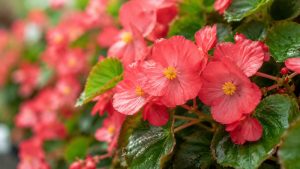
Begonia is a large group of flowering plants known for their colorful blooms and attractive foliage. Depending on the variety, begonias can have small flowers, large showy blooms, patterned leaves, or tall, upright stems. Some stay compact and work well in pots, while others grow much larger and look beautiful on a shaded porch or patio.
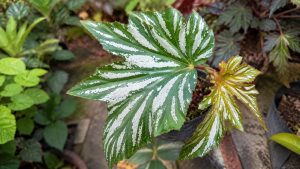
Popular types include wax, tuberous, rex, and angel wing begonias. Some are grown mainly for their flowers, while others are prized for their unusual leaves. Because begonias vary so much, choosing a type that matches your growing conditions is the best place to start.
When to Plant Begonias
The best time to plant begonias outdoors is after the last frost, when the soil has warmed and nights are no longer cold. I usually wait until the weather feels consistently warm rather than rushing them outside on the first mild day of spring.
For container begonias, you have more flexibility because the pots can be moved if temperatures suddenly drop. Spring is a good time to get them established and give the roots plenty of time to grow before summer heat arrives. If you’re growing begonias indoors, they can be planted at any time of year as long as they have suitable light and warm conditions.
How to Plant Begonias at Home
Start with a pot that has drainage holes and fill it with loose, well-draining potting mix. If planting outdoors, choose a spot where water doesn’t collect after rain. Gently remove the begonia from its nursery pot and loosen any tightly packed roots. Place it in the hole at the same depth it was growing before, then fill around the roots and press the soil lightly.
Water thoroughly after planting and let the excess drain away. For the first few weeks, check the soil regularly and water when the top layer begins to dry. Avoid keeping the soil constantly wet while the roots are settling in.
Choosing the Right Begonia for Your Home
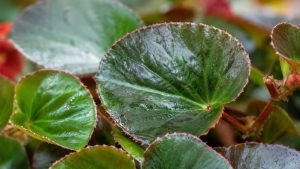
If you’re new to begonias, I’d start with the growing space you already have rather than choosing a variety first. Wax begonias are a good choice for beginners because they are compact, flower well, and work nicely in pots or garden beds. For large, showy flowers, tuberous begonias are hard to beat, especially in a partly shaded spot.
If you’re more interested in foliage, Rex begonias are a favorite because their leaves come in striking patterns and colors. Angel wing begonias are another popular choice and can make a strong statement indoors or on a sheltered porch.
When buying a plant, choose one with firm stems, healthy leaves, and plenty of fresh growth. I also check underneath the leaves for pests before bringing it home.
What Do Begonias Need to Grow?
Getting the basics right makes begonia care much easier. Before worrying about flowers or pruning, focus on the conditions around the roots and leaves. Light, water, and good soil all work together to keep the plant growing steadily.
Light
Begonias like bright light, but most varieties don’t enjoy strong afternoon sun. Morning sun with afternoon shade works well outdoors. Indoors, place them near a bright window with indirect light.
Water
Water when the top inch of soil feels dry. Give the plant a thorough soak, then let the excess drain away. Don’t keep the soil constantly wet. Check the soil more often during hot weather.
Soil and Fertilizer
Use a loose potting mix that drains well while holding some moisture. Avoid heavy garden soil in containers. During active growth, feed begonias with a balanced fertilizer according to the label. Light, regular feeding is usually enough.
Begonia Care Throughout the Growing Season
Once your begonia is established, regular maintenance helps keep it looking attractive.
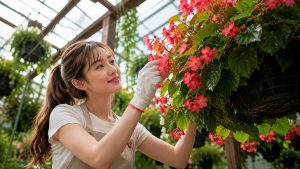
Remove faded flowers when appropriate to encourage a cleaner appearance and redirect the plant’s energy toward healthy new growth. Remove damaged or yellowing leaves as well, especially if they are no longer contributing to the plant.
Keep an eye on the stems and foliage for signs of pests. Early detection makes problems much easier to manage.
Good air circulation is also helpful. Avoid overcrowding several plants together, particularly in warm and humid conditions.
If your begonia begins to become leggy or uneven, light pruning can help maintain a fuller shape. Always use clean, sharp tools when pruning.
Pruning Begonias
Begonias don’t need heavy pruning, but an occasional trim can keep the plant fuller and healthier. I usually remove yellow, damaged, or completely dead leaves first, then cut back long, weak stems that make the plant look uneven. Make each cut just above a healthy leaf or growing point so new shoots can develop from there.
Use clean, sharp scissors or pruning shears to avoid damaging the stems. If the plant has become very leggy, don’t cut everything back at once. A light trim is usually enough. Regularly removing faded flowers can also keep flowering begonias looking neat and encourage fresh blooms.
How to Propagate Begonias
One of the fun things about growing begonias is that many types can be propagated at home.
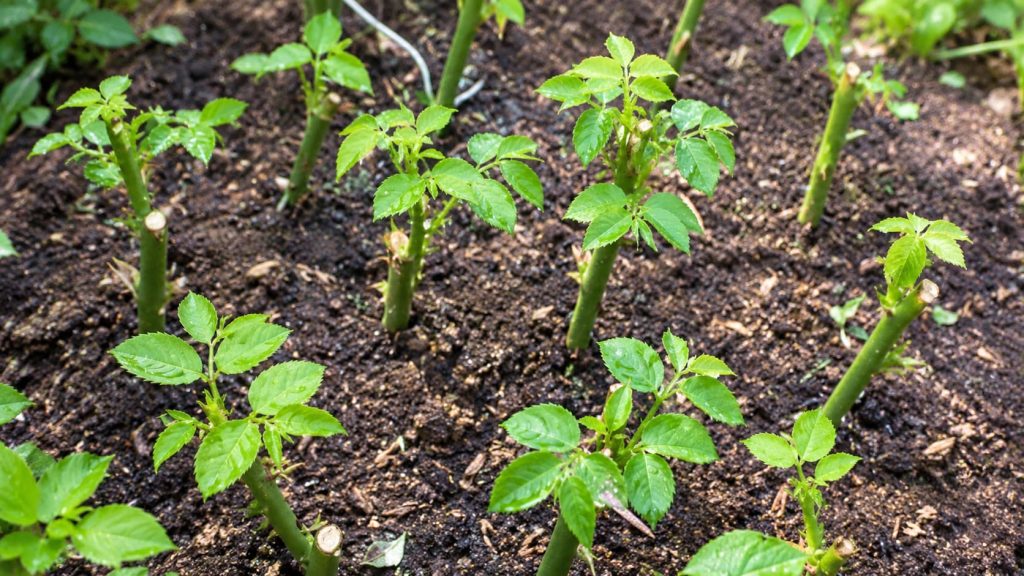
Depending on the variety, propagation may be possible through stem cuttings, leaf cuttings, or division. Stem cuttings are a common option because they can produce new plants from healthy pieces of the parent plant.
Choose healthy plant material and use clean tools to reduce the chance of spreading disease. Provide the cutting with appropriate moisture, warmth, and light while it develops roots.
Propagation can take some patience, but it is an inexpensive way to produce additional plants for your home or garden.
Common Begonia Problems and How to Fix Them
Even relatively easy plants can develop problems when their growing conditions aren’t right.
Yellow leaves: Yellowing can have several causes, including excessive moisture, poor drainage, natural aging, or insufficient light. Check the soil before changing your watering routine.
Wilting: A wilted plant may need water, but wilting can also occur when roots are stressed by excessive moisture. Always check the soil rather than assuming the plant is simply thirsty.
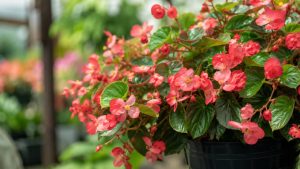
Few or no flowers: Insufficient light, inappropriate feeding, or stressful growing conditions can reduce flowering. Make sure the plant receives the amount of light recommended for its variety.
Brown or damaged leaves: Strong direct sunlight, dry conditions, or inconsistent watering can contribute to damaged foliage.
Pests: Aphids, spider mites, and other small pests may occasionally appear. Inspect the undersides of leaves and new growth regularly.
The best solution is usually to identify the underlying growing-condition problem instead of treating the symptom alone.
Tips to Help Begonias Bloom Longer
From my experience, begonias tend to keep flowering longer when their growing conditions stay steady. Give them bright light without strong afternoon sun, water when the soil starts to dry, and avoid letting the roots sit in soggy soil.
Remove faded flowers regularly to keep the plant looking tidy and encourage fresh blooms. During the growing season, a light feeding with balanced fertilizer can also help support flowering.
One thing I avoid is trying to force more flowers with extra fertilizer or water. Begonias usually bloom better when the roots are healthy and the plant isn’t under stress from too much water, heat, or harsh sunlight.
Begonia Flower Meaning
Begonias are often associated with gratitude, appreciation, admiration, and affection. They can be given as a thoughtful gift to show someone that you value them.
The meaning can vary by color. Red begonias may represent strong feelings, while pink begonias suggest affection and care. White begonias are linked with sincerity and purity, and yellow begonias can symbolize happiness and friendship. Their colorful flowers and unique foliage also make them a symbol of beauty and individuality.
Final Thoughts
Begonias offer an impressive combination of colorful flowers and attractive foliage, making them a versatile choice for both indoor and outdoor gardening. While different varieties have different preferences, most successful care comes down to a few fundamentals: provide appropriate light, use well-draining soil, water carefully, and avoid keeping the roots constantly wet.
Once you understand those basics, begonias become much easier to grow and maintain. And with so many varieties available, there is always another type to discover and add to your garden.
Frequently Asked Questions About Begonias
Are begonias easy to grow?
Many begonias are relatively easy to grow when they receive appropriate light, moisture, and drainage. Some varieties are more forgiving than others, so choosing a type suited to your environment is important.
Do begonias need full sun?
Many begonias prefer bright light with protection from strong afternoon sun. However, requirements vary by variety. Check the specific needs of your plant.
How often should I water a begonia?
Water when the soil begins to dry rather than following a strict calendar. Temperature, humidity, pot size, soil, and light all affect how quickly the soil dries.
Can begonias grow indoors?
Yes. Many begonias can grow indoors when provided with bright, indirect light, suitable temperatures, good drainage, and appropriate watering.
Do begonias come back every year?
This depends on the type and your climate. Some begonias can grow as perennials in warm climates, while others are commonly grown as annuals or brought indoors when temperatures become too cold.
How can I get my begonia to produce more flowers?
Start with suitable light, consistent watering, healthy soil, and appropriate feeding. Avoid excessive fertilizer or water, as these can create more problems rather than more flowers.
Can begonias grow in containers?
Yes. Begonias are excellent container plants. Choose a pot with drainage holes and use a loose, well-draining potting mix.
How long do begonia flowers last?
The flowering period varies by variety and growing conditions. With suitable light, regular watering, and good care, many flowering begonias can continue producing blooms for an extended period.
Why is my begonia not flowering?
Too little light is one common reason, but watering problems, temperature changes, and poor growing conditions can also affect flowering. Check the plant’s basic needs before adding more fertilizer.
Can begonias survive winter?
Some varieties can survive winter in warm climates, while others are sensitive to cold. In colder areas, container-grown begonias can often be moved indoors before temperatures drop too far.