Potatoes are one of those garden crops that always make me curious at harvest time. You can look at a healthy plant all season and still have no idea how many potatoes are waiting underneath the soil. In my experience, growing a good crop comes down to a few simple things: healthy seed potatoes, loose soil, consistent moisture, and proper hilling. Once those basics are right, potatoes are surprisingly easy to grow and rewarding to harvest.
What Are Potatoes?
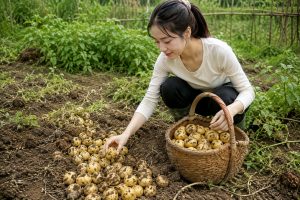
Potatoes are cool-season vegetables grown for their edible underground tubers. They belong to the nightshade family, Solanaceae, along with tomatoes, peppers, and eggplants.
The part we eat is actually a modified underground stem rather than a true root. Potatoes come in many varieties, including russet, red, yellow, white, and purple types. Each variety can have different textures and is better suited to certain cooking methods.
For a home garden, potatoes are especially useful because they can produce a good harvest from a relatively small planting area. They can also be grown in garden beds, raised beds, containers, and grow bags.
How to Grow Potatoes
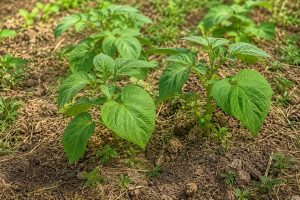
The best time to start planting potatoes is in early spring, when the soil has warmed enough to work and the risk of hard frost has passed. In many areas, this means planting about 2 to 4 weeks before the last expected spring frost.
Potatoes prefer cool growing conditions, but the soil should not be cold and waterlogged. If the soil is too wet, seed potatoes may rot before they have a chance to grow. Check your local frost date and soil conditions rather than relying on a specific calendar date.
In warmer climates, potatoes can also be planted in late summer or early fall for a cool-season harvest. The exact planting window depends on your local climate and the potato variety.
Growing potatoes is not complicated, but I’ve learned that preparation makes a noticeable difference. Most problems I see with homegrown potatoes can be traced back to poor soil, overcrowding, inconsistent watering, or planting unhealthy seed potatoes.
Choose the Right Location
Potatoes grow best in full sun, so I choose a location that receives about 6 to 8 hours of sunlight each day.
Good drainage is just as important as sunlight. Potato tubers do not perform well when they sit in constantly wet soil. If your garden has heavy clay or poor drainage, a raised bed can make growing potatoes much easier.
I also avoid planting potatoes in the same spot year after year. Rotating crops helps reduce the chance of soilborne diseases building up over time.
Prepare the Soil
This is one step I never rush.
Potatoes develop underground, so the soil needs to be loose enough for the tubers to expand. Before planting, I loosen the soil deeply and remove large rocks, sticks, old roots, and hard clumps.
Adding finished compost can improve soil structure and provide organic matter. I prefer well-aged compost rather than fresh manure.
Fresh manure can contain pathogens and may contribute to excessive foliage or poorly formed tubers. Good soil preparation is much more valuable than simply adding more fertilizer.
Choose Healthy Seed Potatoes
For the best results, I recommend starting with certified seed potatoes.
Grocery store potatoes are not always a reliable choice. Some have been treated to slow sprouting, and they may carry diseases that you do not want to introduce into your garden.
Small seed potatoes can often be planted whole. Larger potatoes can be cut into smaller pieces, as long as each piece has one or two healthy eyes.
If you cut seed potatoes, allow the cut surfaces to dry before planting. This gives the exposed area a chance to form a protective layer.
Plant the Potatoes
Potatoes are generally planted in spring once the soil is workable and the risk of extreme cold has passed.
Place the seed potatoes with the eyes facing upward and cover them with several inches of soil.
As the plants grow, you will gradually add more soil around their stems. This process, known as hilling, is one of the most important parts of growing potatoes.
Give Them Enough Space
Spacing matters because potatoes need room both above and below the ground.
If plants are packed too closely together, they compete for sunlight, water, and nutrients. The underground tubers can also have less room to develop.
I always check the spacing recommendations for the specific variety I’m growing because early potatoes and larger main-season varieties can have different requirements.
How to Care for Potatoes
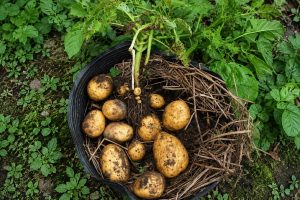
Once potato plants are established, they do not require constant attention. However, regular care during the growing season can make a big difference in the final harvest.
Water Consistently
Consistent moisture is one of the most important parts of potato care.
I try to keep the soil evenly moist while the plants are actively growing, particularly when they begin flowering and the tubers are developing.
I’ve found that potatoes do not appreciate being allowed to become extremely dry and then receiving a large amount of water all at once. Sudden changes in soil moisture can contribute to cracked or irregular tubers.
At the same time, avoid keeping the soil constantly saturated. Waterlogged soil can encourage rot and other problems.
A deep watering when the soil begins to dry is generally more useful than giving the plants a small amount of water every day.
Hill the Plants
Hilling is something I would not skip when growing potatoes.
As the stems grow taller, add soil around the base of the plants, leaving the upper foliage exposed. This gives developing tubers more room and protects them from sunlight.
Potatoes exposed to light can develop green areas, so keeping the developing tubers covered is important.
I prefer to hill gradually rather than piling a huge amount of soil around the plants at once.
Control Weeds
Young potato plants can have trouble competing with aggressive weeds.
I remove weeds while they are still small because they are much easier to control at that stage. When working around potatoes, I avoid digging too deeply because developing tubers can be damaged easily.
Once potato foliage becomes dense, it naturally shades the soil and helps suppress some weeds.
Fertilize Carefully
Potatoes need nutrients, but more fertilizer does not necessarily mean a bigger harvest.
One mistake I often see is excessive nitrogen. Too much nitrogen can encourage large, healthy-looking foliage while reducing the balance between plant growth and tuber development.
If possible, test your soil before planting. A soil test can tell you much more about nutrient needs than simply adding fertilizer and hoping for the best.
When and How to Harvest Potatoes
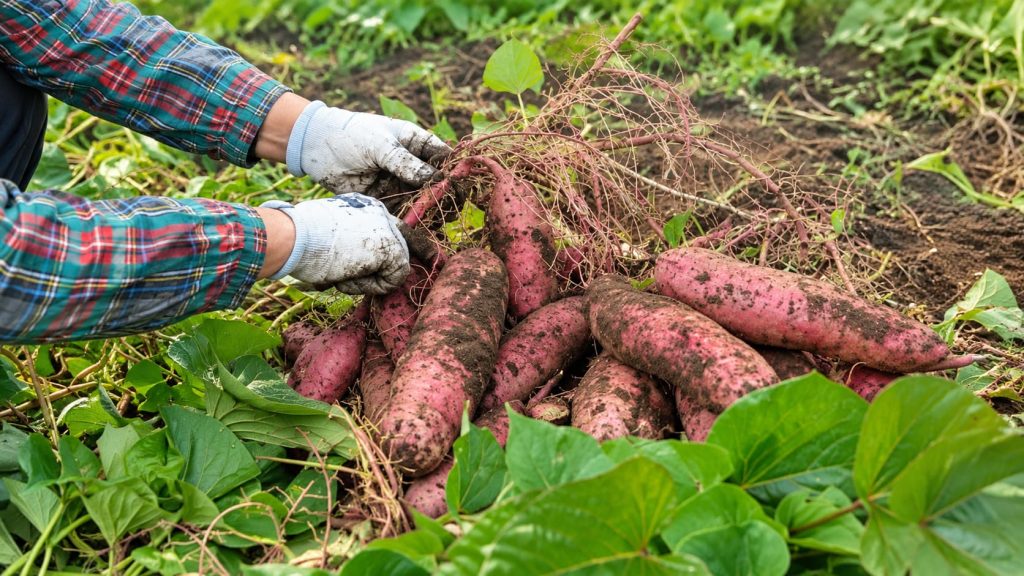
Harvesting potatoes is one of the most satisfying jobs in the garden because most of the crop is hidden underground.
The right harvesting time depends on what you want from the potatoes.
For new potatoes, you can harvest earlier while the skins are thin and delicate. These small potatoes are especially good for boiling, roasting, or eating fresh.
For potatoes intended for storage, I usually wait until the plants begin to yellow and die back naturally. This is a useful indication that the tubers have reached maturity.
How to Harvest
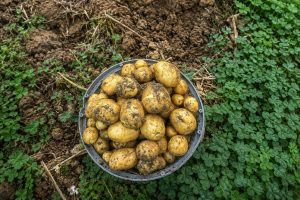
When harvesting a small garden crop, I prefer using a garden fork rather than aggressively digging with a shovel.
Insert the fork into the soil a reasonable distance away from the plant. Then gently lift the soil and search through it by hand.
This takes a little more patience, but it reduces the chance of cutting or stabbing the potatoes.
I also make a second pass through the soil because it is surprisingly easy to leave a few small potatoes behind.
Handle the harvested potatoes carefully. Cuts, bruises, and damaged skins can shorten their storage life.
How to Store Fresh Potatoes
Freshly harvested potatoes can last for quite a while when stored correctly.
If you plan to store mature potatoes, allow them to cure in a cool, dark, well-ventilated place. During this period, the skin becomes tougher and better prepared for storage.
I avoid washing potatoes before long-term storage. Instead, I gently brush away excess soil once they are dry.
Before storing them, sort through the harvest and remove any potatoes that are:
- Cut
- Bruised
- Soft
- Damaged
- Showing signs of rot
I use damaged potatoes first rather than putting them into long-term storage.
For storage, potatoes need a cool, dark, and well-ventilated environment. Keep them away from direct sunlight because light can cause the tubers to develop green areas.
I also prefer not to store potatoes directly beside onions for extended periods. Both crops have different storage requirements and can affect one another during storage.
How to Use and Cook Potatoes
One of the best things about growing potatoes is how many ways you can use them in the kitchen.

Roasted Potatoes
Roasting is one of my favorite simple ways to prepare garden potatoes.
Cut them into similar-sized pieces, add a little cooking oil and your preferred seasonings, then roast until the outside is browned and the inside is tender.
Fresh potatoes usually need very little to make a satisfying side dish.
Mashed Potatoes
Potatoes can be boiled until tender and mashed with butter, milk, herbs, or other ingredients.
Yellow-fleshed varieties are often especially good when you want a creamy texture.
Baked Potatoes
Large potatoes are excellent for baking. Pierce the skin before cooking and bake until the center is completely tender.
Russet potatoes are commonly used for baked potatoes because of their texture.
Boiled Potatoes
Small potatoes can be boiled whole and served with herbs, butter, or other vegetables.
This is one of the simplest ways to enjoy freshly harvested potatoes because it allows their natural flavor to stand out.
Potatoes in Soups and Stews
Potatoes are also useful in soups and stews. They add texture, substance, and mild flavor while pairing well with vegetables, herbs, beans, and other ingredients.
Potato Nutrition and Benefits
Potatoes are sometimes judged mainly by the way they are prepared. While fried potatoes are very different from a simple baked or boiled potato, potatoes themselves can provide several useful nutrients.
They contain carbohydrates, which provide energy, as well as nutrients such as vitamin C, vitamin B6, and potassium.
Potassium
Potatoes can be a useful source of potassium. This mineral plays important roles in normal muscle and nerve function.
Vitamin C
Fresh potatoes contain vitamin C, although the amount can change depending on storage and cooking methods.
Fiber
Potatoes with their skins provide dietary fiber. When appropriate, keeping the skin on can also add texture and flavor to meals.
Different Potato Colors
Potatoes are available in many colors, including red, yellow, white, and purple.
Purple potatoes contain natural plant pigments called anthocyanins. Growing several varieties can make both your garden and your meals more interesting.
The nutritional value of a potato dish also depends heavily on what is added during preparation. A plain baked potato is a different food experience from one that is heavily fried or covered with large amounts of added ingredients.
Conclusion
Growing potatoes has taught me that a successful harvest usually starts long before planting day. Good soil preparation, healthy seed potatoes, consistent moisture, proper spacing, and regular hilling are the basics I rely on every season. The best part is still harvest time, when you lift the soil and discover potatoes that have been quietly developing underneath the plants. With proper curing and storage, a good harvest can continue providing meals for weeks or even months.
FAQs About Growing Potatoes
How long do potatoes take to grow?
Potatoes can take anywhere from several weeks to several months depending on the variety. Early varieties mature faster, while main-season potatoes generally need more time. Always check the expected maturity period for the variety you are growing.
Why are my potato plants growing lots of leaves but few potatoes?
Excessive nitrogen can encourage strong foliage growth without producing the tuber development you want. Poor sunlight, overcrowding, and unsuitable soil conditions can also contribute. I would check the growing conditions before adding more fertilizer.
How often should I water potatoes?
Water when the soil begins to dry, aiming for consistent moisture throughout the growing season. Pay particular attention during flowering and tuber development. Avoid allowing the soil to become extremely dry or constantly waterlogged.
Why are my potatoes turning green?
Potatoes can develop green areas when they are exposed to light. This is one reason hilling and proper storage are important. Potatoes with green portions should be handled carefully and should not be eaten if they have significant greening.
Do potatoes really need to be hilled?
Hilling is highly useful because it keeps developing tubers covered and protected from sunlight. It also provides additional space for tubers to form around the stems.
Can I grow potatoes in containers?
Yes. Potatoes can grow well in large containers, grow bags, or other deep containers with good drainage. Container growing can be especially useful if your garden soil is heavy or you have limited garden space.
Can I plant potatoes from the grocery store?
Certified seed potatoes are generally a better choice. Grocery store potatoes may have been treated to prevent sprouting and may carry diseases that could cause problems in your garden.
How do I know when potatoes are ready to harvest?
For potatoes intended for storage, wait until the plants naturally begin to yellow and die back. New potatoes can be harvested earlier when the tubers are smaller and their skins are still thin.