Carrots are one of those vegetables that look simple to grow but can be surprisingly tricky if the soil and watering are not right. I’ve found that the biggest difference between a disappointing carrot harvest and a good one usually comes down to soil preparation and consistent moisture. Once you get those basics right, carrots are fairly low-maintenance and can reward you with crisp, sweet roots throughout the growing season.

What Are Carrots?
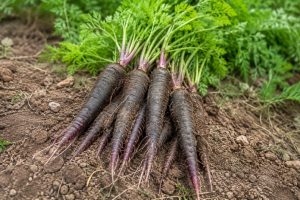
Carrots are cool-season root vegetables grown for their edible underground roots. They belong to the Apiaceae family, along with parsley, celery, fennel, and parsnips. While orange carrots are the variety most people see at the grocery store, home gardeners can also grow purple, red, yellow, and white varieties.
One thing I like about growing carrots is that you do not need a huge garden. A small raised bed or a deep container can produce a worthwhile crop as long as the soil is deep, loose, and well drained.
Most carrots take roughly 50 to 80 days to mature, although the exact timing depends on the variety and growing conditions.
How to Grow Carrots
If you want straight, well-sized carrots, I recommend putting most of your effort into the soil before you even sow the seeds. The foliage is not particularly demanding, but the roots need room to grow downward without hitting hard soil, rocks, or other obstacles.
Choose a Good Growing Location
Carrots generally do best with around 6 to 8 hours of sunlight each day. I prefer to give them the sunniest part of the garden I have available, particularly during the cooler parts of the growing season.
Good drainage is also important. If water tends to sit in the garden after rain, I would choose a raised bed or improve the drainage before planting.
Prepare the Soil Deeply
This is probably the most important carrot-growing lesson I’ve learned.
Before planting, loosen the soil as deeply as the mature carrot roots will need. Break up hard clumps and remove rocks, sticks, old roots, and anything else that could block the roots.
I like to work in finished compost before sowing. It improves the soil structure without making the planting bed excessively rich.
Avoid adding fresh manure immediately before planting. Besides being unnecessary, it can contribute to oddly shaped or forked carrots.
The goal is simple: loose soil from the surface all the way down through the root zone.

Sow Seeds Directly
I usually sow carrot seeds directly where I want them to grow. Carrots have delicate roots, and transplanting can disturb the developing root.
Make shallow rows and sow the seeds according to the spacing recommended for your variety. Cover them lightly with fine soil.
The seeds are tiny, so it is easy to plant too many in one spot. Don’t worry if they look crowded when you first sow them. The important thing is to thin the seedlings once they emerge.
Keep the Seedbed Moist
This is another area where carrots can test your patience.
Carrot seeds can take one to three weeks to germinate, and the soil surface can dry out quickly during that time. I check the seedbed frequently and try not to let the top layer completely dry out.
I prefer gentle watering at this stage so the tiny seeds are not washed away or buried too deeply.
Thin the Seedlings
Once the seedlings are established, thin them so each carrot has enough room to develop.
This is not the most exciting gardening job, but skipping it can lead to a disappointing harvest. Crowded carrots compete for space underground and often end up small, thin, or poorly shaped.
If I have to choose between leaving too many seedlings or thinning them properly, I always choose thinning.
How to Care for Carrots
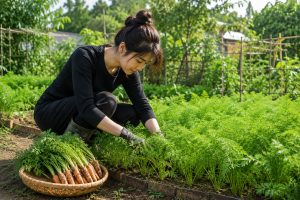
Carrots are relatively easy to care for once they are established. In my experience, the main things to watch are moisture, weeds, soil condition, and spacing.
Water Consistently
I’ve found that carrots respond much better to consistent watering than to occasional heavy watering.
Try to keep the soil evenly moist, particularly while the roots are developing. If the soil becomes very dry and then receives a large amount of water, carrots can crack.
You do not need to keep the soil soaking wet. The goal is steady moisture without creating waterlogged conditions.
Keep Weeds Under Control
Weeds can become a serious problem while carrots are young because carrot seedlings are small and slow-growing.
I prefer to remove weeds early rather than waiting until they become large. Pull them carefully by hand or use a shallow tool so you do not disturb the developing carrot roots.
Once the carrot foliage becomes larger, it can compete with weeds more effectively.
Use Light Mulch
A light layer of mulch can help keep moisture in the soil and slow down weed growth.
Straw, shredded leaves, or another clean organic mulch can work well. I avoid putting a thick layer directly over young carrot seedlings because it can interfere with their growth.
Fertilize Carefully
Carrots generally do not need heavy feeding. If the soil already contains plenty of organic matter, adding large amounts of fertilizer can do more harm than good.
One mistake I try to avoid is overfeeding with nitrogen. You may end up with impressive green tops but roots that are not nearly as impressive.
If you are unsure what your soil needs, a soil test is more useful than guessing.
Give Carrots Enough Sunlight
Carrots can tolerate some shade, but I get better results when they receive plenty of sunlight.
If your garden has several possible planting locations, choose one that gets good light while still having well-drained soil.
When and How to Harvest Carrots
Harvesting carrots is one of my favorite parts because you cannot always tell exactly what is happening underground.
The days-to-maturity information on the seed packet is a useful starting point, but I don’t rely on it completely. Weather, soil, watering, and variety can all affect how quickly the roots develop.
Instead, I check the shoulders of the carrots where they meet the soil. If they look large enough, I pull one to see how the crop is developing.
How to Harvest
If the soil is loose, carrots can often be pulled by hand. When the soil is compacted, I loosen it around the root first with a garden fork.
I try not to pull aggressively because the tops can break away from the root.
A simple harvesting routine is:
- Loosen the soil if necessary
- Grip the foliage close to the root
- Pull upward gently
- Brush away loose soil
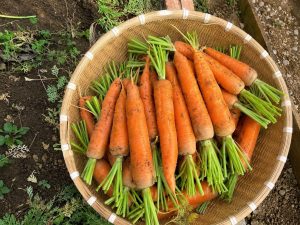
- Remove the tops if storing the carrots
You don’t necessarily have to harvest the entire crop at once. I often prefer harvesting carrots as needed when the garden conditions allow it.
How to Store Fresh Carrots
Fresh carrots store surprisingly well when they are handled correctly.
The first thing I do after harvesting is remove the green tops. The foliage continues to pull moisture from the root, which can cause the carrots to lose their crispness.
If I plan to store them, I usually brush off excess soil instead of washing them immediately. Washing can add unnecessary moisture during storage.
For short-term storage, the refrigerator is the easiest option. Keep the carrots in a suitable container or bag that helps prevent excessive moisture loss.
For longer storage, carrots need a cool, dark, humid environment with appropriate airflow.
Always separate soft, damaged, or diseased carrots from healthy ones. One damaged carrot can deteriorate faster and affect the quality of the rest.
How to Use and Cook Carrots
One reason I enjoy growing carrots is that almost every harvest can be used in the kitchen. You don’t need complicated recipes to make them taste good.
Eat Them Fresh
Young, tender carrots are excellent raw. Wash them well, trim the ends, and slice them into sticks or rounds.
They can be added to salads or served alongside other fresh vegetables.
Roast Carrots
Roasting is one of the simplest ways to bring out the natural sweetness of carrots.
Cut the carrots into similar-sized pieces, add a little cooking oil and your preferred seasonings, and roast until tender.

Steam Carrots
Steaming is a quick option when you want a simple vegetable side dish. The carrots become tender without requiring much preparation.
Add Carrots to Soups and Stews
Carrots are excellent in soups, stews, and broths. They add mild sweetness and work well with onions, garlic, herbs, beans, meat, and other vegetables.
Use Carrot Tops
Fresh carrot tops are edible when properly cleaned. They can be used in small amounts in sauces, salads, or pesto-style preparations.
I don’t usually treat the tops as the main ingredient, but they are a useful way to get more from the harvest.

Carrot Nutrition and Benefits
Carrots are not only useful in the garden; they are also a nutritious vegetable that fits easily into everyday meals.
They are naturally low in calories and provide dietary fiber, vitamins, minerals, and plant compounds.
Beta-Carotene
Carrots are especially well known for beta-carotene, the natural pigment responsible for much of the orange color in common varieties.
The body can convert beta-carotene into vitamin A, which is an essential nutrient involved in normal vision and immune function.
Fiber and Other Nutrients
Carrots also provide dietary fiber and nutrients such as vitamin K1, vitamin B6, and potassium.
Their nutritional value makes them an easy vegetable to include regularly in salads, soups, roasted dishes, and other meals.
Different Colored Carrots
If you have space, I recommend trying more than one carrot variety.
Purple carrots can contain anthocyanins, while yellow and red varieties contain other natural pigments. Growing different colors is a simple way to make a vegetable garden more interesting.
Conclusion
Growing good carrots is less about complicated techniques and more about getting a few important things right. From my experience, loose soil, consistent moisture, proper thinning, and regular weed control make the biggest difference. Give the roots room to grow, avoid letting the soil swing between extremely dry and wet, and be patient with the harvest. Once you get those basics right, carrots can become one of the most dependable vegetables in a home garden.
FAQs About Growing Carrots
How long does it take to grow carrots?
Most carrot varieties take about 50 to 80 days to mature. However, I recommend using the expected maturity date as a guide rather than a strict deadline. Weather and growing conditions can change the timing.
Do carrots need full sun?
Carrots generally grow best with about 6 to 8 hours of sunlight each day. They can tolerate some shade, but I prefer a sunny location for stronger growth.
How often should I water carrots?
Water often enough to keep the soil consistently moist, especially during germination and root development. Avoid letting the soil become completely dry and then soaking it heavily.
Why are my carrots growing crooked?
Compacted or rocky soil is one of the most common reasons. Carrot roots need loose soil so they can grow downward without hitting obstacles.
Should I thin carrot seedlings?
Yes. Thinning gives each carrot enough room to develop. Leaving seedlings crowded is a common reason for small or poorly shaped roots.
Can I grow carrots in containers?
Yes. Carrots can grow well in deep containers with good drainage. Short-rooted or round varieties are particularly convenient for container gardening.
Should I remove carrot tops before storing them?
Yes. Remove the green tops before storage because they continue to draw moisture from the roots. Keeping the roots separate helps them stay crisp longer.
Can I leave carrots in the ground after they are mature?
In many growing conditions, carrots can remain in the ground for a while after reaching a usable size. However, weather, soil conditions, pests, and the specific variety should be considered before leaving them for an extended period.