Lentils are small edible legumes that are easy to recognize by their flat, round seeds and compact growth habit. They are an important food crop in many parts of the world and are becoming increasingly popular among home gardeners who want to grow nutritious, plant-based foods.
Learning how to grow lentils does not require a large garden. The plants can grow in a sunny location with well-drained soil and moderate moisture. With the right planting time and basic care, you can harvest mature seeds at the end of the growing season.
Once harvested, lentils are also easy to store and cook. They can be used in soups, salads, curries, stews, and many other simple meals.

What Are Lentils?
Lentils are the edible seeds of the lentil plant, Lens culinaris, a cool-season legume related to chickpeas, peas, and beans. The plants are compact and produce small flowers followed by short pods, with each pod typically containing one or two seeds. They are mainly grown for their mature seeds, which come in several colors and varieties and are widely used in soups, salads, curries, and other dishes.
Common types include:
- Green lentils
- Brown lentils
- Red lentils
- Yellow lentils
- Black lentils
- French green lentils

How to Grow Lentils
Learning how to grow lentils starts with choosing the right location and planting at the correct time.
Lentils prefer cool growing conditions and generally perform best when they mature before the hottest part of summer.
Choose a Sunny Location
Lentils grow best in full sun.
Choose a location that receives around 6 to 8 hours of direct sunlight each day. Good sunlight supports healthy growth and helps the plants produce flowers and pods.
Avoid areas where large trees, buildings, or taller vegetables create heavy shade.
Good air circulation is also helpful because dense, humid conditions can encourage plant diseases.
Prepare the Soil
Lentils grow well in loose, well-drained soil. They do not perform well in areas where water remains around the roots for long periods.
Before planting, remove weeds and loosen the soil. Adding a moderate amount of compost can improve soil structure and provide organic matter.
Good growing conditions include:
- Well-drained soil
- Moderate fertility
- Good air circulation
- Plenty of sunlight
- Soil with a slightly acidic to neutral pH
Avoid excessive nitrogen fertilizer. Like other legumes, lentils can form relationships with beneficial soil bacteria that help provide nitrogen.
When to Plant Lentils
Lentils are generally considered a cool-season crop.
In many parts of the United States, they can be planted in early spring, as soon as the soil can be worked. In areas with mild winters, some varieties may also be planted in fall.
The ideal planting time depends on your USDA hardiness zone, local temperatures, and the variety you choose.
The goal is to give the plants enough time to grow, flower, and produce mature pods before extreme summer heat arrives.
Plant Lentil Seeds
Lentils are best planted directly in the garden because they do not always respond well to transplanting.
Prepare shallow rows in the soil and sow the seeds directly into the ground. Cover them with a thin layer of soil and water gently.
Keep the soil evenly moist while the seeds germinate, but avoid keeping it saturated.
Under suitable conditions, lentil seeds can begin emerging within about one to two weeks.
Once the seedlings appear, thin crowded plants if necessary to improve airflow and give them enough room to develop.
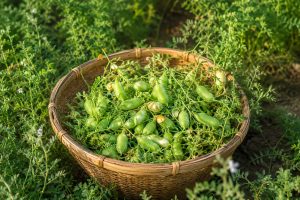
Lentil Plant Care
Lentil plants are relatively low-maintenance once established. Their main needs are sunlight, moderate moisture, weed control, and good airflow.
Watering Lentils
Lentils need regular moisture during germination, early growth, flowering, and pod formation.
Water when the top layer of soil begins to dry. Instead of watering lightly every day, provide enough moisture to reach the root zone and then allow the surface to dry slightly.
During hot or dry periods, check the soil more frequently.
As the pods mature and the plants begin to turn yellow, gradually reduce watering. Mature plants need drier conditions as they approach harvest.
Control Weeds
Young lentil plants can struggle with weeds, especially during the first few weeks after germination.
Remove weeds carefully before they become established. Mulching around plants can also help reduce competition for water and nutrients.
Avoid deep cultivation because lentils have relatively delicate roots.
Fertilizing Lentils
Lentils generally do not require heavy feeding.
Too much nitrogen can encourage excessive leaf growth instead of supporting good pod production. A soil test can help determine whether additional nutrients are actually needed.
Using well-prepared soil and compost before planting is often sufficient for a home garden.
How Long Do Lentils Take to Grow?
Most lentil varieties require approximately 80 to 110 days to reach maturity, although the exact growing period depends on the variety and growing conditions.
Several factors can influence how quickly lentils mature:
- Variety
- Temperature
- Planting date
- Sunlight
- Soil quality
- Water availability
- Plant health
Cool temperatures during the early growing season can support steady development, while excessive heat may shorten the growing period or reduce production.
Watch the plants closely as they approach maturity rather than relying only on the number of days listed on the seed packet.
When to Harvest Lentils
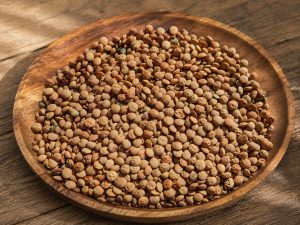
Lentils are generally ready to harvest when the plants begin to dry and the pods turn brown or yellow.
In many U.S. growing regions, harvest takes place from late spring through summer, depending on when the crop was planted and the local climate.
Signs Lentils Are Ready to Harvest
Look for these signs:
- Leaves begin turning yellow or brown.
- Lower leaves start drying.
- Most pods have changed from green to tan or brown.
- The seeds inside the pods are firm and fully developed.
- The plants begin drying naturally.
Do not harvest too early because immature seeds may not have developed their full size.
At the same time, waiting too long can cause dry pods to split and release seeds onto the soil.
How to Harvest Lentils
For a small home garden, you can pull or cut the mature plants and place them in a dry location.
Allow the plants to dry completely before removing the seeds from the pods.
Once the plants are dry, separate the pods from the stems and gently remove the seeds.
Sort through the harvested lentils and remove pieces of plant material, damaged seeds, or small stones.
How to Dry and Store Lentils
Proper drying is important if you want to store your harvest for an extended period.
After harvesting, spread the seeds in a clean, dry location with good airflow. Make sure they are completely dry before placing them into storage containers.
Store dried lentils in:
- An airtight container
- A cool location
- A dry pantry
- A dark area away from direct sunlight
Keep moisture away from stored lentils because it can reduce quality and encourage spoilage.
Label the container with the harvest date so you can use older lentils first.
How to Cook Lentils
One of the best things about lentils is that they are simple to prepare. Unlike many dried beans, most lentils do not require overnight soaking.
Before cooking, sort through the lentils and remove any small stones or damaged seeds. Rinse them thoroughly under cool running water.
Basic Method for Cooking Lentils
Place the lentils in a pot and add enough water to cover them generously.
Bring the water to a boil, then reduce the heat and allow the lentils to simmer gently.
Cooking times vary by type:
- Brown lentils: about 20 to 30 minutes
- Green lentils: about 25 to 35 minutes
- Red lentils: about 15 to 20 minutes
- Black lentils: about 20 to 30 minutes
Check the package instructions or taste the lentils near the end of cooking because age and variety can affect cooking time.
The finished lentils should be tender but not excessively mushy, except when preparing varieties such as red lentils for soups or curries.
Easy Ways to Use Cooked Lentils

Cooked lentils can be added to many different meals.
Lentil Soup
Lentil soup is one of the simplest ways to use a fresh harvest. Combine cooked lentils with vegetables, broth, herbs, and seasonings.
Carrots, onions, celery, tomatoes, and garlic all pair well with lentils.
Lentil Salad
For a quick salad, combine cooked and cooled lentils with fresh vegetables, herbs, and a simple dressing.
Green or black lentils work particularly well because they maintain their shape after cooking.
Lentil Curry
Lentils are commonly used in curries and dals. Red lentils are especially useful because they soften quickly and create a creamy texture.
Add spices, vegetables, and coconut milk or tomatoes for a flavorful meal.
Lentil Grain Bowls
Cooked lentils can also be combined with rice, quinoa, roasted vegetables, leafy greens, and a simple dressing.
This makes an easy meal that can be customized with different vegetables and seasonings.
Lentil Nutrition
Lentils are a nutrient-rich food that provides plant-based protein, dietary fiber, and several vitamins and minerals.
The exact nutritional content varies by variety and preparation method.
| Nutrient | Amount per 100 g Cooked |
|---|---|
| Calories | About 116 kcal |
| Protein | About 9.0 g |
| Total Fat | About 0.4 g |
| Carbohydrates | About 20.1 g |
| Dietary Fiber | About 7.9 g |
| Folate | About 181 mcg |
| Iron | About 3.3 mg |
| Magnesium | About 36 mg |
| Phosphorus | About 180 mg |
| Potassium | About 369 mg |
| Zinc | About 1.3 mg |
Because they provide both protein and fiber, lentils can be a filling addition to a balanced diet.
Common Lentil Growing Problems
Lentils are generally easy to grow, but several problems can affect the plants.
Poor Drainage
Waterlogged soil can damage roots and increase the risk of disease. Always choose a location with good drainage.
Fungal Problems
Wet foliage, poor airflow, and overcrowded plants can create conditions that favor fungal diseases.
Give plants enough space and avoid excessive watering.
Aphids
Aphids can feed on young shoots and leaves. Check plants regularly, especially during periods of active growth.
Encouraging beneficial insects can help keep aphid populations under control.
Excessive Heat
Lentils prefer cool growing conditions. Very hot weather during flowering and pod development can reduce plant performance.
Planting at the appropriate time can help the crop mature before the hottest part of the season.
Conclusion
Lentils are a rewarding cool-season crop for home gardeners who want to grow a nutritious and versatile legume. They can be planted directly in well-drained soil, cared for with moderate watering, and harvested when the plants and pods begin to dry.
With the right variety and planting time, a small garden can produce a useful harvest for soups, salads, curries, grain bowls, and many other meals. Once properly dried, the seeds can also be stored for later use and cooked without complicated preparation.
Frequently Asked Questions About Lentils
Can you grow lentils at home?
Yes. Lentils can be grown in a home garden as long as they receive plenty of sunlight and are planted in well-drained soil.
How long do lentils take to grow?
Most varieties take approximately 80 to 110 days to mature, depending on the variety and growing conditions.
Do lentils need full sun?
Yes. Lentils grow best in a location with around 6 to 8 hours of direct sunlight per day.
When should lentils be harvested?
Harvest when the plants begin turning yellow or brown and most pods have become dry. The seeds should be firm and fully developed.
Do lentils need to be soaked before cooking?
Most dried lentils do not require overnight soaking. Rinse them thoroughly and cook them in water until tender.
What is the best way to cook lentils?
Simmer rinsed lentils in water until tender. Cooking time depends on the variety, with red lentils generally cooking faster than green or brown lentils.
Can you eat lentils straight from the garden?
Fresh lentil seeds are not typically eaten like fresh green beans. They are generally allowed to mature and dry before being harvested for cooking.