Chickpeas are a popular legume grown and enjoyed around the world. Also known as garbanzo beans, they are commonly used in hummus, salads, soups, curries, and roasted snacks. Their compact growth habit and relatively simple care make chickpeas an interesting crop for home gardeners.
Learning how to grow chickpeas starts with choosing the right location, preparing well-drained soil, and planting at the right time. With proper care, a healthy chickpea plant can produce green pods for fresh eating or mature seeds for drying and storage.
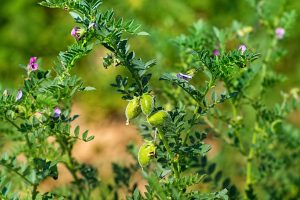
What Are Chickpeas?
Chickpeas are the edible seeds of the chickpea plant, scientifically known as Cicer arietinum. They belong to the legume family, along with beans, peas, and lentils.
The plants are generally small and bushy, with rounded leaves, small flowers, and short pods. Each pod usually contains one or two seeds.
Chickpeas can be harvested and used in different ways:
- Fresh chickpeas can be harvested while the seeds are green and tender.
- Dried chickpeas are allowed to mature fully on the plant.
- Canned chickpeas are cooked and preserved for convenient use.
- Roasted chickpeas can be seasoned and baked for a crunchy snack.
The names chickpeas and garbanzo beans refer to the same plant and edible seed.
Types of Chickpeas
There are two main types of chickpeas: Kabuli and Desi.
Kabuli Chickpeas
Kabuli chickpeas are larger, rounder, and usually cream-colored. They have a smooth appearance and are commonly sold in grocery stores in the United States.
They are popular for hummus, salads, soups, and other recipes where whole chickpeas are used.

Desi Chickpeas
Desi chickpeas are smaller and often darker than Kabuli types. Their seeds may have a yellow, brown, or darker outer coating.
Desi varieties are especially common in South Asian cooking and can also be grown by home gardeners when the variety is suitable for the local climate.
For home growing, choose a variety that matches your growing season and local conditions.
How to Grow Chickpeas
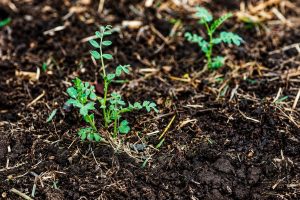
Learning how to grow chickpeas is relatively straightforward when the plants receive enough sunlight and are grown in well-drained soil.
Chickpeas prefer cool to moderate growing conditions and can struggle in excessive heat or constantly wet soil.
Choose a Sunny Location
Chickpeas grow best in full sun.
Choose a location that receives at least 6 to 8 hours of direct sunlight each day. Good sunlight supports healthy foliage, flowering, and pod development.
Avoid planting chickpeas in areas shaded by buildings, fences, or tall plants for much of the day.
Good air circulation is also helpful because it allows foliage to dry more quickly after rain or watering.
Prepare the Soil
A chickpea plant grows best in loose, fertile, well-drained soil.
Before planting, loosen the soil and remove weeds, large stones, and old plant debris. Adding compost can improve soil structure and provide organic matter.
Good soil conditions include:
- Well-drained soil
- Moderate fertility
- Good air circulation
- Plenty of organic matter
- A soil pH around 6.0 to 7.0
Avoid using excessive nitrogen fertilizer. Like other legumes, chickpeas can work with beneficial soil bacteria to obtain nitrogen.
Plant Chickpea Seeds
Chickpeas are best planted directly in the garden rather than started indoors because their roots can be sensitive to transplanting.
Prepare the soil and create shallow planting rows. Sow the chickpea seeds directly into the soil, spacing them according to the instructions on the seed packet. Cover the seeds with soil and water gently.
Keep the soil evenly moist but not waterlogged while the seeds germinate. Avoid overwatering, as chickpeas grow best in well-drained soil.
Under suitable conditions, chickpea seeds can begin sprouting within several days to a couple of weeks.
Water Chickpeas Properly
Chickpeas need regular moisture during establishment and flowering, but they do not tolerate constantly wet soil.
Water when the upper layer of soil begins to dry. Apply enough water to reach the root zone rather than giving the plants frequent, shallow watering.
During hot or dry weather, check the soil more often.
As the pods mature and the plant begins to dry naturally, reduce unnecessary watering.
Provide Proper Spacing
Good spacing helps improve airflow and makes it easier to inspect and harvest the plants.
Avoid overcrowding chickpeas because dense growth can trap moisture around the foliage.
Follow the spacing recommendations for your specific variety to give each plant enough room to grow.
Chickpea Plant Care

Once established, chickpeas usually require relatively simple maintenance.
The main tasks are controlling weeds, managing soil moisture, and watching for pests or disease.
Control Weeds
Young chickpea plants can compete poorly with aggressive weeds.
Remove weeds carefully around the plants, particularly during the early stages of growth. Mulching around the plants can also help conserve moisture and reduce weed growth.
Be careful when cultivating around chickpeas because their roots can be damaged by deep digging.
Avoid Overwatering
Proper watering is one of the most important parts of chickpea growing.
Chickpeas can tolerate relatively dry conditions once established, but excessive moisture can contribute to root problems and fungal diseases.
Instead of watering according to a fixed daily schedule, check the soil and adjust your watering based on rainfall, temperature, and plant growth.
Maintain Good Airflow
Keep weeds and surrounding vegetation under control to improve air circulation.
Good airflow helps foliage dry more quickly and can reduce conditions that favor some fungal diseases.
How Long Do Chickpeas Take to Grow?
The growing time for chickpeas depends on the variety, temperature, planting date, and growing conditions.
Many varieties take approximately 90 to 120 days to reach maturity, although some may require more time.
Several factors can influence how quickly chickpeas develop:
- Variety
- Temperature
- Sunlight
- Soil quality
- Water availability
- Plant health
- Planting date
If you want fresh green chickpeas, they can be harvested before the seeds fully mature. For dried chickpeas, the pods need to remain on the plant until they become dry.
When to Harvest Chickpeas
Chickpeas are usually harvested in late summer to early fall in the United States, depending on the planting date, variety, and local climate. In many areas, gardeners can expect to harvest chickpeas from July through September.
Fresh chickpeas are harvested earlier, while dried chickpeas stay on the plant longer so the pods and seeds can fully mature.
Harvesting Fresh Chickpeas
Fresh chickpeas are generally ready for harvest about 90 to 100 days after planting, although the exact timing varies by variety and growing conditions.
In many parts of the United States, this means harvesting fresh chickpeas from July to August when planted in spring.
Look for pods that are:
- Green and fully developed
- Firm but not dry
- Filled with plump, green seeds
Open a pod to check the seeds before harvesting. They should be tender and have a fresh, green appearance.
Pick the pods regularly once they reach the desired size. Fresh chickpeas are best used soon after harvest.
Harvesting Dried Chickpeas
Dried chickpeas usually take longer to mature and are commonly harvested from August through September in many U.S. growing regions.
Allow the plants to remain in the garden until the leaves turn yellow or brown and most of the pods become dry and firm.
The seeds inside the pods should feel hard rather than soft.
Harvest dried chickpeas when most of the pods are completely dry, but do not wait too long if the pods begin opening and dropping seeds.
After harvesting, remove the pods and allow the chickpeas to dry completely in a clean, dry location before storing them.
Tip: Harvest timing can be earlier or later depending on your USDA growing zone, planting date, and local weather. Always use the appearance of the pods and seeds as the main indicator of maturity.
Common Chickpea Pests and Problems
Chickpeas can experience several common garden problems, especially when growing conditions are poor.
Aphids
Aphids are small insects that feed on plant sap. Large populations can weaken the plant and affect new growth.
Check the undersides of leaves and young stems regularly. Encouraging beneficial insects can help maintain a natural balance in the garden.
Fungal Diseases
Wet conditions and poor airflow can increase the risk of fungal problems.
To help prevent disease:
- Avoid excessive watering.
- Provide adequate plant spacing.
- Grow chickpeas in well-drained soil.
- Water near the base of the plant when possible.
- Remove severely damaged plant material.
Yellow Leaves
Yellow leaves can occur for several reasons, including natural maturity, excessive moisture, nutrient problems, or disease.
If the plant is close to harvest, yellowing may simply be part of its normal life cycle.
If young plants develop yellow leaves too early, check the soil moisture and drainage first.
How to Store Chickpeas
Fresh and dried chickpeas require different storage methods.
Fresh chickpeas should be refrigerated and used while the pods and seeds are still fresh and firm.
Dried chickpeas should be completely dry before long-term storage. Place them in an airtight container and keep them in a cool, dry, dark location.
Proper storage helps protect dried chickpeas from moisture and insects.
Labeling containers with the harvest date can also help you use older chickpeas first.
How to Use Chickpeas
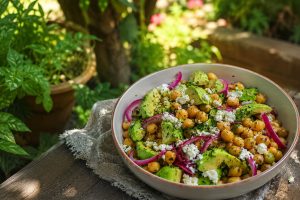
Chickpeas are one of the most versatile legumes in the kitchen.
They have a mild, slightly nutty flavor and work well in many different dishes.
Popular ways to use chickpeas include:
- Hummus
- Chickpea salads
- Soups
- Stews
- Curries
- Grain bowls
- Roasted chickpeas
- Vegetable wraps
- Pasta dishes
- Mashed chickpea sandwiches
Fresh chickpeas can be cooked and added to salads, vegetable dishes, and other meals.
Dried chickpeas usually need to be soaked and cooked before eating. Canned chickpeas are more convenient because they are already cooked and can be drained, rinsed, and added directly to recipes.
Chickpeas Nutrition and Benefits
Chickpeas provide plant-based protein, dietary fiber, and several important vitamins and minerals. The following values are approximate for 100 grams of cooked chickpeas.
| Nutrient | Amount per 100 g |
|---|---|
| Calories | 164 kcal |
| Protein | 8.9 g |
| Total Fat | 2.6 g |
| Carbohydrates | 27.4 g |
| Dietary Fiber | 7.6 g |
| Sugars | 4.8 g |
| Folate | 172 mcg |
| Iron | 2.9 mg |
| Magnesium | 48 mg |
| Phosphorus | 168 mg |
| Potassium | 291 mg |
| Zinc | 1.5 mg |
Health Benefits of Chickpeas
The combination of protein and fiber makes chickpeas a filling food that can be included in a balanced diet. Their fiber content supports digestive health, while nutrients such as folate, iron, magnesium, and potassium contribute to normal body functions.
Conclusion
Chickpeas are a useful and interesting crop for a home garden. With full sun, well-drained soil, proper spacing, and careful watering, a healthy chickpea plant can produce fresh green pods or mature seeds for drying and storage.
Whether you are interested in chickpea growing for the first time or want to add another legume to your garden, understanding planting, plant care, and harvest timing can help you get better results. With the right variety and growing conditions, chickpeas can be a rewarding addition to a home vegetable garden.
Frequently Asked Questions About Chickpeas
Are chickpeas and garbanzo beans the same thing?
Yes. Chickpeas and garbanzo beans are two common names for the same legume, Cicer arietinum.
Can you grow chickpeas at home?
Yes. Chickpeas can be grown in a home garden when they receive full sun, well-drained soil, and suitable growing conditions.
Do chickpeas need full sun?
Yes. Chickpeas generally grow best with at least 6 to 8 hours of direct sunlight each day.
How long does it take to grow chickpeas?
Many chickpea varieties take around 90 to 120 days to mature, although the exact growing time depends on the variety and local conditions.
When should you harvest chickpeas?
Harvest fresh chickpeas when the pods are green and the seeds are plump. For dried chickpeas, wait until most of the pods have dried and the seeds are firm.
Can chickpeas grow in containers?
Yes. Chickpeas can be grown in containers as long as the container provides enough room for the roots and has good drainage. Place the container in a sunny location.
Do chickpeas need a lot of water?
No. Chickpeas need consistent moisture during establishment and flowering, but they do not grow well in constantly wet soil.