The Chinese Money Plant (Pilea peperomioides) has become one of the most popular indoor houseplants in recent years. Loved for its perfectly round, coin-shaped leaves and easy-care nature, this charming plant fits beautifully into almost any home or office.
Many people also believe the Chinese Money Plant symbolizes prosperity, good fortune, and positive energy, making it a thoughtful gift for housewarmings, birthdays, or new beginnings.
Whether you’re a beginner or an experienced plant enthusiast, this guide will show you everything you need to know about growing and caring for a healthy Chinese Money Plant.
1. What Is a Chinese Money Plant?
The Chinese Money Plant, scientifically known as Pilea peperomioides, is a flowering perennial belonging to the nettle family (Urticaceae). Despite its name, it isn’t closely related to the popular Money Tree (Pachira aquatica).
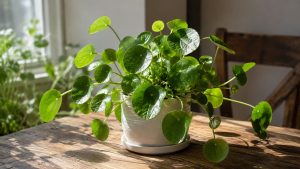
Its most recognizable feature is its bright green, circular leaves that grow on long stems, creating a modern and elegant appearance. Because the leaves resemble coins, many cultures associate the plant with wealth and financial success.
The Chinese Money Plant is also commonly called:
- Pancake Plant
- Coin Plant
- UFO Plant
- Missionary Plant
- Friendship Plant
Its compact size makes it perfect for apartments, desks, shelves, and small indoor spaces.
2. Origin and History
The Chinese Money Plant is native to the mountainous Yunnan Province of southwestern China.
In the 1940s, a Norwegian missionary named Agnar Espegren brought cuttings from China to Europe. Because the plant produces many small offsets, friends and neighbors easily shared it with one another, earning it the nickname “Friendship Plant.”
Today, it has become one of the world’s most recognizable houseplants thanks to social media and modern interior design trends.

3. Chinese Money Plant Meaning
Beyond its attractive appearance, the Chinese Money Plant carries positive symbolism.
Many people believe it represents:
- Wealth and financial prosperity
- Good luck
- Positive energy
- Growth and success
- Friendship and generosity
Although these meanings are based on tradition rather than science, many homeowners enjoy displaying the plant as part of their indoor décor.
4. Benefits of Growing a Chinese Money Plant
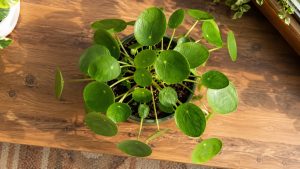
Adding a Chinese Money Plant to your home offers more than just visual appeal.
Easy to Grow
This plant requires very little maintenance, making it an excellent choice for beginners.
Beautiful Modern Appearance
Its symmetrical leaves complement Scandinavian, minimalist, and contemporary interiors.
Compact Size
Unlike large indoor trees, Chinese Money Plants stay relatively small, making them ideal for desks, windowsills, and bookshelves.
Easy to Propagate
One mature plant can produce multiple baby plants that can be shared with family and friends.
Long Lifespan
With proper care, a Chinese Money Plant can thrive for many years.
5. How to Grow a Chinese Money Plant
Growing a healthy Chinese Money Plant starts with providing the right environment.
Light
Bright, indirect sunlight is ideal.
Avoid placing the plant under intense afternoon sun, as direct sunlight may scorch the leaves. A window facing east or north usually works well.
Soil
Use a loose, well-draining potting mix.
A mix containing peat moss, coco coir, perlite, and compost helps prevent waterlogging while allowing healthy root growth.
Temperature
The ideal temperature ranges from 60–75°F (16–24°C).
Protect the plant from cold drafts and temperatures below 50°F (10°C).
Humidity
Average household humidity is generally sufficient, although the plant appreciates slightly higher humidity during dry winter months.
6. Chinese Money Plant Care Guide
Watering
Water only when the top inch of soil feels dry.
Overwatering is the most common reason Chinese Money Plants decline.
During winter, watering usually becomes less frequent.
Fertilizing
Feed the plant with a balanced liquid houseplant fertilizer once a month during spring and summer.
Reduce or stop fertilizing during fall and winter when growth naturally slows.
Repotting
Repot every two to three years or whenever roots begin filling the container.
Choose a pot with drainage holes to prevent root rot.
Rotating the Plant
Since the leaves naturally grow toward light, rotate the pot every week to encourage even growth.
7. How to Propagate Chinese Money Plant
One reason this plant is so popular is how easily it reproduces.
The mother plant produces small offsets, often called “pups,” around its base.
To propagate:
- Wait until the pup is about 2–3 inches tall.
- Carefully separate it with a clean knife.
- Keep several roots attached if possible.
- Plant it in fresh, moist potting mix.
- Place it in bright indirect light.
Within a few weeks, the new plant should begin producing fresh leaves.
8. Common Problems
Even though it’s easy to grow, the Chinese Money Plant may occasionally experience issues.
Yellow Leaves
Usually caused by overwatering or poor drainage.
Brown Leaf Edges
Often result from underwatering, low humidity, or excessive direct sunlight.
Drooping Leaves
May indicate inconsistent watering or insufficient light.
Curling Leaves
Can occur when temperatures fluctuate or the plant receives too much direct sunlight.
Root Rot
Typically caused by constantly wet soil. Allow the soil to dry slightly between waterings and always use a well-draining pot.
9. Is Chinese Money Plant Safe for Pets?
The good news is that Pilea peperomioides is considered non-toxic to both cats and dogs.
Although curious pets may nibble on the leaves, the plant is generally regarded as a pet-friendly houseplant. However, it’s still best to keep any houseplant out of reach to prevent damage to both the plant and your pets.
10. Frequently Asked Questions
How often should I water a Chinese Money Plant?
Usually every 7–10 days, depending on temperature, humidity, and light. Always check that the top inch of soil is dry before watering.
Does a Chinese Money Plant need direct sunlight?
No. It grows best in bright, indirect light. Too much direct sun can burn the leaves.
Why are my Chinese Money Plant leaves turning yellow?
Yellow leaves are most commonly caused by overwatering, poor drainage, or insufficient light.
How fast does a Chinese Money Plant grow?
Under ideal conditions, it grows steadily during spring and summer and can produce several new leaves each month.
Can I grow Chinese Money Plant outdoors?
Yes, but only in warm climates with mild temperatures. In most regions, it is best grown indoors.
11. Conclusion
The Chinese Money Plant is one of the easiest and most rewarding houseplants you can grow. Its attractive coin-shaped leaves, low-maintenance care requirements, and meaningful symbolism have made it a favorite among plant lovers around the world.
Whether you’re decorating a new apartment, looking for a lucky gift, or simply adding more greenery to your home, Pilea peperomioides is an excellent choice. With bright indirect light, moderate watering, and occasional feeding, your Chinese Money Plant will remain healthy, vibrant, and continue producing new baby plants for years to come.