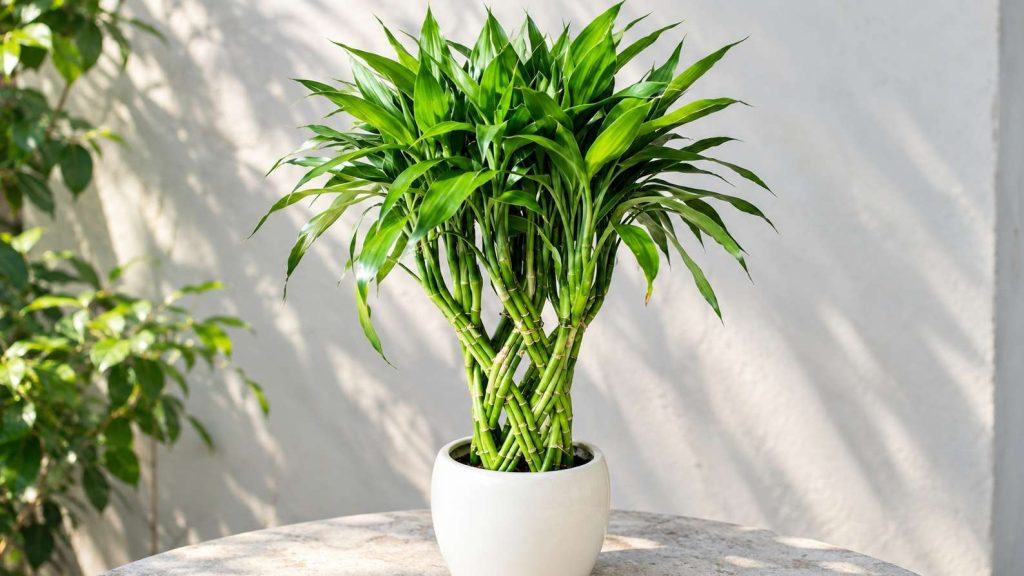
Money Tree is a popular indoor plant known for its attractive green leaves, braided trunk, and easy-care nature. Often associated with good luck, prosperity, and positive energy, the Money Tree has become a favorite houseplant in homes, offices, and apartments across the United States.
Whether you are a beginner or an experienced indoor gardener, learning how to grow and care for a Money Tree can help it stay healthy and beautiful. In this guide, discover its origins, growing requirements, watering needs, and essential care tips.
1. What Is a Money Tree?
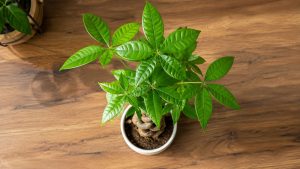
The Money Tree is the common name for Pachira aquatica, a tropical tree native to Central and South America. It belongs to the mallow family (Malvaceae) and naturally grows in wetlands, riverbanks, and swamps.
Although the tree can grow over 60 feet tall in its native habitat, indoor Money Trees usually reach only 3 to 6 feet, making them perfect for homes and offices.
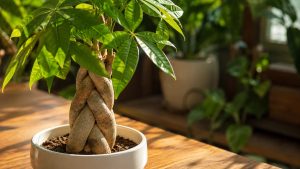
One of its most recognizable features is the braided trunk. Interestingly, this isn’t natural—young stems are carefully braided by growers while they’re still flexible, creating the iconic appearance seen in garden centers across the United States.
Its lush green leaves resemble an open hand with five leaflets, giving the plant an elegant tropical look throughout the year.
2. Origin of the Money Tree
The Money Tree originated in:
- Mexico
- Guatemala
- Belize
- Honduras
- Nicaragua
- Costa Rica
- Panama
- Northern South America
In the wild, Pachira aquatica grows near freshwater wetlands where the soil stays consistently moist.
Despite its American origins, the Money Tree became famous because of East Asian Feng Shui traditions. During the 1980s, Taiwanese growers popularized the braided trunk and began marketing the plant as a symbol of wealth and good fortune.
Today, millions of Money Trees are sold every year throughout North America, Europe, and Asia.
3. Money Tree Meaning and Symbolism

One reason for the Money Tree’s popularity is its rich symbolism.
Many people believe the plant attracts:
- Financial success
- Prosperity
- Good fortune
- Positive energy
- Career growth
- Business success
- Family harmony
According to Feng Shui beliefs, the five leaflets on each leaf represent the five natural elements:
- Wood
- Fire
- Earth
- Metal
- Water
Finding a Money Tree with seven leaves on one stem is considered especially lucky by many plant enthusiasts.
Because of these associations, Money Trees are common gifts for:
- Housewarming parties
- New businesses
- Office openings
- Graduations
- Weddings
- New jobs
Even people who don’t follow Feng Shui simply enjoy the cheerful appearance and easy care of this attractive houseplant.
4. Money Tree Characteristics
Here are the main characteristics of Pachira aquatica.
Scientific Name: Pachira aquatica
Common Names:
- Money Tree
- Guiana Chestnut
- Malabar Chestnut
- Saba Nut
Plant Type: Tropical evergreen tree
USDA Hardiness Zones: 10–12
Indoor Height: 3–6 feet
Outdoor Height: Up to 60 feet
Light: Bright, indirect sunlight
Water Needs: Moderate
Humidity: Medium to high
Growth Rate: Moderate to fast
Pet Safety: Considered non-toxic to cats and dogs according to the ASPCA.
5. Benefits of Growing a Money Tree
Besides its symbolism, the Money Tree offers many practical benefits.
Beautiful Indoor Decoration
Its glossy green foliage instantly adds life and warmth to almost any room.
Beginner-Friendly
Money Trees tolerate occasional neglect better than many tropical plants.
Long Lifespan
With proper care, a Money Tree can live for decades indoors.
Air Quality Support
Like many leafy houseplants, Money Trees contribute to a healthier indoor environment by participating in natural gas exchange and increasing humidity slightly around the plant. While houseplants alone won’t significantly purify indoor air, they can make indoor spaces feel fresher.
Excellent Gift Plant
Its reputation for bringing prosperity makes it one of the most popular gift plants in America.
6. How to Grow a Money Tree
Growing a healthy Money Tree begins with providing the right environment.
Choose the Right Pot
Select a container with drainage holes.
Never allow the roots to sit in standing water.
A decorative cachepot can be used, but always empty excess water after watering.
Use Well-Draining Soil
A quality indoor potting mix works well.
For better drainage, mix in:
- Perlite
- Coarse sand
- Orchid bark
The soil should remain slightly moist but never soggy.
Give It Space
Although compact, Money Trees appreciate room for airflow around the leaves.
Avoid placing the plant in crowded corners with poor ventilation.
7. Light Requirements
Money Trees love bright, indirect light.
An east-facing window is often ideal.
South- or west-facing windows work well if filtered with sheer curtains.
Too much direct afternoon sunlight may scorch the leaves.
Too little light causes:
- Slow growth
- Leggy stems
- Yellowing leaves
- Leaf drop
Rotate the pot every few weeks to encourage even growth.
8. Watering Guide
One of the biggest mistakes people make is overwatering.
Follow this simple routine:
- Check the top 2–3 inches of soil.
- Water thoroughly only when that layer feels dry.
- Let excess water drain completely.
- Never leave water sitting in the saucer.
General watering schedule:
Spring & Summer
About once every 1–2 weeks.
Fall & Winter
Every 2–3 weeks, depending on indoor conditions.
Always adjust based on temperature, humidity, and light rather than following a strict calendar.
9. Temperature and Humidity
Money Trees thrive in temperatures between:
65°F–80°F (18°C–27°C)
Avoid exposing the plant to:
- Cold drafts
- Air conditioners
- Heating vents
- Temperatures below 50°F
Humidity between 40–60% is ideal.
If your home is very dry:
- Use a humidifier.
- Place the pot on a pebble tray.
- Group plants together to increase local humidity.
10. Fertilizing
Feed your Money Tree during the growing season.
Use:
- Balanced liquid houseplant fertilizer
- Half-strength solution
- Once every 4–6 weeks
Stop fertilizing during winter when growth naturally slows.
11. Pruning and Maintenance
Regular pruning helps maintain a full, attractive shape.
Trim:
- Dead leaves
- Yellow leaves
- Weak stems
- Overgrown branches
Wipe dust from the leaves occasionally with a soft, damp cloth so they can photosynthesize more efficiently.
12. Repotting
Repot every 2–3 years or whenever roots begin circling the container.
Choose a new pot only 1–2 inches larger than the current one.
Repotting is best done in spring.
13. Common Problems
Yellow Leaves
Usually caused by:
- Overwatering
- Poor drainage
- Insufficient light
Brown Leaf Tips
Often result from:
- Dry indoor air
- Underwatering
- Salt buildup from fertilizer
Dropping Leaves
Possible causes include:
- Sudden temperature changes
- Drafts
- Overwatering
- Moving the plant frequently
Root Rot
Root rot develops when soil stays wet for too long.
Healthy roots should be white and firm.
Remove damaged roots and repot in fresh, well-draining soil if necessary.
14. Common Pests
Money Trees occasionally attract:
- Spider mites
- Mealybugs
- Scale insects
- Fungus gnats
Inspect leaves regularly.
Treat infestations with insecticidal soap or neem oil if needed.
15. How to Propagate a Money Tree
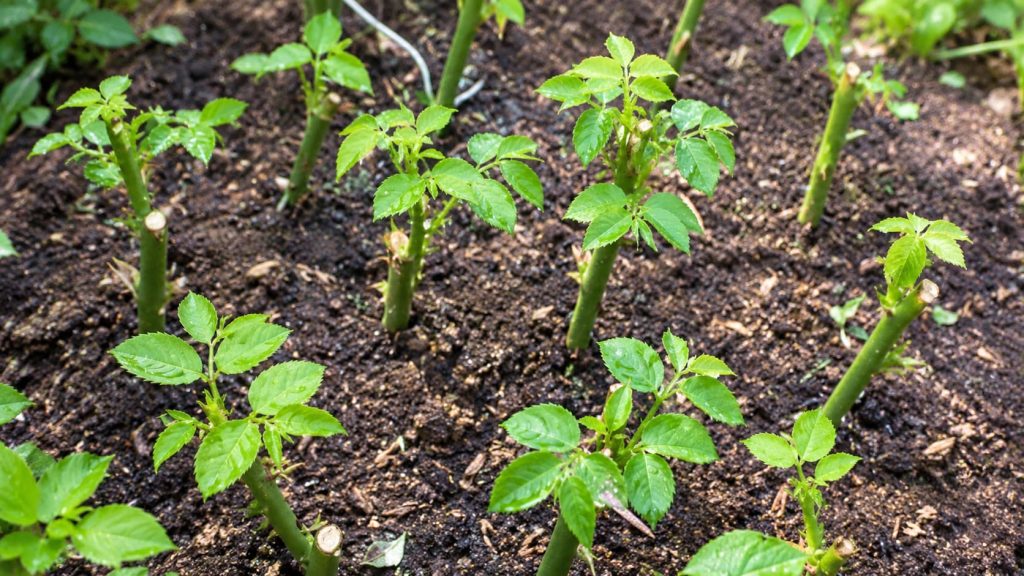
Money Trees are commonly propagated through stem cuttings.
Steps:
- Cut a healthy stem with at least one node.
- Remove lower leaves.
- Place the cutting in water or moist potting mix.
- Keep warm with bright indirect light.
- Roots typically develop within several weeks.
Once established, transplant into a permanent pot.
16. Is the Money Tree Safe for Pets?
According to the ASPCA, Pachira aquatica is considered non-toxic to both cats and dogs.
Even so, it’s best to discourage pets from chewing the leaves, as doing so may cause mild stomach upset.
17. Frequently Asked Questions
Why is my Money Tree losing leaves?
Leaf drop is commonly caused by overwatering, underwatering, sudden temperature changes, or insufficient light.
How often should I water a Money Tree?
Water only when the top few inches of soil feel dry. For most homes, this is about every 1–2 weeks during the growing season.
Can Money Trees live outdoors?
Yes, but only year-round in USDA Zones 10–12. In cooler climates, they’re best grown indoors or brought inside before temperatures drop.
Does a Money Tree really bring good luck?
There is no scientific evidence that it affects luck or finances. Its association with prosperity comes from Feng Shui traditions and cultural beliefs.
Why are the leaves turning yellow?
Yellow leaves often indicate overwatering, poor drainage, or low light. Check the soil moisture and adjust your care routine accordingly.
Should I mist my Money Tree?
Occasional misting can help in very dry homes, but maintaining overall humidity with a humidifier or pebble tray is generally more effective.
How fast does a Money Tree grow?
Under ideal indoor conditions, a Money Tree grows at a moderate rate and can add several inches of new growth each year.
18. Conclusion
The Money Tree (Pachira aquatica) is much more than a decorative houseplant. Its lush green foliage, easy-care nature, and long-standing reputation as a symbol of prosperity have made it one of the most beloved indoor plants in American homes. Whether you’re drawn to its elegant braided trunk, its tropical beauty, or the positive symbolism it represents, the Money Tree is a rewarding addition to almost any indoor space.
With bright indirect light, well-draining soil, moderate watering, and occasional feeding, your Money Tree can thrive for many years. Give it the right conditions, and you’ll enjoy a healthy, vibrant plant that brings a touch of nature—and perhaps a little extra good fortune—to your home.