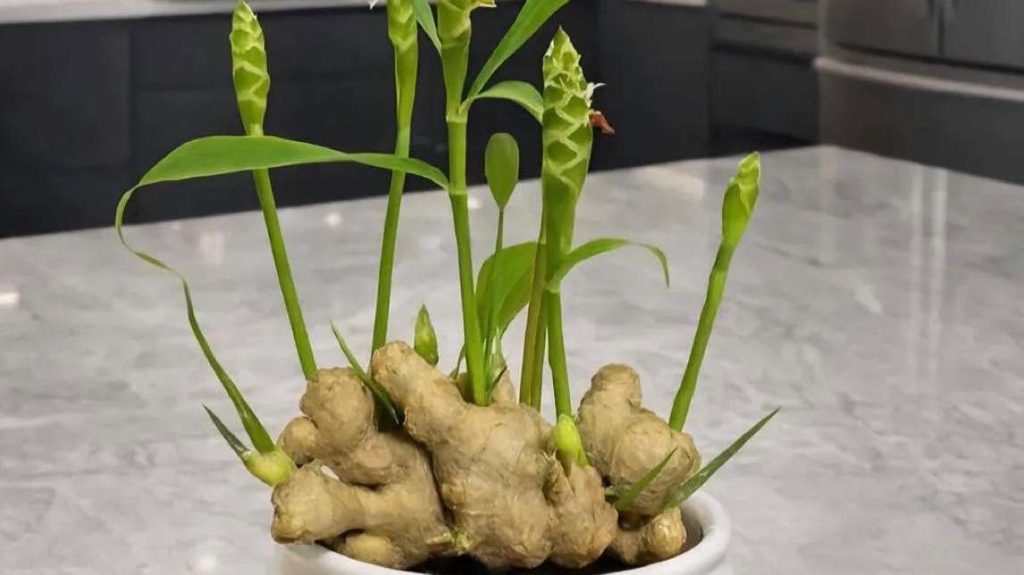
Turmeric is more than a popular kitchen spice. It is an important agricultural crop with a wide range of uses in food, beverages, cosmetics, traditional products, and the wellness industry. Because turmeric can be sold in several forms, including fresh rhizomes, dried turmeric, turmeric powder, extracts, and value-added products, it offers farmers and agricultural businesses several potential market opportunities.
For growers interested in turmeric farming, understanding the economic value of the crop is essential. Successful turmeric production is not only about growing healthy plants. Farmers also need to consider yield, quality, processing, storage, market demand, and access to reliable buyers.
1. Turmeric Has Strong Global Demand
Turmeric is widely consumed around the world as a culinary spice. It is a key ingredient in many traditional dishes, especially in South Asian and Southeast Asian cuisines.
The international market also includes turmeric used in food processing, spice blends, beverages, cosmetics, and nutritional products.
India is one of the world’s most important turmeric-producing and exporting countries. According to India’s Ministry of Commerce and Industry, the country exported 176,325 metric tons of turmeric in 2024–25, with export revenue reaching approximately $341.54 million through major ports. The United States, Bangladesh, the United Arab Emirates, Malaysia, and Morocco were among the major destinations for Indian turmeric exports.
These figures demonstrate the scale of the international turmeric trade and the importance of the crop in the global spice industry.
2. Multiple Markets Create More Opportunities
One of the main economic advantages of turmeric is that farmers are not limited to selling only fresh rhizomes.
Fresh turmeric can be sold directly to local consumers, restaurants, food businesses, and wholesalers. After harvesting, turmeric can also be cleaned, dried, and processed into different products.
Potential markets include:
- Fresh turmeric rhizomes
- Dried turmeric
- Turmeric powder
- Turmeric slices
- Turmeric tea products
- Spice blends
- Food ingredients
- Turmeric extracts
- Natural cosmetic ingredients
This variety gives farmers and processors more options when developing a business model.
Instead of selling all turmeric immediately after harvest, producers may be able to increase the value of their crop through appropriate processing, packaging, branding, and marketing.
3. Value-Added Turmeric Can Increase Revenue Potential
Selling raw agricultural products often provides lower margins than selling processed and packaged products.
For example, a farmer may sell freshly harvested turmeric to a wholesaler. Another business may purchase that turmeric, dry it, grind it into powder, package it, and sell it under a branded product.
Each stage adds value to the original crop.
Small-scale farmers may explore simple forms of value addition, such as cleaning, drying, and packaging. Larger agricultural businesses can consider more advanced processing and standardized products.
India’s government has also highlighted post-harvest quality improvement, processing, value addition, food safety, and market linkages as important areas for developing the turmeric sector.
4. Quality Is Important for Better Market Access
Not all turmeric has the same commercial value. Buyers may consider several factors when purchasing turmeric, including appearance, cleanliness, moisture content, aroma, variety, and chemical composition.
For some premium markets, curcumin content can be an important quality characteristic. This has encouraged interest in turmeric varieties that naturally contain higher levels of curcuminoids.
However, farmers should not focus on one quality characteristic alone. Consistent production, proper harvesting, careful drying, clean processing, and food safety are also important.
Quality control can help farmers build relationships with buyers and potentially access higher-value markets.
5. Turmeric Farming Can Support Rural Economies
Turmeric production can create economic activity beyond the farm itself.
The crop requires labor for planting, weeding, harvesting, cleaning, processing, drying, packaging, transportation, and marketing.
In regions where turmeric is widely cultivated, the industry can support farmers, agricultural workers, processors, traders, transport businesses, and local retailers.
Cooperatives and farmer groups can also help small producers improve their bargaining position. By working together, farmers may have greater opportunities to standardize quality, process larger quantities, develop a shared brand, and connect with larger buyers.
6. Export Markets Offer Long-Term Potential
The international turmeric market provides opportunities for producers who can meet quality and regulatory requirements.
India’s official export data shows that turmeric shipments have remained substantial in recent years. The country exported more than 176,000 metric tons in 2024–25, while export value increased to more than $341 million.
However, exporting agricultural products requires more than simply producing a large harvest. International buyers may require consistent quality, proper documentation, food safety compliance, testing, packaging standards, and reliable supply.
For smaller farmers, selling through cooperatives, processors, exporters, or established agricultural businesses may be more practical than attempting to enter international markets independently.
7. The Growing Interest in Curcumin Creates Opportunities
Turmeric contains naturally occurring curcuminoids, including curcumin, which have attracted attention from the food, wellness, cosmetic, and research industries.
The global curcumin market is also being studied as a growth area. One recent market analysis estimated the global curcumin market at about $101.67 million in 2025 and projected continued growth through 2034. Such forecasts vary by methodology and should not be treated as guaranteed outcomes, but they indicate continuing commercial interest in turmeric-derived ingredients.
This creates potential opportunities for producers who can supply high-quality raw materials to processors and specialized buyers.
8. Farmers Need to Manage Market Risks
Although turmeric has economic potential, farming is never risk-free.
Prices can change depending on production levels, weather conditions, demand, storage capacity, and international trade. Farmers may also face challenges related to disease, pests, labor costs, transportation, and post-harvest losses.
For this reason, it is important to research the local market before planting large areas of turmeric.
Farmers should consider questions such as:
- Who will buy the harvest?
- What quality standards do buyers require?
- Is there a local processing facility?
- How much does transportation cost?
- Can the crop be stored safely?
- Is there demand for fresh or dried turmeric?
- Would value-added processing be practical?
Having a clear market plan before planting can reduce some of the risks associated with agricultural production.
9. The Future of Turmeric Farming
The future of turmeric farming will likely depend on a combination of productivity, quality, processing, and market access.
Farmers who focus only on producing larger quantities may face competition from other producers. By contrast, businesses that develop consistent quality, traceable sourcing, efficient processing, and recognizable brands may have more opportunities to differentiate their products.
There is also potential for sustainable production practices and improved post-harvest technology to reduce waste and increase the value obtained from each harvest.
As consumer interest in spices, natural ingredients, and specialty food products continues to evolve, turmeric is likely to remain an important crop in both domestic and international markets.
Final Thoughts
Turmeric has significant economic value because it serves many different markets. Farmers can sell it fresh, dried, powdered, or as an ingredient for further processing.
The crop’s economic potential comes not only from growing turmeric but also from creating value throughout the supply chain. Better cultivation practices, careful harvesting, proper drying, quality control, processing, packaging, and direct market access can all influence profitability.
For farmers considering turmeric production, the most important step is to understand the market before investing heavily in cultivation. A reliable buyer, suitable variety, good-quality planting material, and an effective post-harvest plan can make a major difference.
With growing international trade and demand across food and ingredient industries, turmeric remains an interesting agricultural crop with opportunities for farmers and businesses willing to focus on quality and value addition.