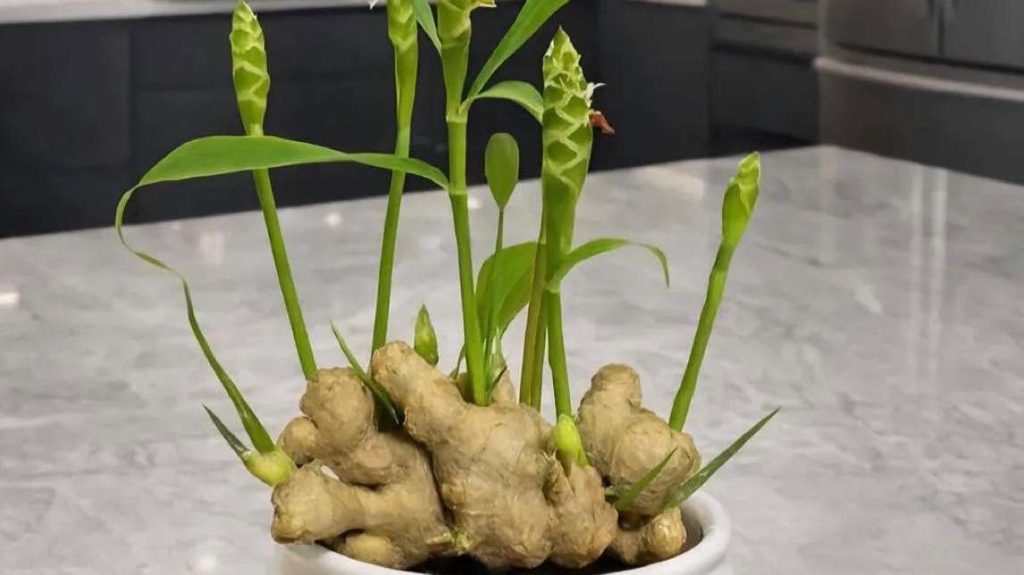
Making turmeric powder at home is a simple way to preserve fresh turmeric and create a useful ingredient for everyday cooking. Homemade turmeric powder can be used in curries, soups, rice dishes, smoothies, sauces, teas, and many other recipes.
The process is straightforward, but proper cleaning and drying are essential. Turmeric contains a lot of natural moisture when freshly harvested, so the rhizomes need to be dried thoroughly before grinding. Any remaining moisture can lead to mold or spoilage during storage.
If you have fresh turmeric from your garden or have purchased a large amount from a local market, making homemade turmeric powder is an excellent way to preserve it for months.
1. Choose Fresh Turmeric Rhizomes
Start with fresh, healthy turmeric rhizomes. Look for pieces that are firm, plump, and free from mold or soft spots.
Avoid using rhizomes that are damaged, rotten, or have an unpleasant smell. High-quality turmeric will produce better-tasting and more aromatic powder.
If you are using turmeric harvested from your garden, gently remove excess soil before preparing the rhizomes.
The amount of turmeric you need depends on how much powder you want to make. Remember that fresh turmeric loses a significant amount of weight as water is removed during drying.
2. Wash the Turmeric Thoroughly
Place the turmeric rhizomes under clean running water and rinse them thoroughly.
Use a soft vegetable brush to remove dirt from the surface and around small crevices.
Take your time with this step because soil can remain attached to the uneven surface of the rhizomes.
After washing, drain the turmeric and pat it dry with a clean kitchen towel.
3. Peel the Turmeric
Peeling turmeric is optional, but many people prefer to remove the outer skin before drying.
You can use a vegetable peeler or scrape the skin gently with the edge of a spoon.
If the turmeric is difficult to peel, you can leave the skin on as long as the rhizomes have been cleaned thoroughly. However, removing the outer layer can help create a cleaner final product.
Be careful when handling turmeric because the bright yellow-orange color can stain your hands and kitchen surfaces.
Wearing gloves can help prevent staining.
4. Slice the Turmeric Thinly
After cleaning and peeling, cut the turmeric into thin, even slices.
Thin slices are important because they dry faster and more evenly than thick pieces.
You can use a sharp kitchen knife or a food slicer. Try to keep the slices approximately the same thickness so that they finish drying at around the same time.
Avoid making the slices too thick, as moisture may remain trapped inside.
5. Dry the Turmeric
Drying is the most important step when making homemade turmeric powder.
There are several methods you can use.
Sun Drying
Place the turmeric slices on a clean drying tray or rack in direct sunlight.
Spread the slices in a single layer and avoid overlapping them.
Depending on the weather and humidity, sun drying may take several days. Turn the slices occasionally to help them dry evenly.
Protect the turmeric from dust, insects, and moisture. Bring it indoors if rain or high humidity is expected.
Oven Drying
If you want a faster method, you can use an oven.
Arrange the turmeric slices in a single layer on a baking tray. Use a low temperature and allow the turmeric to dry slowly.
Keep the oven temperature low enough to prevent the turmeric from burning. Check the slices regularly and turn them if necessary.
The exact drying time will depend on the thickness of the slices and the moisture content of the turmeric.
Food Dehydrator
A food dehydrator is another excellent option.
Arrange the slices on the dehydrator trays without overlapping them. Follow the manufacturer’s instructions for drying herbs and roots.
The turmeric is ready when the slices are completely dry and brittle.
6. Check That the Turmeric Is Completely Dry
Before grinding, make sure the turmeric slices are fully dried.
They should be hard and brittle rather than soft or flexible. If the pieces still bend easily, they probably contain too much moisture and need more drying.
This step is important because moisture can cause homemade turmeric powder to develop mold or spoil during storage.
Allow the dried slices to cool completely before grinding.
7. Grind the Dried Turmeric
Once the turmeric is completely dry, place the pieces into a clean spice grinder, coffee grinder, or high-powered blender.
Grind the dried turmeric until it becomes a fine powder.
You may need to work in small batches, especially if you are making a large amount.
For the best texture, grind the turmeric for several seconds, stop, and shake the container before continuing.
Be careful when opening the grinder because fine turmeric powder can become airborne and stain nearby surfaces.
8. Sift the Powder
After grinding, you can sift the powder through a fine mesh strainer.
This removes larger pieces and creates a smoother, more consistent texture.
Return any larger pieces to the grinder and process them again.
Sifting is optional, but it can make your homemade powder easier to use in cooking and drinks.
9. Store Homemade Turmeric Powder
Once your homemade turmeric powder is completely dry and ground, transfer it to a clean, dry, airtight container.
A glass jar with a tight-fitting lid works well.
Store the powder in a cool, dry, dark location away from direct sunlight, heat, and moisture.
Always use a clean, completely dry spoon when taking powder from the container. Introducing moisture into the jar can reduce its shelf life.
Label the container with the date you made the powder so you can keep track of its freshness.
10. How to Use Homemade Turmeric Powder
Homemade turmeric powder can be used in many everyday recipes.
Try adding it to:
- Curry dishes
- Vegetable soups
- Golden rice
- Smoothies
- Warm turmeric drinks
- Salad dressings
- Stir-fries
- Marinades
- Homemade sauces
Start with a small amount when using your homemade powder and adjust the quantity according to your preferred flavor.
Because homemade powder may have a different intensity from commercial products, experimenting with small amounts is the easiest way to find the right balance.
Final Thoughts
Making turmeric powder at home is a practical way to preserve fresh turmeric and reduce waste. The process involves washing and optionally peeling the rhizomes, slicing them thinly, drying them completely, and grinding them into a fine powder.
The most important step is ensuring that the turmeric is thoroughly dried before grinding and storing. Properly dried turmeric should be hard and brittle, with no remaining moisture inside.
Once prepared, homemade turmeric powder can be stored in an airtight container and used in a wide variety of recipes. Whether you grow your own turmeric or purchase fresh rhizomes, making your own powder can be a rewarding and useful kitchen project.
With a little patience, you can turn fresh turmeric into a long-lasting homemade ingredient that adds golden color and earthy flavor to your favorite meals and drinks.