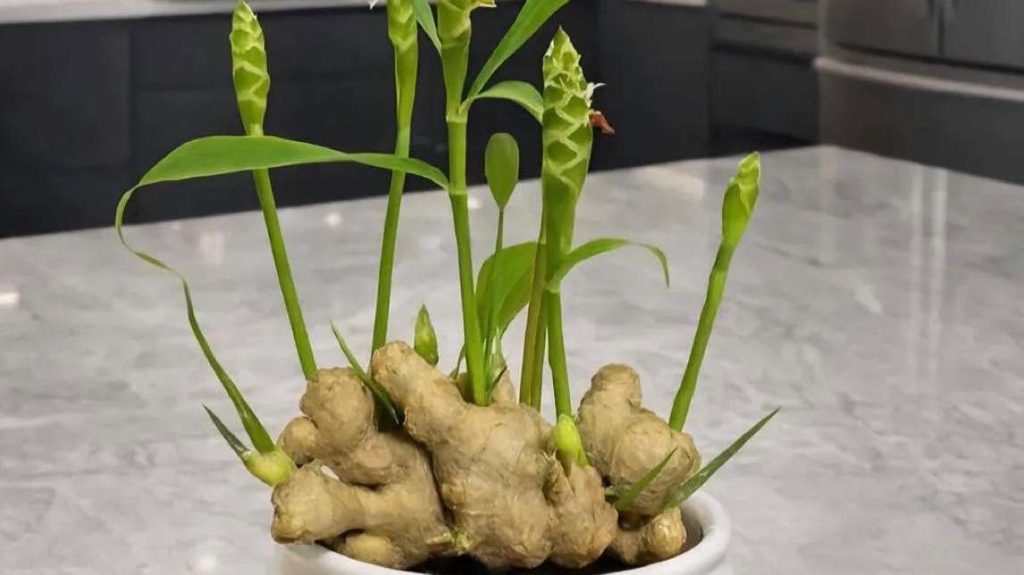
Turmeric is an important tropical crop grown for its underground rhizomes, which are used fresh, dried, and processed into powder and other products. For farmers, achieving a good harvest requires more than simply planting turmeric and waiting for the plants to grow.
Successful production depends on selecting healthy planting material, preparing the soil, managing water and nutrients, controlling weeds and pests, and harvesting at the right time. Good farming practices can help produce larger, healthier rhizomes while improving the quality of the final crop.
Whether turmeric is grown on a small farm or as a larger commercial crop, careful planning throughout the growing season can make a significant difference.
1. Choose Healthy Planting Rhizomes
The first step in successful turmeric cultivation is choosing high-quality planting material.
Farmers generally select mature, healthy turmeric rhizomes that are free from disease, rot, and physical damage. The rhizomes should have healthy buds capable of producing strong shoots.
Planting material should come from reliable sources whenever possible. Using unhealthy or infected rhizomes can introduce problems into the field and reduce the quality of the harvest.
Larger, healthy rhizome pieces with good buds can provide strong early growth and help establish a uniform crop.
2. Prepare the Soil Properly
Turmeric grows best in loose, fertile soil with good drainage. The soil should retain enough moisture for healthy growth but should not remain waterlogged.
Before planting, farmers can loosen the soil and remove large stones, weeds, and plant debris.
Adding well-decomposed organic matter or compost can help improve soil structure and fertility.
Good drainage is especially important because excess water around the rhizomes can encourage rot and other problems.
In larger production areas, farmers may use raised beds or ridges to improve drainage and create favorable growing conditions.
3. Plant at the Right Time
Turmeric is a warm-season crop that grows best when temperatures are consistently warm.
The planting season depends on the local climate and rainfall pattern. In many tropical and subtropical regions, turmeric is planted at the beginning of the rainy season when soil moisture is suitable for establishing new plants.
Farmers should avoid planting in cold conditions because low temperatures can slow sprouting and early plant development.
Choosing the right planting date helps give turmeric enough time to complete its long growing cycle before unfavorable weather arrives.
4. Use Appropriate Plant Spacing
Good spacing allows turmeric plants to receive sufficient nutrients, water, and sunlight while giving the rhizomes enough room to develop underground.
If plants are placed too close together, competition for resources can increase and air circulation may be reduced.
Farmers should follow spacing recommendations appropriate for their variety, soil conditions, and production system.
Uniform planting also makes field management easier. It can help farmers perform weeding, irrigation, fertilization, and harvesting more efficiently.
5. Manage Water Carefully
Turmeric needs consistent moisture during active growth, especially during the early stages of development.
In areas with regular rainfall, natural precipitation may provide much of the water needed by the crop. During dry periods, irrigation may be necessary.
The goal is to keep the soil adequately moist without creating waterlogged conditions.
Overwatering can cause problems with root and rhizome health, while prolonged drought can slow plant growth and reduce yield.
Farmers should monitor soil moisture and adjust irrigation according to rainfall, temperature, soil type, and plant growth.
6. Control Weeds Early
Weeds compete with turmeric plants for water, nutrients, light, and growing space.
Weed management is particularly important during the early stages of crop development, when young turmeric plants may not yet have enough foliage to compete effectively.
Farmers can control weeds through hand weeding, mechanical cultivation, mulching, or other appropriate methods.
Organic mulch can also help reduce weed growth while conserving soil moisture.
Keeping the field relatively weed-free during critical growth periods can help turmeric plants develop stronger foliage and rhizomes.
7. Provide Balanced Nutrition
Turmeric requires adequate nutrients for healthy leaf and rhizome development.
Before applying fertilizer, farmers should consider soil fertility and, where possible, use soil testing to identify nutrient requirements.
Organic matter can help improve soil quality, while appropriate fertilizers may provide additional nutrients during the growing season.
Avoid applying excessive amounts of fertilizer. The goal is to provide balanced nutrition that supports healthy plant growth and rhizome development.
Fertilizer recommendations should be adjusted according to local soil conditions, variety, climate, and production goals.
8. Monitor Pests and Diseases
Turmeric can be affected by various pests and diseases, particularly when growing conditions are unfavorable.
Farmers should regularly inspect plants for unusual leaf damage, discoloration, wilting, or signs of infection.
Good field sanitation, healthy planting material, proper drainage, and appropriate spacing can help reduce some production problems.
If a pest or disease problem is identified, farmers should use suitable management methods according to local agricultural recommendations.
Early detection is important because addressing problems quickly can help prevent them from spreading throughout the field.
9. Use Mulching for Better Soil Management
Mulching can be a useful technique in turmeric production.
Organic materials such as straw, dried leaves, or other suitable plant material can be placed around the plants.
Mulch can help conserve soil moisture, reduce weed growth, protect the soil surface, and gradually contribute organic matter as it decomposes.
However, mulch should be managed carefully. Excessively wet or poorly maintained organic material may create conditions that encourage pests or disease.
10. Harvest at the Right Time
Turmeric requires a long growing season before the rhizomes reach maturity.
Depending on the variety and growing conditions, the crop may take several months to mature.
One of the clearest signs that turmeric is ready for harvest is the natural yellowing and drying of the leaves. As the plant enters dormancy, the underground rhizomes have generally reached a suitable stage for harvesting.
Farmers can carefully dig up the rhizomes using suitable tools or harvesting equipment, depending on the scale of production.
Care should be taken to minimize physical damage because damaged rhizomes may have a shorter storage life and lower market value.
11. Handle the Harvest Carefully
Post-harvest handling can have a major impact on the quality and value of turmeric.
After harvesting, the rhizomes should be cleaned to remove excess soil. Depending on the intended market, they may be sold fresh or processed through boiling, drying, slicing, or grinding.
For dried turmeric and powder production, proper drying is essential. The rhizomes must be dried sufficiently to reduce moisture and prevent spoilage during storage.
Clean processing areas and suitable storage conditions can help maintain product quality.
Final Thoughts
Growing turmeric successfully on a farm requires careful management from planting to harvest. Farmers can improve the potential for a better crop by starting with healthy rhizomes, preparing fertile and well-drained soil, planting at the appropriate time, and maintaining consistent moisture.
Weed control, balanced nutrition, pest monitoring, and good field sanitation are also important parts of production.
Finally, harvesting at the right stage and handling the rhizomes carefully can help preserve quality and improve their market value.
With good planning and appropriate farming practices, turmeric can be a productive crop for both small-scale growers and commercial farmers. The combination of healthy planting material, proper field management, and careful post-harvest handling is the foundation for producing high-quality turmeric and achieving a better harvest.