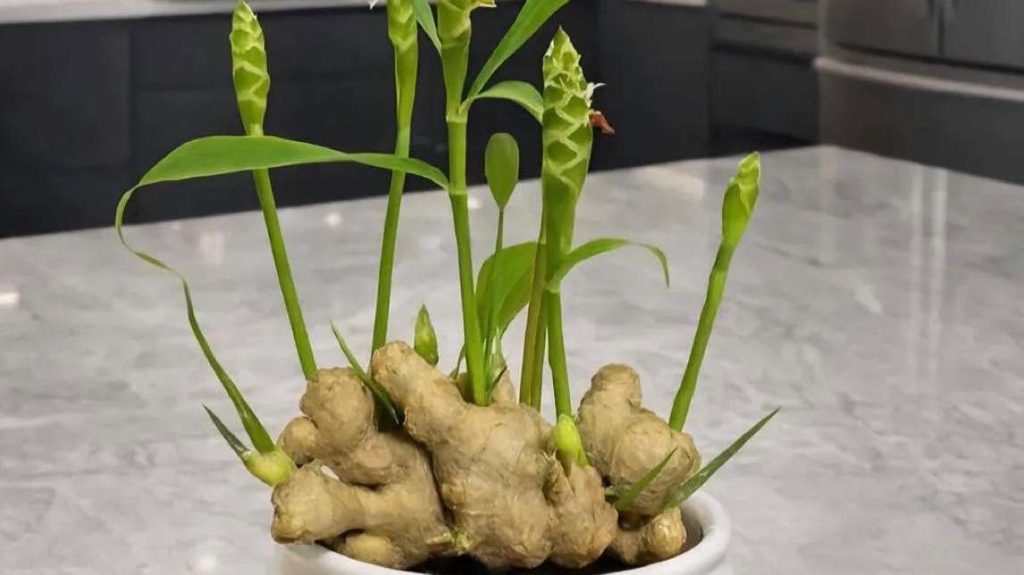
Although turmeric is relatively easy to grow in suitable climates, it does not perform well in cold temperatures, poorly drained soil, or extremely dry conditions. Understanding the ideal soil, moisture, sunlight, temperature, and humidity requirements can help gardeners create better conditions for a successful harvest.
If you are learning about turmeric growing conditions, focus on four main factors: fertile soil, consistent moisture, warm temperatures, and adequate sunlight.
1. The Best Soil for Turmeric
Turmeric grows best in loose, fertile soil that allows the underground rhizomes to expand easily.
The ideal soil should be rich in organic matter and have good drainage. A mixture of garden soil, compost, and other organic materials can create a favorable growing environment.
Heavy clay soil can make it difficult for rhizomes to develop properly. It may also hold too much water, increasing the risk of root and rhizome problems.
If your garden has heavy soil, consider improving its structure by adding well-decomposed compost or organic matter. Growing turmeric in raised beds can also improve drainage.
Sandy soil can provide good drainage but may dry out quickly. Adding organic matter can help sandy soil retain moisture while still allowing excess water to drain away.
2. Soil pH Requirements
Turmeric generally prefers slightly acidic to neutral soil.
A soil pH around 5.5 to 7.0 is commonly considered suitable for turmeric growth.
If you are growing turmeric on a larger scale, a soil test can help you understand the current pH and nutrient levels of your soil.
Avoid making major soil amendments without first understanding what your soil needs. A balanced growing environment is more important than simply adding large amounts of fertilizer or other materials.
Healthy soil with good structure, adequate organic matter, and proper drainage can provide a strong foundation for turmeric plants.
3. How Much Sunlight Does Turmeric Need?
Turmeric grows best with plenty of bright light but can benefit from some protection from intense afternoon sunlight.
In tropical climates, turmeric naturally grows in warm environments where it may receive filtered sunlight beneath taller vegetation.
For home gardeners, a location with several hours of sunlight and some afternoon shade can work well, particularly in very hot regions.
If turmeric is grown in containers, the plants can be moved to a location with more suitable light if necessary.
Too little light can result in weak, slow-growing plants, while extremely intense heat combined with direct afternoon sun may cause stress.
The ideal balance is bright light with some protection from excessive heat.
4. The Right Temperature for Turmeric
Turmeric is a warm-season tropical plant and does not tolerate frost.
It grows best when temperatures remain consistently warm throughout the growing season. Cold soil can delay sprouting, while freezing temperatures can seriously damage or kill the plant.
In cooler climates, gardeners can grow turmeric in containers and move them indoors or into a protected location when temperatures begin to fall.
Turmeric has a long growing season, so it is important to provide warmth for as long as possible.
If you live in an area with cold winters, consider planting turmeric after the danger of frost has passed.
5. Humidity and Moisture
Turmeric naturally grows in regions with relatively high humidity and regular rainfall.
Consistent moisture is important, especially while the plant is actively growing. However, moist soil does not mean constantly waterlogged soil.
The soil should remain evenly moist but should also allow excess water to drain away.
During hot and dry periods, turmeric may need regular irrigation. Check the soil regularly and water when the upper layer begins to dry.
In containers, turmeric may require more frequent watering because pots can dry out faster than garden beds.
6. How Often Should You Water Turmeric?
There is no single watering schedule that works for every garden.
Watering needs depend on temperature, rainfall, soil type, container size, and plant growth.
During periods of active growth, water deeply enough to moisten the soil around the rhizomes. Allow excess water to drain away before watering again.
Avoid allowing the soil to become completely dry for long periods, especially during hot weather.
At the same time, avoid keeping the soil constantly saturated. Poor drainage can cause serious problems for underground rhizomes.
A layer of organic mulch around the plants can help reduce moisture loss and keep soil conditions more stable.
7. Good Air Circulation Is Important
Although turmeric enjoys humidity, good air circulation is still important.
Planting turmeric too closely together can reduce airflow around the leaves and create a damp environment that may encourage fungal problems.
Give plants enough space to grow and avoid excessive watering of the foliage.
If growing turmeric in containers, avoid placing pots in a crowded area where air cannot circulate freely.
A balance of humidity and airflow can help create healthier growing conditions.
8. Growing Turmeric in Containers
Turmeric can grow successfully in containers, making it a good option for gardeners who live outside tropical climates.
Choose a wide container with drainage holes because turmeric rhizomes grow horizontally underground.
The container should be large enough to allow the rhizomes to expand. Use a loose, fertile potting mix that drains well while retaining some moisture.
Place the container in a warm location with bright light and protection from extreme cold.
Container-grown turmeric may require more frequent watering and feeding than plants grown directly in the ground.
9. Protect Turmeric From Extreme Weather
Turmeric prefers stable growing conditions and can be affected by extreme weather.
During very hot weather, afternoon shade can help protect plants from excessive heat.
During heavy rain, good drainage becomes especially important. If the soil remains saturated for long periods, the rhizomes may become vulnerable to rot.
When temperatures begin to fall, gardeners in colder climates should consider moving container plants to a protected area.
Keeping the plants warm for as long as possible allows the rhizomes more time to mature.
10. Preparing the Best Growing Environment
Before planting turmeric, take time to prepare the growing area.
Choose a warm location with bright light and good drainage. Improve poor soil with suitable organic matter and remove weeds that may compete for nutrients and water.
If possible, test the soil before planting to identify any major nutrient or pH issues.
Once planted, maintain consistent moisture without overwatering. Monitor the plants regularly and respond quickly to signs of stress.
The better the growing environment, the greater the chance of producing healthy foliage and well-developed rhizomes.
Final Thoughts
The best conditions for growing turmeric include fertile, loose, well-drained soil, consistent moisture, warm temperatures, and plenty of bright light.
Turmeric prefers slightly acidic to neutral soil and performs best when protected from frost and extreme cold. While the plant enjoys humidity and regular moisture, good drainage is essential to prevent problems with the underground rhizomes.
For gardeners in cooler climates, growing turmeric in containers can make it easier to control temperature and protect plants during winter.
By providing the right combination of soil, water, light, warmth, and humidity, you can create an environment where turmeric grows strongly throughout the season and produces a healthy harvest of flavorful rhizomes.