Raised garden beds are a practical way to grow vegetables, herbs, flowers, and other plants in a controlled growing environment. They are especially useful when your yard has poor soil, heavy clay, drainage problems, or limited space. Instead of planting directly into the ground, you can create a dedicated growing area filled with quality soil and compost.
A well-designed raised bed can make gardening easier, improve soil conditions, and help you organize your plants more efficiently. Whether you are building a small herb garden or a productive vegetable garden, understanding the right size, location, soil, and maintenance methods will help you get better results.
What Are Raised Garden Beds?
Raised garden beds are planting areas where soil is elevated above the surrounding ground. Most are enclosed by frames made from wood, metal, stone, or brick, although some gardeners simply create raised mounds of soil without a frame.
The main advantage is control. You can choose the soil mixture, improve drainage, organize your planting space, and create growing conditions that may be better than the natural soil in your yard.
Raised beds come in many sizes. A small bed can provide enough space for herbs and leafy greens, while larger beds can accommodate tomatoes, peppers, cucumbers, carrots, beans, and other vegetables.
They can also be built at different heights. Shallow beds work well for many herbs and greens, while deeper beds provide more room for root vegetables. Taller beds can make planting and harvesting more comfortable because they reduce the need to bend over.
For most beginners, a simple rectangular design is a good starting point. It is easy to build, easy to access, and simple to divide into different planting areas.
Benefits of Raised Garden Beds
The biggest benefit of raised garden beds is better control over the growing environment.
Better soil quality: You can fill the bed with a soil mixture suited to your plants instead of relying on poor, rocky, or compacted ground.
Improved drainage: Raised soil often drains better than heavy ground soil, helping prevent excess moisture around plant roots.
Less soil compaction: Since you can walk around the bed instead of stepping into it, the growing soil stays loose and easier for roots to penetrate.
Easier maintenance: Defined beds make it simpler to organize plants, manage pathways, remove weeds, and plan crop rotation.
Efficient use of space: Raised beds work well in small backyards and can be combined with trellises to grow climbing plants vertically.
Earlier planting: Raised soil can warm up faster in spring than surrounding ground, which may allow you to start some crops earlier, depending on your climate.
Better accessibility: Taller beds can reduce bending and kneeling, making gardening more comfortable.
These advantages make raised beds especially useful for gardeners who want a more organized and manageable growing space.
How to Choose the Best Location
The right location can determine how well your raised garden performs.
Start with sunlight. Most vegetables need several hours of direct sunlight each day. Tomatoes, peppers, cucumbers, beans, and squash generally need plenty of light to grow and produce well.
Watch the area throughout the day before building your bed. Trees, fences, and buildings can create shadows that change as the sun moves.
Water access is also important. Choose a location close enough to a garden hose or irrigation system. Raised beds may need regular watering during hot or dry weather, so carrying water long distances can quickly become inconvenient.
Look for good air circulation. Avoid areas where plants will be enclosed by walls or dense structures with little airflow.
The location should also be easy to reach. You will need to water, weed, inspect, prune, and harvest regularly. A garden close to your home is usually easier to maintain than one hidden in a distant corner of the yard.
Avoid areas where large tree roots may compete with your plants or where rainwater naturally collects.
Choosing the Right Size and Materials
The size of your raised bed should allow you to reach every plant comfortably.
A width of about 4 feet works well when you can access both sides. This lets most gardeners reach the center without stepping into the bed.
For a bed against a wall or fence, keep it narrower because you can only reach it from one side.
The length is flexible. You can build a short bed for a small garden or create several longer beds for more growing space. However, larger beds require more soil and maintenance.
Height depends on what you grow. A bed around 6 to 12 inches deep can work for many shallow-rooted plants. Deeper beds are better for carrots, beets, and crops with larger root systems.
Wood is a popular material for DIY raised garden beds because it is easy to work with and has a natural appearance. Metal beds are durable and offer a modern look, while brick and stone can create permanent structures.
Choose materials based on your budget, climate, appearance, and desired lifespan. Always use materials that are appropriate for garden use.
What Soil Is Best for Raised Garden Beds?
Good soil is essential for productive raised garden beds.
A basic raised bed soil mix often combines quality topsoil, compost, and organic matter. Topsoil provides the main growing medium, while compost improves soil structure and adds nutrients.
Avoid filling a bed with heavy clay soil alone. It can become compacted and may drain poorly. At the same time, using only compost is generally not the best choice for most plants.
The goal is to create a growing medium that holds enough moisture for plant roots while allowing excess water to drain away.
Soil depth should match the plants you grow. Lettuce, spinach, and many herbs can grow in shallower beds. Carrots, beets, and other root crops need deeper, loose soil.
Before planting, remove large rocks and debris. If possible, test your soil to understand its pH and nutrient levels.
You can improve raised bed soil over time by adding compost. Instead of replacing the entire soil mixture each year, add fresh organic matter to maintain fertility and improve soil structure.
How to Build Raised Garden Beds
Building a raised garden bed can be a simple DIY project.
First, select a sunny location and mark the dimensions. Make sure the ground is reasonably level so the frame sits securely.
If you are using wood, cut the boards to the desired length and connect the corners. The frame should be sturdy enough to hold the weight of the soil.
If the bed will sit over grass, remove the grass or cover the area with cardboard to suppress existing vegetation. The cardboard can gradually break down beneath the bed.
Once the frame is ready, add your soil mixture. Fill the bed gradually and spread the soil evenly.
Do not heavily compact the soil. Loose soil provides better conditions for roots and allows air and water to move through the growing medium.
Water the soil after filling the bed and allow it to settle. Add more soil if necessary.
For climbing crops such as cucumbers, peas, and beans, install a trellis before planting. Vertical supports save space and keep plants organized.
You can then divide the bed into rows or planting sections based on the crops you plan to grow.
What to Grow in Raised Garden Beds
Raised beds are suitable for many types of plants, making them a flexible choice for both vegetable gardens and ornamental spaces.
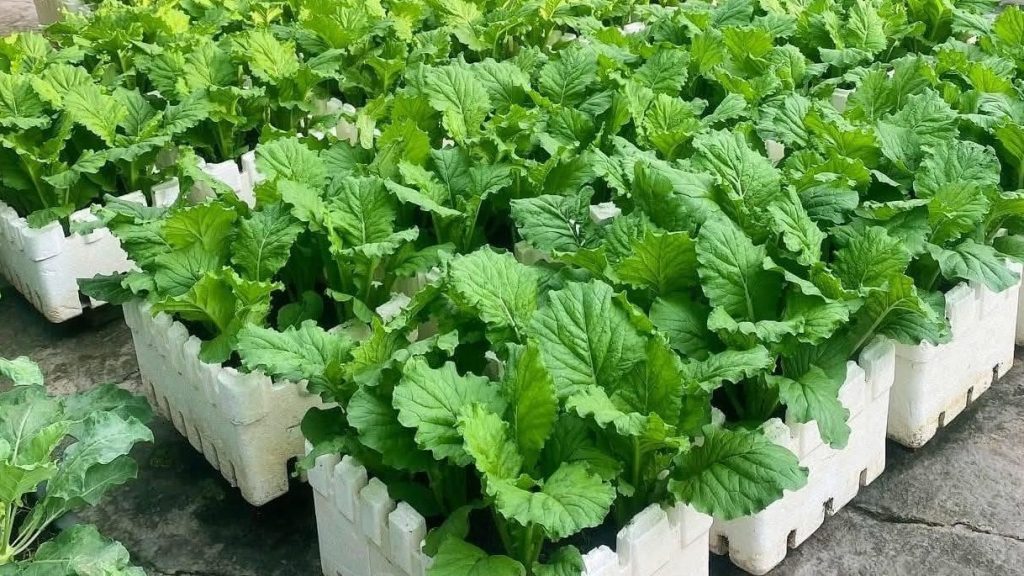
Leafy greens: Lettuce, spinach, kale, and Swiss chard are excellent for smaller beds and can often be harvested throughout the season.
Root vegetables: Carrots, radishes, beets, and onions grow well when the soil is loose, deep, and free of large rocks.
Warm-season vegetables: Tomatoes, peppers, cucumbers, eggplants, and beans are good choices for larger raised beds with plenty of sunlight.
Herbs: Basil, parsley, cilantro, oregano, thyme, rosemary, and chives can be grown together or alongside vegetables.
Flowers: Flowers can add color while attracting bees, butterflies, and other beneficial pollinators.
When planning a raised vegetable garden, consider mature plant size. Place taller plants where they will not shade shorter crops.
Use trellises for climbing plants to make better use of vertical space. Avoid overcrowding, as plants need enough room for sunlight, water, nutrients, and airflow.
How to Plant and Maintain Raised Garden Beds
Once your beds are ready, consistent care is essential.
Start by following the recommended spacing for each crop. Proper spacing reduces competition and improves airflow between plants.
Water according to the needs of your plants and local weather. Raised beds can dry out faster than in-ground gardens, particularly during hot periods.
Check the soil below the surface before watering. If it feels dry, water deeply enough to reach the root zone rather than giving plants a small amount of water every day.
A soaker hose or drip irrigation system can make watering easier, especially when you have several beds.
Mulch can help retain moisture and reduce weeds. Straw, shredded leaves, and other suitable organic materials can be placed around plants.
Remove weeds while they are small. This prevents them from competing with your crops for water and nutrients.
Add compost periodically to maintain soil quality. At the end of the growing season, remove diseased plants and clean up the beds.
Crop rotation is also useful. When possible, avoid planting the same plant family in the same bed every year.
Regularly inspect plants for signs of pests, disease, or nutrient problems. Addressing issues early is usually easier than waiting until they become severe.
Common Raised Garden Bed Mistakes to Avoid
Even simple raised garden beds can become difficult to manage if they are not planned properly.
Making beds too wide: If you cannot reach the center comfortably, you may step into the bed and compact the soil. Keep the width manageable.
Choosing the wrong location: Too little sunlight can limit plant growth. Observe the area before building.
Using poor-quality soil: Plants depend on their growing medium, so start with quality soil and compost.
Overwatering: Constantly wet soil can create root problems. Check the soil moisture before watering.
Overcrowding plants: Planting too closely can reduce airflow and increase competition. Follow recommended spacing.
Building too many beds: Start with one or two beds before expanding. A smaller garden that receives consistent care is better than a large garden that becomes overwhelming.
Forgetting pathways: Leave enough space between beds for walking, watering, harvesting, and moving gardening tools.
Final Thoughts
Raised garden beds offer a simple way to create a productive garden with better control over soil, drainage, plant spacing, and garden organization. They are suitable for vegetables, herbs, flowers, and many other plants.
The best approach is to start with a manageable bed in a sunny location, fill it with quality soil, and choose plants suited to your climate. With regular watering, proper spacing, compost, and basic maintenance, your raised bed can become a productive part of your garden throughout the growing season.
Frequently Asked Questions
What is the best depth for raised garden beds?
A depth of 6 to 12 inches works for many shallow-rooted plants. Deeper beds are better for root vegetables and larger crops.
What soil is best for raised garden beds?
A balanced mixture of quality topsoil, compost, and organic matter is a good starting point for most raised beds.
What vegetables grow best in raised garden beds?
Lettuce, spinach, kale, carrots, radishes, tomatoes, peppers, cucumbers, beans, and onions are popular choices.
Do raised garden beds need a bottom?
Not usually. Most raised beds can be placed directly on the ground, allowing plant roots to grow into the soil below. A bottom may be useful when placing a bed on concrete or another hard surface.
How often should you water raised garden beds?
Watering depends on your climate, soil, plants, and weather. Check the soil regularly and water when it begins to dry.