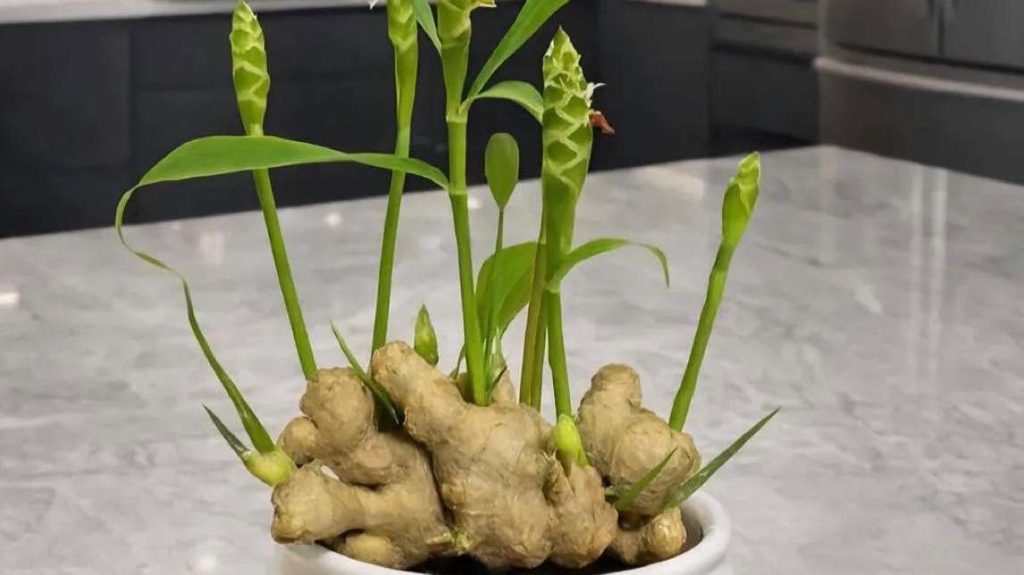
Healthy vegetables always begin with healthy soil. Even if you choose the best seeds and provide enough sunlight, plants will struggle if the soil lacks nutrients or drains poorly. Creating the best soil mix for healthy vegetable garden beds gives your vegetables the ideal environment to develop strong roots, absorb nutrients efficiently, and produce abundant harvests throughout the growing season.
Whether you’re starting a new garden or refreshing an existing one, understanding how to build the right soil mix can make a dramatic difference in your results.
Why Soil Quality Matters
Vegetables depend on soil for far more than support. Good garden soil provides:
- Essential nutrients for healthy growth
- Water retention without becoming waterlogged
- Excellent drainage to prevent root rot
- Air pockets that allow roots to breathe
- Beneficial microorganisms that improve soil fertility
Poor soil often leads to slow growth, yellow leaves, lower yields, and increased disease problems. Investing time in building quality soil is one of the smartest gardening decisions you can make.
The Ideal Soil Mix Formula
A balanced soil mix combines organic matter, minerals, and natural nutrients. A simple and effective formula is:
- 40% quality topsoil
- 40% compost
- 20% aeration materials
This combination provides the structure, fertility, and drainage that most vegetables need.
Topsoil
Choose screened topsoil that is free from rocks, weeds, and construction debris. Topsoil provides stability for plant roots while holding moisture and nutrients.
Avoid heavy clay soil whenever possible because it compacts easily and limits root growth.
Compost
Compost is the heart of every productive vegetable garden.
It supplies:
- Slow-release nutrients
- Beneficial bacteria
- Improved soil texture
- Better moisture retention
Use homemade compost if available or purchase high-quality organic compost from a reputable supplier.
Aeration Materials
Adding materials that improve airflow prevents compacted soil.
Popular options include:
- Coarse sand
- Perlite
- Pumice
- Rice hulls
- Pine bark fines
These ingredients create small air pockets that help roots expand freely.
Additional Organic Amendments
Depending on your soil and crops, you can improve your mix with natural amendments.
Aged Manure
Well-aged cow, horse, or chicken manure adds valuable nutrients and organic matter.
Never use fresh manure because it may burn plants and introduce harmful bacteria.
Worm Castings
Worm castings are one of the best natural fertilizers available.
Benefits include:
- Rich micronutrients
- Improved microbial activity
- Better root development
- Enhanced moisture retention
Even adding 5–10% worm castings can noticeably improve vegetable growth.
Coconut Coir
Coconut coir helps retain moisture while maintaining excellent drainage.
It is especially useful in hot climates where garden beds dry out quickly.
Peat Moss
Peat moss also improves water retention, although many gardeners prefer coconut coir because it is considered a more renewable option.
Soil pH for Vegetables
Most vegetables perform best in slightly acidic to neutral soil.
The ideal pH range is:
6.0 to 7.0
You can easily test soil using an inexpensive soil pH kit.
If needed:
- Add agricultural lime to raise pH.
- Add elemental sulfur to lower pH.
Maintaining the proper pH allows vegetables to absorb nutrients more effectively.
Feeding Your Soil Every Season
Even excellent soil becomes depleted after continuous planting.
Refresh your vegetable beds by adding:
- 2–3 inches of compost annually
- Organic slow-release fertilizer
- Leaf mold
- Shredded leaves
- Well-aged manure
This yearly maintenance keeps soil rich without requiring a complete replacement.
Gardeners using raised garden beds often find it much easier to refresh soil each season because the growing area is contained and easy to amend without disturbing surrounding ground.
Best Soil Mix for Popular Vegetables
Different vegetables have slightly different preferences, but this balanced mix works well for most edible crops.
Tomatoes
Tomatoes thrive in nutrient-rich soil with excellent drainage.
Add extra compost and calcium-rich amendments if blossom end rot has been a problem.
Peppers
Peppers prefer warm, loose soil with moderate fertility.
Avoid excessive nitrogen, which encourages leafy growth instead of fruit production.
Lettuce
Lettuce grows best in moisture-retentive soil rich in organic matter.
Frequent compost additions help produce tender leaves.
Carrots
Carrots need loose, stone-free soil.
Avoid heavy clay and large pieces of organic matter that can cause forked roots.
Cucumbers
Cucumbers appreciate fertile soil with consistent moisture.
Mulching helps preserve soil moisture during hot weather.
Common Soil Mistakes
Many gardeners unknowingly reduce their harvest by making simple soil mistakes.
Using Only Garden Dirt
Native soil alone often lacks enough organic matter for productive vegetable gardening.
Mixing in compost dramatically improves performance.
Overusing Fertilizer
Too much fertilizer can burn roots and produce lush foliage with fewer vegetables.
Follow recommended application rates and focus on building healthy soil instead of relying solely on fertilizers.
Ignoring Drainage
Standing water suffocates roots.
Always ensure excess water can drain away, especially after heavy rainfall.
Skipping Organic Matter
Organic matter feeds beneficial soil organisms that naturally improve nutrient availability.
Regular compost additions are one of the easiest ways to maintain healthy garden beds.
Mulching Completes the System
Healthy soil doesn’t stop below the surface.
Adding mulch helps:
- Reduce weeds
- Retain moisture
- Regulate soil temperature
- Prevent erosion
- Slowly add organic matter as it decomposes
Straw, shredded leaves, untreated grass clippings, and wood chips all make excellent mulch options around vegetables.
Final Thoughts
The best soil mix for healthy vegetable garden beds combines quality topsoil, nutrient-rich compost, and materials that improve drainage and aeration. Rather than relying on fertilizers alone, focus on building living soil that supports beneficial microbes, healthy roots, and long-term productivity.
With regular compost additions, proper pH, and seasonal maintenance, your garden can continue producing fresh vegetables year after year. If you’re planning a new growing space or upgrading an existing one, learning how to build productive raised garden beds is an excellent next step for creating healthier soil and enjoying bigger harvests with less effort.