Blueberry plants can produce fruit for many years when they are planted in the right location and given consistent care. However, blueberries have specific requirements that are different from many common garden plants.
The right soil acidity, sunlight, water, pruning, fertilization, and pollination all play a role in plant health and fruit production. Fortunately, once these basic needs are understood, caring for blueberry bushes becomes much easier.
This guide covers practical blueberry plant care tips to help your bushes grow strongly and produce better crops.
Choose the Right Location
Start by choosing a suitable planting location.
Blueberries generally perform best in a sunny position with good air circulation. A location that receives plenty of direct sunlight can support healthy leaves, flowering, and fruit development.
Avoid planting blueberries where large trees or buildings create heavy shade throughout the day.
Good drainage is also important. Blueberry roots need consistent moisture but do not tolerate waterlogged conditions well.
Plant in Acidic Soil
Soil acidity is one of the most important factors in growing blueberries.
Blueberries generally prefer a soil pH of about 4.5 to 5.5. If the soil is too alkaline, the plant may have difficulty taking up nutrients even when those nutrients are present.
Before planting, test the soil with a reliable soil test.
If the pH is too high, make appropriate amendments based on the test results rather than adding large quantities of products without knowing the existing soil conditions.
For gardeners without suitable native soil, growing blueberries in containers or raised beds with an acidic growing medium can be an alternative.
Provide Consistent Water
Blueberry bushes have relatively shallow root systems, so maintaining consistent soil moisture is important.
Young plants need particular attention while their roots become established.
Water deeply enough to moisten the root zone, but allow excess water to drain away.
During hot or dry weather, check the soil regularly. Do not wait until the plant begins showing obvious signs of drought stress.
At the same time, avoid keeping the roots constantly saturated.
Use Mulch Around the Plants
Mulching can make blueberry care easier.
A suitable organic mulch can help conserve soil moisture, moderate soil temperature, and reduce competition from weeds.
Apply mulch around the root zone while leaving a small gap around the base of the plant.
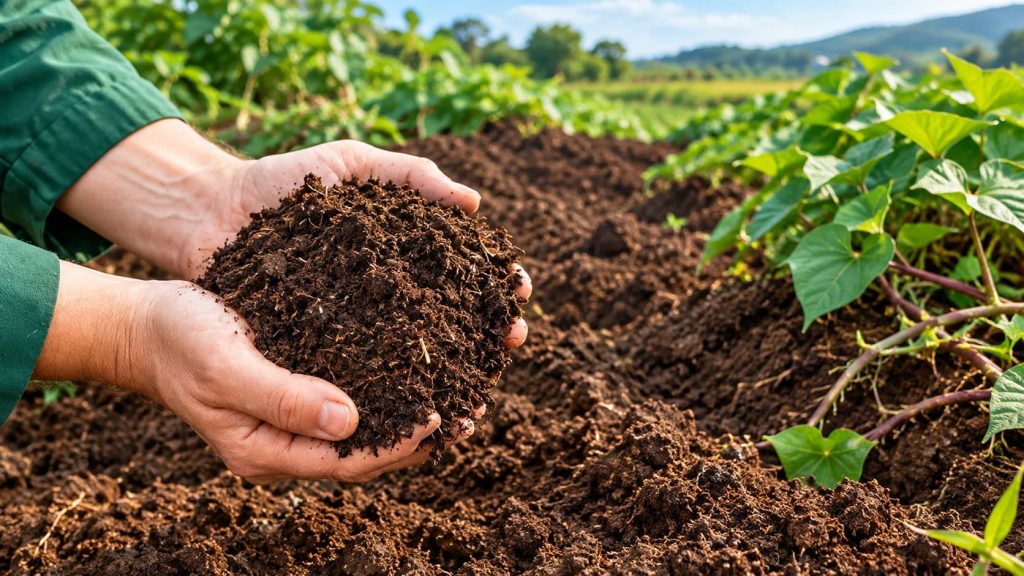
As the mulch decomposes, it can also contribute organic matter to the growing environment.
Check the mulch periodically and add more when the layer becomes thin.
Fertilize Carefully
Blueberries do not need excessive fertilizer.
Too much nitrogen can encourage vigorous leafy growth while reducing fruit production. It can also damage roots when applied excessively.
Use a fertilizer formulated for acid-loving plants and follow the label instructions.
The best fertilizer program depends on the soil, plant age, and growing conditions. A soil test can help determine whether nutrients are actually needed.
Avoid fertilizing simply because the plant is not producing as much fruit as expected. Poor fruiting can have many causes.
Prune Blueberry Bushes Properly
Pruning helps maintain a productive blueberry plant.
Remove dead, damaged, diseased, or weak branches. On mature bushes, selective pruning can also help open the center of the plant and improve sunlight and air movement.
Avoid removing large amounts of healthy wood without a clear reason. Blueberries produce fruit on particular types of growth, so aggressive pruning can reduce the following harvest.
The best pruning method depends on the blueberry type and age of the plant.
Encourage Pollination
Good pollination is important for fruit production.
Bees and other pollinating insects visit blueberry flowers and transfer pollen between flowers.
Planting compatible blueberry varieties nearby can improve cross-pollination and may increase fruit production, particularly for varieties that benefit strongly from cross-pollination.
Avoid unnecessary pesticide applications while blueberry plants are flowering because pollinators may be visiting the flowers.
Creating a garden environment that supports bees and other beneficial insects can be helpful.
Protect Plants From Extreme Weather
Blueberry flowers can be sensitive to freezing temperatures.
A late spring frost can damage flowers and reduce the potential crop.
If frost is common in your area, choose varieties appropriate for the local climate and planting conditions.
Extreme summer heat can also stress blueberry bushes. Maintaining adequate soil moisture and using mulch can help moderate conditions around the shallow root system.
Control Weeds
Weeds compete with blueberry plants for water and nutrients.
Because blueberries have relatively shallow roots, aggressive cultivation around the plant can damage the root system.
Instead, remove weeds carefully by hand or use an appropriate mulch layer to reduce weed growth.
Keep the area around the bush reasonably clear, particularly during the growing season.
Watch for Pests and Diseases
Regular inspection is an important part of blueberry plant care.
Check the leaves, stems, flowers, and fruit for unusual changes.
Common problems can include insect pests, fungal diseases, fruit damage, and birds feeding on ripe berries.
Look for:
- Discolored leaves
- Unusual spots
- Damaged shoots
- Distorted growth
- Insects
- Prematurely falling fruit
- Moldy or rotting berries
Identifying a problem early generally makes it easier to manage.
Protect Blueberries From Birds
Birds can quickly reduce a blueberry harvest once the fruit begins to ripen.
If birds are a persistent problem, physical protection such as suitable bird netting can be more reliable than temporary scare methods.
Install protective netting carefully so that birds and other wildlife do not become trapped.
Covering the bushes before the majority of the fruit becomes fully ripe can help protect the developing crop.
Know When to Harvest
Harvesting at the right stage is part of good blueberry care.
Ripe blueberries typically have a deep, even color and should come away from the plant easily when gently picked.
Taste is another useful indicator. Fully ripe berries should have good sweetness and flavor rather than a strongly tart taste.
Do not harvest every berry at once. Blueberries on the same bush often ripen over several days or weeks.
Check the plants regularly during the harvest period and pick berries as they become ready.
Avoid Overcrowding
Give blueberry bushes enough room to reach their mature size.
Overcrowded plants can receive less sunlight and have reduced air circulation. Crowding can also make pruning, harvesting, and pest inspection more difficult.
Before planting, check the expected mature size of the variety.
Remember that a small nursery plant can eventually become a large shrub.
Caring for Blueberries in Containers
Some compact blueberry varieties can be grown in containers.
Choose a sufficiently large container with drainage holes and use an acidic growing medium suitable for blueberries or other acid-loving plants.
Container-grown plants dry out more quickly than plants in the ground, so check moisture regularly.
They may also need more frequent fertilization, depending on the growing medium and fertilizer being used.
Compact varieties can be particularly useful for patios, balconies, and small gardens.
A Simple Seasonal Care Routine
Blueberry care changes throughout the year.
In late winter or early spring, inspect the bush and prune appropriately. Check the soil and prepare for the upcoming growing season.
During spring, monitor flowering, soil moisture, weeds, and pollinator activity.
During summer, maintain consistent watering, monitor developing fruit, and watch for pests and diseases.
During harvest, pick ripe berries regularly and protect the crop from birds.
After harvest, continue watering as needed and maintain the planting area so the bush can prepare for the next growing season.
Final Thoughts
Healthy blueberry plants depend on a combination of suitable soil, sunlight, water, nutrition, pruning, and pollination.
The most important step is to provide the conditions blueberries naturally prefer. Keep the soil acidic and well drained, maintain consistent moisture, avoid excessive fertilizer, and prune with care.
Regular observation is also important. Check your bushes frequently rather than waiting for problems to become severe.
With consistent blueberry plant care, a well-adapted blueberry bush can remain productive and provide fresh fruit for many years.