Choosing the right blueberry plant is one of the most important steps when starting a home garden. Blueberries are not all suited to the same climate, soil, or growing conditions. Some varieties perform best in cold regions, while others are better adapted to warm climates.
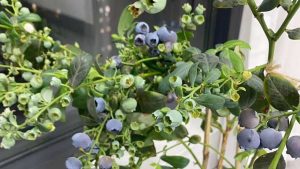
The size of the plant, harvest season, fruit quality, winter chilling requirements, and pollination needs can also vary between varieties. Understanding these differences can help you choose plants that are more likely to thrive in your garden.
If you are planning to grow blueberries at home, exploring different blueberry varieties is a good place to start.
What to Consider Before Choosing a Blueberry Variety
Before buying a blueberry bush, look beyond the size and flavor of the fruit. The growing requirements of the plant are equally important.
Start by considering your local climate. Northern highbush blueberries generally need more winter chilling, while southern highbush and rabbiteye varieties are often better suited to warmer regions.
Garden space is another consideration. Some blueberry bushes can become large shrubs, while compact varieties are easier to grow in smaller gardens or containers.
You should also consider when you want to harvest. Early-, mid-, and late-season varieties can be planted together to extend the blueberry season.
Finally, check your soil. Blueberries prefer acidic soil with good drainage, usually with a pH between about 4.5 and 5.5.
Northern Highbush Blueberries
Northern highbush blueberries are among the most popular choices for home gardens in regions with cold winters. They generally produce large berries and can become productive shrubs when grown under suitable conditions.
These varieties usually require a significant number of winter chilling hours, so they are not ideal for every climate.
Bluecrop
Bluecrop is one of the best-known highbush blueberry varieties. It is valued for its dependable production, attractive berries, and ability to perform well under suitable growing conditions.
The bushes can become fairly large, so provide enough space when planting.
Bluecrop is a useful choice for gardeners who want a productive, traditional blueberry bush for a backyard garden.
Duke
Duke is an early-season variety that can provide a relatively early blueberry harvest. The berries are generally large and have good flavor when allowed to ripen properly.
Its early harvest makes Duke especially useful when combined with varieties that mature later in the season.
Jersey
Jersey is a late-season northern highbush variety. It produces sweet berries and can help extend the harvest after early and mid-season varieties have finished producing.
It can be a good option for gardeners who want fresh blueberries later in the growing season.
Southern Highbush Blueberries
Southern highbush blueberries were developed for regions with milder winters. They generally require fewer chilling hours than northern highbush varieties.
These plants can be useful in warmer areas, but gardeners should still choose cultivars according to their specific climate.
Sunshine Blue
Sunshine Blue is a compact blueberry variety that is particularly attractive for smaller gardens.
Its relatively manageable size can make it easier to grow where space is limited. It can also be considered for container gardening when provided with an appropriately acidic growing medium and good drainage.
O’Neal
O’Neal is an early-season southern highbush variety known for producing large, flavorful berries.
It is particularly interesting for gardeners in areas with mild winters. Like other southern highbush blueberries, it should be planted in conditions that match its chilling requirements.
Misty
Misty is another southern highbush option. It can produce attractive fruit and is commonly considered by gardeners looking for varieties adapted to warmer conditions.
When selecting Misty or another southern highbush cultivar, local climate should always be taken into account.
Rabbiteye Blueberries
Rabbiteye blueberries are popular in warmer regions, particularly across parts of the southern United States. They are vigorous plants and can tolerate heat better than many northern highbush varieties.
Rabbiteye bushes can become quite large, so they need adequate room to grow.
Brightwell
Brightwell is a productive rabbiteye variety that can produce good crops under suitable growing conditions.
It is often grown alongside other compatible rabbiteye cultivars to support pollination and improve fruit production.
Tifblue
Tifblue is a well-known rabbiteye blueberry variety. It produces good-quality fruit and is valued for its usefulness in warm-climate gardens.
Because pollination can be important with rabbiteye blueberries, planting compatible varieties nearby can be beneficial.
Premier
Premier is another rabbiteye cultivar that produces relatively large berries. It can be a productive choice for home gardeners in areas where rabbiteye blueberries are well adapted.
Lowbush Blueberries
Lowbush blueberries are naturally shorter and more compact than highbush types. They are strongly associated with colder regions and can spread rather than forming the tall shrubs typical of highbush blueberries.
The berries are generally smaller, but they can have excellent flavor.
Lowbush blueberries may be suitable for gardeners who want a low-growing plant and live in a climate where these varieties naturally perform well.
Best Varieties for Small Gardens
If you have limited garden space, plant size should be one of your main considerations.
Large blueberry bushes can eventually take up considerable room. Compact cultivars such as Sunshine Blue may be easier to manage in smaller spaces.
Container growing is another possibility. A large container with acidic, well-drained growing medium can provide a suitable environment for some compact blueberry varieties.
Remember that container-grown blueberries still require regular watering and careful attention to soil acidity.
Best Varieties for a Long Harvest
One of the easiest ways to extend the blueberry harvest is to grow varieties that ripen at different times.
An early variety such as Duke can begin the season, while mid-season varieties can continue production. A late-season variety such as Jersey can provide fruit toward the end of the harvest period.
The exact timing depends on the climate and growing conditions, but combining different varieties can give you a longer period of fresh blueberries.
This approach can be particularly useful for families who want to eat fresh berries throughout the growing season rather than harvesting everything at once.
Do Blueberries Need More Than One Variety?
Some blueberries can produce fruit without another variety nearby. However, planting more than one compatible cultivar can improve pollination and may result in larger crops.
This is particularly important when growing rabbiteye blueberries, where compatible varieties are often planted together.
If you have enough space, consider choosing two or more varieties with overlapping bloom periods. This can provide better opportunities for pollination while also extending the harvest season.
Soil Requirements for Blueberries
Choosing the right variety is only part of successful blueberry growing. Soil conditions are equally important.
Blueberries prefer acidic soil, generally around pH 4.5 to 5.5. Regular garden soil may not naturally have the acidity blueberries require.
Before planting, test the soil to determine its pH. If necessary, prepare the planting area with amendments suitable for acid-loving plants.
Good drainage is also essential. Blueberry roots need consistent moisture, but they should not remain in waterlogged soil.
A layer of suitable organic mulch can help maintain moisture and protect the shallow root system.
Sunlight and Water
Most blueberry varieties perform best in a sunny location. Several hours of direct sunlight each day can support healthy growth and fruit production.
Water consistently, especially during establishment and fruit development. Avoid allowing the soil to become extremely dry for extended periods.
At the same time, do not overwater. Poor drainage can create root problems and weaken the plant.
Common Mistakes When Choosing a Variety
One common mistake is choosing a blueberry variety simply because it produces large or attractive berries.
A variety with excellent fruit may still perform poorly if it is not adapted to your climate.
Another mistake is ignoring mature plant size. A small plant at the garden center can eventually become a large shrub.
Gardeners may also overlook soil acidity or plant only one variety when better pollination could be achieved with compatible cultivars.
Taking time to research these factors before planting can prevent many problems later.
Final Thoughts
The best blueberry variety depends on where you live, how much space you have, and what you want from your harvest. Northern highbush varieties are popular in colder regions, while southern highbush and rabbiteye blueberries can be better choices for warmer climates.
For small gardens, compact varieties can make maintenance easier. For a longer harvest, consider combining early-, mid-, and late-season cultivars.
Most importantly, match the variety to your climate and provide acidic, well-drained soil, adequate sunlight, and consistent moisture. With the right plant and proper care, a home blueberry garden can provide fresh fruit for many seasons.