Tangerine is a small, sweet citrus fruit loved for its bright orange color, refreshing flavor, juicy flesh, and easy-to-peel skin. With its naturally sweet taste and convenient size, the tangerine fruit is a popular snack for children and adults alike. It is easy to carry, simple to prepare, and can be enjoyed without a knife or complicated preparation.
Besides being delicious, tangerines provide several important nutrients, including vitamin C, dietary fiber, vitamin A, folate, potassium, and natural antioxidant compounds. Adding tangerines to a balanced diet is an easy way to enjoy more fruit while getting valuable nutrients.
Tangerines are also versatile in the kitchen. You can eat them fresh, add the segments to salads, blend them into smoothies, use them in desserts, or add citrus flavor to a variety of recipes. For gardeners living in warm climates, growing a tangerine tree can also be a rewarding way to enjoy fresh fruit directly from the garden.
In this guide, you will learn what a tangerine is, where it comes from, its nutritional value and potential health benefits, how to choose and eat fresh tangerines, how to store them properly, and how to grow a healthy tangerine tree at home.
Table of Contents
1. What Is a Tangerine?
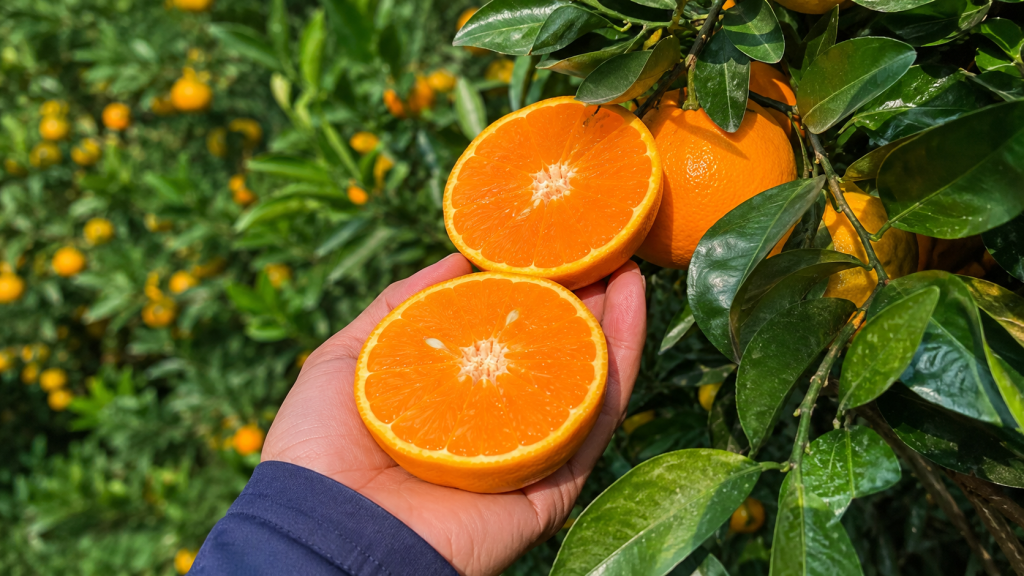
A tangerine is a type of small citrus fruit that belongs to the mandarin orange group. It is closely related to oranges, but tangerines are usually smaller and have a thinner, looser skin that can be peeled easily by hand.
The inside of a tangerine is divided into small juicy segments. The flavor is generally sweet with a mild tangy taste, although the exact flavor depends on the variety and growing conditions. Some tangerines contain seeds, while others are seedless or have very few seeds.
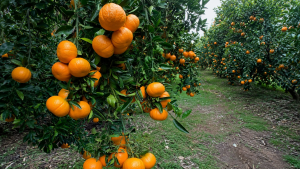
The skin of a tangerine is usually bright orange or reddish-orange. The fruit grows on evergreen citrus trees with glossy green leaves and fragrant white flowers. When grown in suitable conditions, a mature tangerine tree can produce a large crop of colorful fruit.
Tangerines originated in Asia and have been cultivated for centuries. Today, they are grown in many warm and subtropical regions around the world. They are particularly well suited to areas with mild winters and plenty of sunlight.
One of the main reasons tangerines are so popular is their convenience. Unlike many larger citrus fruits, a tangerine can usually be peeled in just a few seconds. The segments separate easily, making the fruit ideal for snacks, lunch boxes, picnics, and travel.
Although the words “tangerine” and “mandarin” are sometimes used interchangeably, they are not always exactly the same. Tangerines are generally considered to be specific types or varieties within the broader mandarin citrus group. Different varieties may vary in size, color, sweetness, seed content, and peelability.
Tangerines are typically harvested during the cooler part of the year in many growing regions. Their bright color and sweet flavor make them especially popular during the fall and winter months.
2. Tangerine Nutrition
Tangerines are a nutritious fruit that can easily fit into a balanced and varied diet. They are relatively low in calories and provide several vitamins, minerals, fiber, and beneficial plant compounds.
One of the most well-known nutrients in tangerines is vitamin C. This essential vitamin supports normal immune function and plays an important role in collagen production. Vitamin C also acts as an antioxidant that helps protect cells from oxidative stress.
Tangerines also contain vitamin A or vitamin A-related compounds, which contribute to normal vision, immune function, and healthy skin. The fruit provides smaller amounts of other nutrients, including folate and potassium.
Important nutrients found in tangerines include:
- Vitamin C
- Vitamin A
- Folate
- Potassium
- Dietary fiber
- Natural antioxidant compounds
The exact nutritional content of a tangerine depends on its size and variety.
One advantage of eating a whole tangerine is its dietary fiber. Fiber supports healthy digestion and can help you feel full after eating. When you drink tangerine juice instead of eating the whole fruit, you usually consume much less fiber.
For this reason, whole tangerines can be a convenient choice for people looking to include more fruit in their daily diet. Their natural sweetness also makes them a satisfying alternative to many highly processed snacks.
Tangerines also contain a high amount of water, which contributes to their juicy and refreshing texture. Eating water-rich fruits can contribute to overall fluid intake, although drinking enough water throughout the day remains important.
3. Health Benefits of Tangerines
The health benefits of tangerines are mainly associated with their vitamin C, fiber, potassium, and antioxidant content. When included as part of an overall balanced diet, tangerines can contribute to good nutrition and general health.
Supports Digestive Health
Tangerines contain dietary fiber, which plays an important role in maintaining a healthy digestive system. Fiber adds bulk to the diet and helps support regular bowel movements.
Eating the whole tangerine is generally a better way to get fiber than drinking only tangerine juice. The natural fiber in the fruit can also help you feel satisfied after eating.
If you are increasing your fiber intake, it is helpful to do so gradually and drink enough fluids throughout the day.
Supports the Immune System
Tangerines are a good source of vitamin C, an essential nutrient that supports normal immune system function.
Vitamin C also has antioxidant properties and helps protect cells from oxidative stress. Eating a variety of fruits and vegetables, including citrus fruits such as tangerines, can help provide the nutrients needed for a balanced diet.
Although no single fruit can prevent illness, regularly eating nutrient-rich foods can contribute to overall health and support normal body functions.
May Support Heart Health
Tangerines contain dietary fiber and potassium, nutrients that can be part of a heart-friendly eating pattern.
Potassium is an essential mineral that plays a role in normal nerve and muscle function. It also contributes to maintaining normal blood pressure.
A diet that includes a variety of fruits, vegetables, whole grains, and other nutrient-rich foods can support cardiovascular health. Tangerines can be a simple and enjoyable addition to this type of eating pattern.
Provides Antioxidants
Tangerines contain vitamin C and other natural plant compounds with antioxidant properties.
Antioxidants help protect cells from oxidative stress. Citrus fruits are known for containing a variety of beneficial plant compounds, making them a valuable part of a diet rich in colorful fruits and vegetables.
Eating different types of fruits rather than relying on only one variety can help provide a wider range of nutrients and plant compounds.
Supports Healthy Skin
Vitamin C found in tangerines is needed for collagen production. Collagen is an important structural protein that helps maintain the structure of skin and connective tissues.
A balanced diet containing fruits, vegetables, protein, healthy fats, and other nutrient-rich foods provides the nutrients needed for overall skin health.
Tangerines can therefore be one enjoyable way to add vitamin C and other nutrients to your daily meals.
4. How to Eat Tangerines
One of the best things about tangerines is how easy they are to prepare. In most cases, you simply peel the fruit, separate the segments, remove any seeds, and enjoy.
Eat Tangerines Fresh
The easiest way to eat a tangerine is fresh. Simply peel away the skin and separate the segments.
Fresh tangerines make an excellent snack between meals. They are also convenient for breakfast, school lunches, office snacks, picnics, and outdoor activities.
Add Tangerines to Salads
Tangerine segments can add natural sweetness and freshness to green salads. They pair well with leafy greens, nuts, seeds, avocado, and other fruits.
You can also combine tangerines with chicken or other protein sources to create a more filling salad.
Make Tangerine Smoothies
Tangerines can be blended with other fruits to make a refreshing smoothie. Try combining peeled tangerine segments with bananas, berries, pineapple, or yogurt.
Using whole tangerine segments instead of only juice can help retain more of the fruit’s natural fiber.
Use Tangerines in Desserts
Tangerines can be used in many desserts, including fruit salads, yogurt bowls, cakes, puddings, and frozen treats.
Their naturally sweet and slightly tangy flavor works well with creamy and baked desserts.
Use Tangerine Peel
The fragrant outer peel can be used as citrus zest in certain recipes. Tangerine zest can add a fresh citrus aroma to baked goods, sauces, and other dishes.
If you plan to use the peel, wash the fruit thoroughly before zesting it.
5. How to Choose Good Tangerines
Choosing good tangerines is relatively simple when you know what to look for.
Start by checking the appearance. Look for fruit with bright, healthy-looking skin that is free from large areas of mold, serious bruising, or major damage.
The exact color depends on the variety. Some tangerines may be bright orange, while others have a deeper orange or reddish-orange appearance.
A fresh tangerine should generally feel firm but not rock-hard. Avoid fruit that feels very soft, mushy, or has large damaged areas.
You can also compare the weight of fruits that are similar in size. A tangerine that feels relatively heavy for its size may contain more juice.
Smell the fruit if possible. A fresh tangerine often has a pleasant citrus aroma, especially around the stem. An unpleasant or fermented smell may indicate that the fruit is past its best quality.
Do not automatically reject a tangerine just because the skin feels slightly loose. Some tangerine and mandarin varieties naturally have loose skin that makes them especially easy to peel.
The best tangerine is usually one that feels fresh, firm, and heavy for its size, with healthy-looking skin and a pleasant citrus aroma.
6. How to Store Tangerines
Proper storage can help tangerines maintain their freshness, flavor, and texture.
Storing Tangerines at Room Temperature
If you plan to eat your tangerines within a few days, you can store them at room temperature.
Keep the fruit in a cool, dry, and well-ventilated location away from direct sunlight and heat.
Avoid keeping tangerines in a tightly sealed container where moisture can become trapped. Excess moisture can encourage mold growth.
It is also a good idea to check the fruit regularly. If one tangerine begins to develop mold or spoilage, remove it from the group to help protect the remaining fruit.
Storing Tangerines in the Refrigerator
If you want to keep tangerines fresh for longer, refrigeration is a good option.
Place the fruit in the refrigerator’s produce drawer or another area where it has some airflow. Avoid storing it in a container that traps excessive moisture.
Refrigerated tangerines may lose some of their aroma while cold, so you can allow them to sit at room temperature for a short time before eating if you prefer a stronger citrus fragrance.
Always check refrigerated fruit before eating. Discard tangerines that show significant mold, an unpleasant smell, or severe spoilage.
7. How to Grow a Tangerine Tree
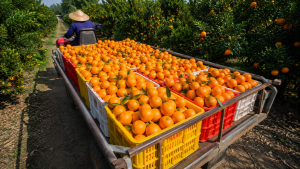
Growing a tangerine tree can be a rewarding experience for gardeners who live in warm or subtropical climates. With the right growing conditions, a healthy tree can produce fragrant flowers and delicious fruit.
Choose Well-Drained Soil
Tangerine trees grow best in well-drained soil. Avoid planting them in areas where water regularly collects after heavy rain or irrigation.
Good drainage is important because citrus trees do not perform well when their roots remain constantly wet.
Before planting, improve poor soil with suitable organic matter if necessary. If your garden has heavy clay soil or poor drainage, growing a tangerine tree in a raised bed or suitable container may be a better option.
Provide Plenty of Sunlight
Tangerine trees need plenty of sunlight to grow strongly and produce fruit.
Choose a location that receives several hours of direct sunlight each day. A sunny position with good air circulation can encourage healthy growth.
Avoid planting the tree in deep shade or directly beneath large trees that compete for sunlight and water.
Water the Tangerine Tree Properly
Young tangerine trees need consistent watering while they become established.
Water deeply when the soil begins to dry, but avoid keeping the roots constantly waterlogged. The exact watering frequency depends on your soil, climate, rainfall, and the age of the tree.
During hot and dry weather, trees may need more frequent watering. Mature trees are generally more tolerant of short dry periods than young trees.
Fertilize the Tree
Tangerine trees can benefit from a fertilizer formulated specifically for citrus plants.
Follow the instructions on the fertilizer label and avoid applying excessive amounts. Too much fertilizer can damage the roots and may encourage excessive leafy growth at the expense of fruit production.
Regular feeding during active growth can help provide nutrients needed for healthy leaves, flowers, and fruit.
Protect Tangerine Trees From Cold
Tangerine trees prefer warm conditions and can be damaged by freezing temperatures.
If you live in a region with occasional cold weather, protect young trees when freezing conditions are expected. Container-grown tangerine trees may be easier to protect because they can sometimes be moved to a sheltered location.
Before planting a tangerine tree, check whether your local climate is suitable for the variety you want to grow.

8. Frequently Asked Questions About Tangerines
Are Tangerines Good for People With Diabetes?
Tangerines can be included in a balanced diet for many people with diabetes. However, portion size and total carbohydrate intake are important considerations.
Whole tangerines are generally a better choice than fruit juice because the whole fruit contains dietary fiber. However, individual dietary needs vary, so people managing diabetes should follow guidance from a qualified healthcare professional.
Can You Eat Tangerine Seeds?
Tangerine seeds are generally removed before eating because they can be bitter and have an unpleasant texture.
Some varieties are seedless or contain very few seeds, making them particularly convenient for fresh snacking.
How Long Do Ripe Tangerines Last?
The shelf life of tangerines depends on how fresh they were when purchased and how they are stored.
At room temperature, fresh tangerines are generally best eaten within several days. Refrigeration can help extend their freshness.
Always check the fruit before eating and discard any tangerine that has significant mold, a bad smell, or severe spoilage.
Are Tangerines and Mandarins the Same?
Tangerines are part of the broader mandarin citrus group. The two terms are sometimes used interchangeably, but they can also refer to different varieties.
Tangerines and other mandarins may differ in size, flavor, color, seed content, and growing characteristics.
Can You Grow a Tangerine Tree From Seeds?
Yes, it is possible to grow a tangerine tree from seeds. However, seed-grown citrus trees may take several years to produce fruit.
The fruit produced by a seed-grown tree may also differ from the fruit of the parent tree. For more predictable results, many gardeners choose grafted trees purchased from a reputable nursery.
Do Tangerines Need Full Sun?
Tangerine trees generally grow best with plenty of direct sunlight. A sunny location helps support strong growth and fruit production.
If you are growing a tangerine tree in a container, place it in the sunniest suitable location available.
Can Tangerines Grow in Containers?
Yes, some tangerine varieties can be grown in large containers, particularly dwarf or grafted varieties.
Container-grown tangerines need well-draining potting soil, adequate sunlight, regular watering, and appropriate fertilization. The container should also have drainage holes to prevent excess water from accumulating around the roots.
9. Conclusion
Tangerine is a delicious, convenient, and nutritious citrus fruit that can be enjoyed in many different ways. With its sweet flavor, refreshing taste, bright color, and easy-to-peel skin, tangerine fruit has become a popular choice for snacks and everyday meals.
Tangerines provide important nutrients such as vitamin C, vitamin A, dietary fiber, folate, potassium, and antioxidant plant compounds. Including whole tangerines in a balanced diet can support overall nutrition while adding natural sweetness and refreshing flavor to your meals.
There are many ways to enjoy tangerines. You can eat them fresh, add them to salads, blend them into smoothies, or use them in desserts and other recipes. Choosing firm, fresh fruit and storing it properly can help preserve its quality and flavor.
For gardeners living in warm climates, growing a tangerine tree can be another enjoyable way to appreciate this popular citrus fruit. With well-drained soil, plenty of sunlight, proper watering, regular feeding, and protection from extreme cold, a healthy tangerine tree can become a productive addition to the home garden.
If you enjoy learning about fruits and growing edible plants, explore our guides to Orange Fruit, Mandarin Orange, Grapefruit, Lemon, Lime, and other popular citrus fruits.
gardenguidehub.com