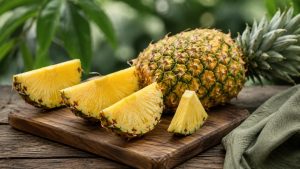
Pineapple is one of the most recognizable tropical fruits in the world. Its rough, spiky skin and green crown hide juicy golden flesh with a refreshing balance of sweetness and acidity.
But pineapple is more than a delicious fruit. It is also one of the most interesting tropical plants to grow at home because a new plant can be started from the leafy crown of a mature pineapple.
From choosing a ripe fruit to planting the crown and eventually harvesting a new pineapple, the growing process can be surprisingly rewarding. With warmth, sunlight, well-drained soil, and patience, a small pineapple crown can become the beginning of a new tropical garden plant.
What Is Pineapple?
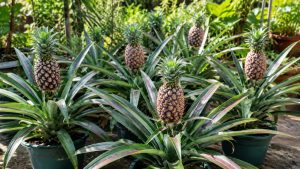
Pineapple is the fruit of Ananas comosus, a tropical plant in the bromeliad family. Unlike many familiar fruit trees, pineapple grows as a low plant with long, narrow leaves arranged around a central stem.
The fruit develops from the center of the plant and is surrounded by a crown of stiff green leaves.

The rough skin is made up of many small sections, while the inside contains juicy yellow or golden flesh. The central core is firmer than the surrounding flesh but can still be eaten when tender.
Pineapple is commonly eaten fresh, but it is also used in juices, smoothies, desserts, salads, sauces, grilled dishes, and many savory recipes.
What Does Pineapple Taste Like?
A ripe pineapple has a sweet, juicy flavor balanced by noticeable acidity. Its aroma is fresh and distinctly tropical.
The exact flavor depends on the variety, growing conditions, and ripeness.

When pineapple is not fully ripe, it may taste more acidic and have a firmer texture. A properly ripe fruit is usually juicy, fragrant, and pleasantly sweet.
The flesh can range from pale yellow to deep golden depending on the variety.
Pineapple Nutrition
Pineapple provides several nutrients, including vitamin C, manganese, dietary fiber, and other vitamins and minerals.
It also contains naturally occurring plant compounds, including bromelain, a group of enzymes found in pineapple.

Because pineapple contains natural sugars, it is best enjoyed as part of a varied diet. Eating the whole fruit also provides more fiber than drinking filtered pineapple juice.
Fresh pineapple can be an easy way to add tropical flavor and nutrients to everyday meals and snacks.
Health Benefits of Pineapple
Provides Vitamin C
Pineapple is a useful source of vitamin C, which supports normal immune system function and helps the body form collagen.
Supports Healthy Digestion
Pineapple contains dietary fiber, which contributes to normal digestion and regular bowel movements.
The fruit also naturally contains bromelain, an enzyme group that can break down proteins.
Provides Antioxidant Compounds
Pineapple contains vitamin C and other naturally occurring plant compounds with antioxidant properties.
These compounds contribute to the overall nutritional value of the fruit.
Adds Nutrients to a Balanced Diet
Pineapple can be combined with many other fruits, vegetables, grains, and protein foods. Its sweet-tart flavor can make simple meals more interesting without requiring complicated preparation.
Popular Pineapple Varieties
Pineapple varieties can differ in size, sweetness, acidity, texture, color, and growing characteristics.
Smooth Cayenne
Smooth Cayenne is one of the best-known pineapple types. It produces relatively large fruit with juicy yellow flesh and a balanced sweet-tart flavor.
MD-2
MD-2 is widely recognized for its sweet flavor, golden flesh, and relatively consistent fruit quality. It is an important commercial pineapple type.
Queen Pineapple
Queen pineapples are generally smaller than Smooth Cayenne types and are known for their sweet, aromatic flavor.
Sugarloaf Pineapple
Sugarloaf is valued for its sweet flesh and relatively soft texture. Some types have a more tender core than common commercial pineapples.
When choosing a pineapple plant, consider your climate, available space, expected fruit size, and whether the variety is suitable for home growing.
How to Choose a Ripe Pineapple
Choosing a ripe pineapple can be easier when you look at several characteristics together.
A good pineapple may have:
- A pleasant sweet aroma near the base
- Firm but slightly yielding flesh
- Healthy green leaves
- Golden or yellowing skin, depending on the variety
- A heavy feel for its size
- No large soft or moldy areas
Color alone is not always a reliable measure of ripeness because different varieties can remain relatively green even when ready to eat.
A strong sweet aroma is often a useful clue.
How to Cut and Eat Pineapple
Start by cutting off the leafy crown and the bottom of the fruit.
Stand the pineapple upright and carefully remove the outer skin with a sharp knife.
Cut the peeled fruit into slices or chunks. Remove the central core if it is too firm for your preference.

Fresh pineapple can be enjoyed:
- As a simple snack
- In fruit salads
- With yogurt
- In smoothies
- With oatmeal
- In desserts
- On grilled dishes
- In fresh salsa
A little lime juice can enhance its natural tropical flavor.
Delicious Ways to Enjoy Pineapple
Fresh Pineapple Salad
Combine pineapple chunks with mango, cucumber, lime juice, and fresh herbs for a refreshing tropical salad.
The sweet pineapple pairs especially well with ingredients that provide freshness and mild acidity.
Pineapple Smoothie
Blend fresh pineapple with banana, yogurt, and water or milk.
Add ice for a colder drink and adjust the liquid to reach your preferred texture.

Grilled Pineapple
Cut pineapple into thick slices and grill them briefly until the surface becomes lightly caramelized.
Serve them as a dessert or alongside other foods.
Pineapple Salsa
Mix diced pineapple with tomato, onion, cilantro, and lime juice.
This creates a sweet and refreshing salsa that works well with many savory meals.

How to Grow Pineapple
One of the most interesting things about pineapple is that you can grow a new plant from the leafy crown of a ripe fruit.
Pineapple is a tropical plant and grows best in warm conditions with plenty of sunlight.
Start With a Healthy Crown
Choose a pineapple with a fresh, healthy crown.
Cut the crown away from the fruit and remove any remaining flesh around its base. Allow the cut area to dry for a short period before planting.
A clean crown with healthy green leaves has a better chance of establishing successfully.
Choose a Sunny Location
Pineapple needs plenty of sunlight for strong growth.
Choose a location that receives several hours of direct sunlight each day. In cooler climates, growing pineapple in a container can make it easier to move the plant to a protected location.
Use Well-Drained Soil
Good drainage is essential.
Pineapple does not perform well when its roots remain constantly wet. Use loose, well-drained soil that allows excess water to move away from the root zone.
A container should always have drainage holes.
Plant the Crown
After preparing the crown, place the lower portion into well-drained soil.
Do not bury the entire crown. The base should have enough contact with the soil to develop roots while the leaves remain above the surface.
Water lightly after planting and keep the soil moderately moist while the plant establishes.
Water Carefully
Pineapple can tolerate some dry conditions once established, but young plants need adequate moisture.
Water when the soil begins to dry. Avoid frequent heavy watering that leaves the soil saturated.
Because pineapple leaves can hold some water, the plant has adaptations that help it cope with short dry periods.
Fertilize for Healthy Growth
Pineapple benefits from regular nutrients during active growth.
Use a balanced fertilizer suitable for pineapple or tropical fruit plants according to the product label.
Organic matter can also help maintain healthy soil.
Avoid excessive fertilizer because too much can cause nutrient problems or encourage weak growth.
How Long Does Pineapple Take to Grow?
Pineapple is not a fast fruit crop.
A plant grown from a crown may take well over a year to produce a mature fruit, depending on climate, variety, sunlight, nutrition, and general growing conditions.
Warm temperatures and strong sunlight can encourage healthy development.
Patience is one of the most important parts of growing pineapple at home.
The plant first needs to establish a strong root system and produce enough leaves before it can develop a fruit.
Can You Grow Pineapple in a Pot?
Yes. Pineapple is well suited to container growing.
Choose a pot large enough for the developing plant and make sure it has good drainage.
Container-grown pineapple can be moved indoors or to a protected area when temperatures become too cold.
Place the pot somewhere sunny and monitor soil moisture carefully because containers can dry out faster than garden soil.
When Is Pineapple Ripe?
Pineapple ripeness can be judged using several signs.
The fruit may develop a stronger sweet aroma, change color, and become slightly softer.
Depending on the variety, the skin may become more yellow or golden as the fruit matures.
A ripe pineapple should feel heavy and juicy rather than extremely dry or lightweight.
Since pineapple generally does not become much sweeter after harvest, harvesting at an appropriate stage is important for good flavor.
How to Harvest Pineapple
When the fruit reaches the appropriate maturity for the variety, cut it from the plant using a clean knife.
Leave a short section of stem if convenient.
Handle the fruit carefully to avoid bruising.
After harvesting, the plant may produce additional shoots around its base. These can sometimes be used to grow new pineapple plants.
How to Store Pineapple
Whole pineapple can be kept at room temperature for a short time.
Once it reaches good eating quality, refrigeration can help maintain freshness.
Cut pineapple should be stored in a clean covered container in the refrigerator.
If you have more pineapple than you can eat, cut the flesh into pieces and freeze it. Frozen pineapple works particularly well in smoothies.
Common Pineapple Growing Problems
Root Rot
Poor drainage and excessive watering can create conditions that damage pineapple roots.
Use loose soil and avoid keeping the planting area constantly wet.
Leaf Problems
Yellowing or browning leaves can have several causes, including water stress, nutrient problems, cold temperatures, or natural aging.
Check the growing conditions before applying additional fertilizer.
Pests
Pineapple plants can be affected by mealybugs, scale insects, mites, and other pests depending on the growing region.
Inspect the leaves and base of the plant regularly.
Poor Fruit Development
Insufficient sunlight, unsuitable temperatures, nutrient problems, or general plant stress can affect fruit development.
Give pineapple plenty of light and maintain appropriate soil moisture.
Tips for Growing Pineapple Successfully
For a healthy pineapple plant and better fruit production:
- Start with a healthy crown or suitable planting material.
- Give the plant plenty of sunlight.
- Use loose, well-drained soil.
- Water when the soil begins to dry.
- Avoid waterlogged conditions.
- Fertilize moderately during active growth.
- Protect plants from cold temperatures.
- Grow in a container if your climate is too cool.
- Watch regularly for pests.
- Be patient because fruit production takes time.
One of the most rewarding parts of growing pineapple is seeing a small crown gradually develop into a mature plant.
Conclusion
Pineapple is much more than a sweet tropical fruit. Its juicy golden flesh makes it useful in fresh snacks, smoothies, salads, desserts, and savory recipes, while its leafy crown offers an easy starting point for growing a new plant.
For gardeners, pineapple is a fascinating crop because it does not require a large tree or extensive garden space. With sunlight, warmth, well-drained soil, appropriate watering, and patience, a pineapple crown can develop into a productive plant.
The process takes time, but watching a small crown grow into a plant and eventually produce a fresh pineapple can make the harvest especially satisfying.
FAQ About Pineapple
Is pineapple a fruit or a vegetable?
Pineapple is a fruit. Botanically, it is a multiple fruit that develops from many flowers growing together.
Can you grow pineapple from the top?
Yes. A healthy leafy crown from a mature pineapple can be planted and grown into a new pineapple plant under suitable conditions.
How long does it take to grow a pineapple?
A pineapple grown from a crown can take well over a year to produce fruit. The exact timing depends on variety, temperature, sunlight, nutrition, and growing conditions.
Does pineapple need full sun?
Yes. Pineapple grows best with plenty of sunlight. Strong light supports healthy leaf growth and fruit development.
How often should you water a pineapple plant?
Water when the soil begins to dry. Pineapple needs moisture but does not perform well when the roots remain constantly waterlogged.
Can pineapple grow in a pot?
Yes. Pineapple grows well in containers with good drainage. A sunny location and suitable potting soil are important.
How do you know when a pineapple is ripe?
Look for a pleasant sweet aroma, appropriate skin color for the variety, and a fruit that feels heavy and slightly yielding. Color alone is not always reliable.
Can you eat the pineapple core?
Yes. The core is edible, although it is usually firmer and less tender than the surrounding flesh. It can be sliced thinly, blended into smoothies, or removed according to personal preference.