
There is something unforgettable about seeing a Japanese cherry blossom tree covered in flowers.
For a short time each spring, the branches seem to disappear beneath delicate pink or white blooms. The garden feels brighter, softer, and full of life. It is easy to wish that the flowers could stay like that forever.
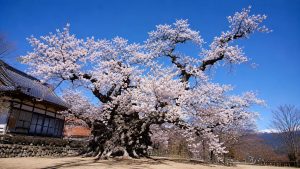
Unfortunately, cherry blossoms are naturally short-lived. You cannot stop the season from changing, but with the right care, you can help your tree stay healthy, produce beautiful flowers, and keep those blossoms looking their best for as long as nature allows.
The secret is not complicated. Japanese flowering cherry trees mainly need the right sunlight, water, soil, pruning, and protection from stress.
Choose the Right Location
Good cherry blossom care begins before you even plant the tree.
Japanese flowering cherries generally perform best in a sunny location with well-drained soil. Plenty of sunlight encourages healthy growth and supports abundant flowering.
Look for a place that receives several hours of direct sunlight each day.
Give the tree enough room to grow, too. A young cherry tree may look small when you bring it home from the nursery, but many varieties eventually develop a broad canopy.
Avoid planting it where buildings or larger trees will eventually block most of the sunlight.
A little planning at the beginning can save you many problems later.
Give the Tree Well-Drained Soil
Cherry trees do not enjoy sitting in wet soil.
Consistently waterlogged roots can create stressful growing conditions and increase the risk of root problems. Before planting, check how quickly water drains away after rainfall.
If your garden has heavy or poorly drained soil, choose a better location or improve the soil structure where appropriate.
The goal is simple: the soil should hold enough moisture for the roots while allowing excess water to move away.
Organic matter can help improve soil structure, particularly when the existing soil is poor.
Water Consistently, Especially When Young
Newly planted cherry trees need regular watering while their root systems become established.
During dry weather, check the soil around the root zone rather than relying only on a fixed watering schedule.
Water deeply enough to moisten the root area, then allow excess water to drain away.
Established trees generally need less supplemental water than young trees, but periods of prolonged heat or drought can still cause stress.
One of the easiest mistakes is giving a tree frequent, shallow watering while ignoring the deeper root zone.
Consistent moisture is especially important when flower buds are developing in spring.
Protect the Roots With Mulch
A layer of mulch can be very helpful for Japanese flowering cherry trees.
Organic mulch helps conserve soil moisture, moderate soil temperature, and reduce competition from weeds.
Spread mulch over the root zone, but avoid piling it directly against the trunk.
A thick mound of mulch touching the trunk can create an overly damp environment around the bark and may contribute to problems.
Think of mulch as a blanket for the soil, not a blanket for the tree trunk.
Feed the Tree When Necessary
Healthy soil can provide many of the nutrients a cherry tree needs, so fertilizing should not be excessive.
If your tree is growing normally and producing healthy foliage, there may be little reason to add large amounts of fertilizer.
Too much nitrogen can encourage leafy growth at the expense of balanced flowering and may create soft, overly vigorous growth.
If a tree shows signs of nutrient deficiency or poor growth, a soil test can help determine what is actually missing.
Rather than guessing, test first and fertilize according to the needs of the soil and tree.
Prune Carefully
Pruning can help maintain the tree’s structure, but Japanese flowering cherries generally do not need aggressive pruning.
Remove dead, damaged, or diseased branches when appropriate.
You can also remove branches that cross, rub against each other, or create structural problems.
Avoid cutting large amounts of healthy wood simply to change the tree’s natural shape.
For many flowering cherry varieties, thoughtful pruning is much better than heavy annual trimming.
Timing matters as well. Pruning at the wrong time can remove developing flower buds or create unnecessary stress.
If you are unsure about a major pruning job, it is better to learn the specific pruning requirements of your cultivar first.
Keep the Canopy Healthy
Good air circulation can help create a healthier environment around the foliage and branches.
When branches become excessively crowded, selective pruning can improve airflow and light penetration.
Do not try to create a perfectly open canopy by removing large numbers of branches.
Instead, think about balance.
A healthy cherry tree should have enough space between major branches to allow sunlight and air to reach different parts of the canopy.
This is particularly useful in humid areas where wet foliage may remain damp for long periods.
Watch for Pests and Diseases
Japanese flowering cherries can experience a variety of pest and disease problems.
Keep an eye on the leaves, branches, and trunk throughout the growing season.
Look for unusual leaf spots, curling leaves, damaged shoots, declining branches, or visible insects.
Early observation is one of the best habits a gardener can develop.
You do not necessarily need to treat every small imperfection. Instead, look for patterns that suggest the tree is becoming stressed or a problem is spreading.
Keeping the tree healthy through proper watering, sunlight, spacing, and sanitation can reduce many avoidable problems.
How to Help Cherry Blossoms Last Longer
This is where expectations are important.
You cannot make cherry blossoms last indefinitely. Their short flowering period is part of their natural life cycle.
However, you can protect the flowers from unnecessary stress.
Avoid allowing the tree to become severely dry during the flowering period.
Protect the tree from physical damage and avoid unnecessary pruning when it is carrying flower buds.
Weather is also a major factor.
Strong winds, heavy rain, sudden temperature changes, and unusually warm weather can cause flowers to fall sooner.
You cannot control the weather, but a healthy tree is better prepared to handle normal seasonal changes.
Avoid Stress During Flowering
Spring is an exciting time because the tree is finally showing the result of months of preparation.
Try not to disturb the root zone unnecessarily while the tree is flowering.
Avoid compacting the soil around the roots by repeatedly walking or driving over it.
Keep competing weeds under control and maintain appropriate soil moisture.
These small steps may seem unimportant, but healthy roots support healthy flowers.
Enjoy the Blossoms Without Damaging the Tree
When your cherry tree finally reaches full bloom, it can be tempting to touch the branches or pull flowers closer for photographs.
Try to enjoy the display without damaging the tree.
Do not climb on small branches or shake the tree to make petals fall.
The flowers are delicate, and broken branches can create wounds that become entry points for pests and diseases.
Sometimes the best way to enjoy a cherry blossom tree is simply to sit nearby and watch it.
Take photographs.
Listen to the birds.
Notice how the flowers look in the morning light.
These moments are part of the experience.
What to Do After the Flowers Fall
Cherry blossom care does not end when the petals disappear.
After flowering, the tree begins shifting its energy toward leaves and new growth.
Continue providing appropriate water and monitor the foliage throughout the growing season.
The green leaves that appear after flowering are important because they help the tree produce energy for future growth.
This is also a good time to inspect the tree carefully for damaged branches or emerging pest and disease issues.
The flowers may be gone, but the tree is already preparing for another spring.
Give Your Tree Time
One of the hardest lessons for a gardener is learning not to rush nature.
A young Japanese cherry tree may not immediately look like the spectacular trees you see in photographs from Japan.
That is okay.
Give it time.
With the right location and consistent care, the tree can gradually become an important part of your landscape.
Every spring, you may notice a few more branches covered in flowers. Eventually, the tree can become a seasonal landmark in your own garden.
And that is one of the most rewarding things about growing flowering trees.
A Short Season Makes the Flowers More Special
Japanese cherry blossoms are beautiful partly because they do not last forever.
Their brief appearance reminds us to pay attention to the season while it is here.
The goal of caring for a cherry tree is therefore not to force the flowers to stay forever. It is to create the healthiest conditions possible so the tree can naturally produce a beautiful display each spring.
Give it sunlight.
Keep the roots healthy.
Water when needed.
Prune thoughtfully.
Watch for problems.
And then, when those first flowers finally open, take a moment to enjoy them.
For gardeners who want a simple reference for keeping their tree healthy throughout the year, Japanese Cherry Blossom tree care is the foundation for beautiful spring blooms and a stronger, healthier tree.