Winged beans are a productive warm-season vegetable that can be grown easily in a home garden when given plenty of sunlight, warmth, and support. The young pods are crisp and nutritious, while the leaves, flowers, and mature seeds can also be used in cooking. With healthy soil and natural gardening methods, you can enjoy a steady harvest of fresh winged beans throughout the growing season.
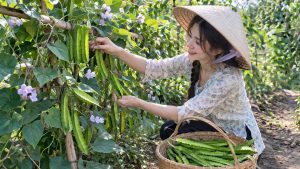
If you are interested in growing winged beans at home, choosing the right location and providing consistent care are the keys to healthy vines and abundant pods.
Choose the Right Location
Winged beans are tropical plants that grow best in warm conditions. Choose a garden location that receives at least 6 to 8 hours of direct sunlight each day. Good sunlight encourages strong vine growth, flowering, and pod production.
The planting area should also have good air circulation. Avoid locations where water regularly collects after rain because constantly wet soil can damage the roots.
Since winged bean vines can become large and vigorous, give them enough space to spread. Growing them near a sturdy trellis, fence, or garden structure makes it easier to manage the vines and harvest the pods.
Prepare Healthy Organic Soil
Winged beans grow best in loose, fertile soil that drains well. Before planting, loosen the soil to a depth of about 8 to 12 inches and remove large stones, weeds, and plant debris.
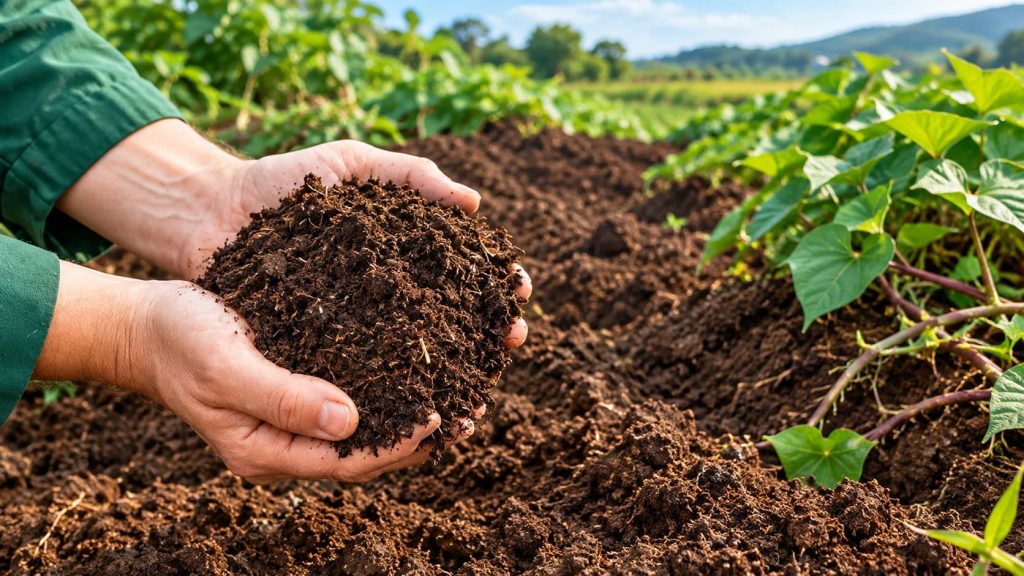
Mixing in mature compost is an excellent way to improve soil structure and provide nutrients naturally. Compost can also help the soil hold enough moisture without becoming waterlogged.
A slightly acidic to neutral soil, around pH 6.0 to 7.5, generally works well for winged beans.
For an organic garden, avoid using fresh manure because it can damage young roots. Instead, use well-aged compost or properly decomposed organic matter.
Plant Winged Bean Seeds
Winged beans are usually grown directly from seeds. Because they prefer warm soil, wait until the danger of cold weather has passed and temperatures remain consistently warm.
Before planting, you can soak the seeds in room-temperature water for several hours. This may help soften the seed coat and encourage more even germination.
Plant the seeds about 1 inch deep in moist soil. Leave approximately 12 to 18 inches between plants if you are growing them in rows. If you are planting several rows, provide enough space for air circulation and easy access during harvesting.
Keep the soil lightly moist while the seeds are germinating. Under warm conditions, seedlings may emerge within several days to a couple of weeks.
Provide Strong Support for the Vines
One of the most important parts of growing winged beans is providing a strong climbing structure.
Winged beans are vigorous vines and can climb several feet during the growing season. A sturdy trellis, fence, bamboo frame, or similar support gives the vines a place to grow vertically.
Install the support before the vines become large. This prevents you from disturbing the roots later.
As the young vines develop, gently guide them toward the trellis. Once they begin climbing, they will usually wrap around the support naturally.
A strong structure is especially important when the plants begin producing many pods because the additional weight can put stress on weak supports.
Water Winged Beans Regularly
Consistent moisture is important during germination, early growth, flowering, and pod development.
Water the plants when the top layer of soil begins to feel dry. During hot weather, winged beans may need more frequent watering. However, avoid keeping the soil constantly saturated.
Water near the base of the plant rather than repeatedly wetting the leaves. Morning watering is a good option because excess moisture on the foliage has more time to dry during the day.
Applying a layer of organic mulch around the plants can help retain moisture and reduce weed growth. Keep mulch slightly away from the main stem to reduce the risk of excessive moisture around the base.
Feed the Plants Naturally
Winged beans can grow vigorously in fertile soil, so heavy fertilization is usually unnecessary when the garden soil has been enriched with compost.
A layer of mature compost around the plants during the growing season can provide a gentle source of nutrients. If the plants appear weak or growth slows, an organic vegetable fertilizer can also be used according to the product instructions.
Avoid excessive nitrogen fertilizer. Too much nitrogen can encourage lots of leafy growth while reducing flowering and pod production.
Healthy soil is usually more important than frequent feeding. Adding compost regularly can improve both fertility and soil structure over time.
Control Weeds and Garden Pests
Young winged bean plants can compete with weeds for water, nutrients, and sunlight. Remove weeds regularly, especially around young plants.
Organic mulch can make weed control easier while helping maintain consistent soil moisture.
Check the vines and undersides of leaves regularly for common garden pests such as aphids, caterpillars, mites, and other insects. Catching problems early makes them easier to manage.
For a small home garden, hand-picking larger pests and removing badly affected leaves may be enough. Encouraging beneficial insects and maintaining good airflow around plants can also support a healthier garden ecosystem.
Avoid using harsh pesticides when they are unnecessary, especially if you plan to harvest young pods frequently.
Encourage Flowering and Pod Production
Winged beans need warmth, sunlight, water, and healthy growth to produce flowers and pods.
Once the vines are established, avoid allowing the plants to become severely dry. Water stress during flowering can affect pod development.
Good sunlight is particularly important. If the vines are growing in heavy shade, they may produce plenty of foliage but fewer flowers and pods.
Keep the vines organized on their support so that leaves receive adequate sunlight and air can move through the plant. This can also make flowers and young pods easier to inspect.
Harvest Winged Beans at the Right Time
Young winged bean pods are generally harvested while they are still tender. Depending on the variety and growing conditions, pods can become fibrous as they mature.
Check the plants regularly once pods begin forming. Harvesting young pods encourages the plant to continue producing more.
Use clean scissors or garden pruners to cut the pods rather than pulling them forcefully from the vines. Handle the plants gently because repeated rough harvesting can damage tender stems.
Fresh winged bean pods can be eaten cooked in stir-fries, soups, salads, and other vegetable dishes. Harvest only what you plan to use soon, or store the pods properly in the refrigerator to help maintain their freshness.
Save Seeds for the Next Season
If you want to continue growing winged beans organically, you can allow some healthy pods to remain on the plant until they mature.
Mature seed pods should be allowed to dry on the plant when weather conditions are suitable. Once the pods are completely dry, collect the seeds and store them in a cool, dry place.
Choose seeds from vigorous, healthy plants that produced good-quality pods. Properly stored seeds can provide planting material for the following growing season.
Final Thoughts
Growing winged beans organically at home is a rewarding way to produce a unique and productive vegetable in a warm garden. Start with healthy seeds, fertile soil, plenty of sunlight, and a strong trellis for the vines to climb.
Regular watering, compost-based feeding, weed control, and frequent harvesting can help keep the plants productive throughout the season. With the right conditions, even a small home garden can produce a generous supply of fresh winged bean pods for everyday cooking.