The lotus flower is known for its elegant shape, delicate petals, and subtle fragrance. However, lotus flowers can fade quickly when exposed to excessive heat, poor water conditions, or improper care.
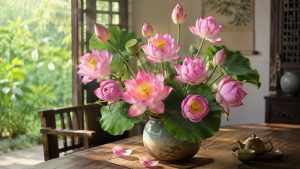
Whether you grow lotus in a container, pond, or water garden, a few simple changes can help your lotus flowers last longer, maintain their color, and stay healthy. From choosing the right location to managing water and harvesting flowers at the right time, these practical tips can help you enjoy beautiful lotus blooms for longer.
Choose a Location With Enough Sunlight
Sunlight is one of the most important factors for healthy lotus growth.
Lotus plants need plenty of direct sunlight to produce strong leaves and flowers. If a plant grows in too much shade, it may produce foliage but fewer flowers, or its blooms may not develop properly.
Choose a location that receives at least 6 hours of direct sunlight each day. Morning sunlight can be especially beneficial because temperatures are usually cooler.
However, during periods of extreme heat, some protection from intense afternoon sun can help reduce heat stress and prevent flowers from fading too quickly.
Keep the Water Clean and Stable
Water quality has a direct effect on the health of a lotus plant.
Dirty water or excessive decomposing organic matter can create poor growing conditions for the roots and rhizomes. Regularly remove yellowing leaves, spent flowers, and plant debris from the water.
Keep the water level relatively stable as well. Do not allow the container or pond to dry out completely, especially during hot weather.
If you grow lotus in a container, check the water level regularly because water can evaporate quickly on hot, sunny days.
Protect Flowers From Strong Wind
Strong winds can damage lotus petals, especially when the flowers are fully open.
If you grow lotus in a container, place it in a location that is somewhat protected from strong winds while still receiving plenty of sunlight. A spot near a wall, fence, or other natural windbreak may work well.
For lotus grown in a larger pond, controlling wind exposure can be more difficult. However, choosing a partially sheltered area can help reduce damage to delicate blooms.
Maintain Proper Water Levels
Lotus plants are aquatic plants, so maintaining suitable water conditions is essential. Instead of watering the flowers directly, focus on keeping the growing environment properly hydrated.
When water levels drop because of evaporation, add water slowly. Avoid pouring a strong stream directly onto the flowers or leaves because the force can damage delicate petals.
If you use tap water, the best approach can depend on your local water supply. In some situations, allowing newly added water to sit before adding it to a container may reduce the impact of certain water-treatment chemicals.
Fertilize Carefully
Lotus plants need nutrients to produce healthy foliage and flowers, but adding too much fertilizer does not necessarily produce better blooms.
Excess fertilizer can encourage vigorous leaf growth and create an imbalance in the plant’s development. Use a fertilizer formulated for aquatic plants and follow the application instructions on the product label.
Container-grown lotus may use nutrients more quickly than plants growing in larger environments. Monitor the plant’s overall growth and adjust feeding as needed.
Remove Spent Flowers
When a lotus flower begins to fade, remove the spent bloom and damaged flower stem.
Removing old flowers helps keep the growing area cleaner and reduces the amount of plant material decomposing in the water. It also allows the plant to direct its resources toward developing leaves, buds, and other healthy growth.
Use clean scissors or pruning shears when removing spent flowers.
Avoid pulling hard on the flower stem because this can damage other parts of the plant.
Avoid Touching the Flowers
Lotus petals can be delicate, especially when the flower is fully open. Frequent touching, moving the container, or allowing pets to disturb the plant can cause petals to tear or fall prematurely.
If your lotus grows on a patio, balcony, or other high-traffic area, place the container somewhere it is less likely to be bumped.
This simple step can make a noticeable difference if you want to keep your flowers looking attractive for as long as possible.
Take Extra Care During Hot Weather
High temperatures can cause flowers to lose moisture more quickly.
During hot weather, check the water level regularly to make sure the plant does not become stressed by insufficient water. Small containers can lose water much faster than large ponds.
Avoid placing a lotus container on surfaces that become extremely hot if this causes the water temperature to rise excessively.
A location with plenty of sunlight but some protection from extreme afternoon heat and hot winds can help flowers stay fresh longer.
Harvest Flowers at the Right Stage
If you want to use lotus flowers as cut flowers, harvesting at the right stage is important.
Choose flowers that are well developed but have not fully opened. Very young buds may have difficulty opening after being cut, while fully open flowers generally have a shorter display life.
Cut flowers in the morning when the plant is well hydrated. Use a clean, sharp pair of scissors or pruning shears and leave enough stem length for arranging.
Place the freshly cut flowers in clean water as soon as possible.
Change the Water Regularly
If you are displaying lotus flowers in a vase, clean water is one of the most important factors for keeping them fresh.
Use a clean vase and change the water regularly. When changing the water, rinse the vase to remove any buildup or plant debris.
You can also trim a small section from the bottom of the flower stem using a clean tool before placing it back into fresh water.
Avoid allowing leaves or petals to remain submerged because submerged plant material can break down quickly and make the water dirty.
Keep Cut Flowers in a Cool Location
After cutting lotus flowers, place them somewhere cool and away from direct sunlight.
Avoid placing the vase next to a sunny window, heating appliance, or another source of continuous heat.
A cool and stable environment can slow moisture loss and help flowers remain attractive for longer.
At the same time, avoid extremely cold temperatures or sudden temperature changes, which can also stress cut flowers.
Start With Healthy Lotus Plants
One of the best ways to enjoy longer-lasting lotus blooms is to start with a healthy plant or high-quality flower.
When buying a lotus plant, look for healthy green leaves and avoid plants showing significant signs of pests, disease, or damage.
If you are buying cut lotus flowers, choose blooms that are still partly closed or just beginning to open rather than flowers that are already fully open.
A healthy plant is more likely to produce strong flowers and maintain good growth throughout the season.
Understand the Natural Life Cycle of Lotus Flowers
Although proper care can help extend the time a lotus flower looks beautiful, it is important to remember that lotus flowers have a natural life cycle.
Lotus flowers typically open during the day and close at night. After blooming for a period of time, the petals naturally begin to fall as the plant moves into its next stage of growth.
The goal is not to keep a flower blooming forever but to provide the best possible conditions so it can remain healthy and attractive for as long as naturally possible.
If you want to learn more about the characteristics, meaning, varieties, and growing requirements of this beautiful plant, explore our complete guide to the lotus flower plant.
Final Thoughts
To help lotus flowers last longer, focus on providing stable growing conditions. Lotus plants need plenty of sunlight, clean water, appropriate nutrients, and protection from excessive wind and extreme heat.
If you are using lotus flowers as cut flowers, choose blooms that have not fully opened, harvest them in the morning, use a clean vase, and change the water regularly. For lotus plants growing in containers or ponds, removing spent flowers and damaged leaves can also help maintain a cleaner growing environment.
With a little attention and patience, you can enjoy the elegant beauty of lotus flowers for longer, whether they are growing in your garden pond or displayed inside your home.