Growing dahlias from tubers is one of the easiest ways to get a beautiful display of summer flowers. Once you understand the basic steps, the process is quite simple. A healthy tuber planted at the right time can develop into a strong plant that produces flowers for weeks.
I like growing dahlias from tubers because you can choose specific varieties and colors, and the plants can become much more impressive as the season progresses.
The most important things are choosing healthy tubers, waiting for warm soil, planting them correctly, and giving the plants regular care.
Choose Healthy Dahlia Tubers
Before planting, take a close look at your tubers.
Healthy tubers should feel firm and should not have large soft or rotten areas. They should also be connected to a piece of the crown where the growing eyes are located.
Don’t worry if a tuber looks a little wrinkled after winter storage. Slight dehydration doesn’t necessarily mean it won’t grow.
However, avoid planting tubers that are badly damaged, extremely soft, or showing obvious signs of rot.
If you’re buying tubers, choose a reliable garden supplier and check that the variety matches the growing conditions in your area.
Wait Until the Soil Is Warm
Dahlias are warm-season plants, so planting too early can cause problems.
Cold, wet soil can slow growth and may increase the risk of tuber rot.
I prefer to wait until the danger of hard frost has passed and the soil has warmed before planting.
The exact planting time depends on your local climate. Gardeners in warmer areas can plant earlier, while those in colder regions may need to wait until later in spring.
If you’re unsure, pay attention to local weather and soil conditions rather than relying only on a calendar date.
Choose a Sunny Location
Dahlias grow best when they receive plenty of sunlight.
Choose a location that receives around six to eight hours of direct sunlight each day.
Good sunlight helps plants develop strong stems and encourages abundant flowering.
Avoid locations that are shaded for most of the day. A little afternoon shade can sometimes be helpful in extremely hot climates, but too much shade may reduce flowering.
If you’re planting several dahlias, give them enough space so mature plants don’t completely shade each other.
Prepare the Soil
Good soil makes growing dahlias much easier.
Dahlias prefer fertile, loose soil that drains well. The soil should hold enough moisture for healthy growth without staying saturated.
Before planting, remove weeds, stones, and large pieces of debris from the planting area.
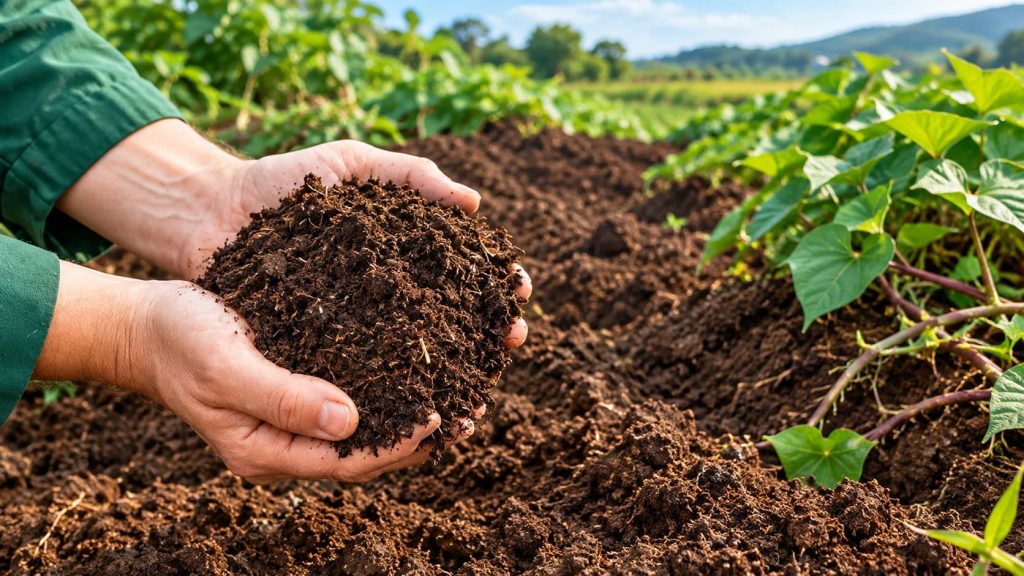
Mixing mature compost into the soil can improve its structure and add organic matter.
If your soil is heavy clay, improving drainage is particularly important. Raised beds can also be useful if water tends to collect in your garden.
Avoid planting dahlias in a location where water remains after rain.
Plant the Tubers Correctly
Once the soil is ready, dig a planting hole large enough to accommodate the tuber comfortably.
Place the tuber horizontally or with the growing eye facing upward.
Cover it with a few inches of soil rather than burying it extremely deeply.
As the plant grows, you can gradually add more soil if necessary.
Don’t water heavily immediately after planting if the soil is already moist. Before the shoots appear, too much moisture can increase the chance of rot.
Once active growth begins, you can gradually increase watering.
Water After Growth Begins
After the first shoots appear, dahlias need consistent moisture.
Water deeply when the soil begins to dry rather than giving the plant a small amount of water every day.
During hot weather, check the soil more often.
Container-grown dahlias usually dry out faster than plants growing in the ground, so they may require more frequent attention.
Try to water at the base of the plant instead of repeatedly wetting the foliage.
Keeping the leaves relatively dry can help reduce some common fungal problems.
Support Tall Varieties
Some dahlias stay fairly short, while others can grow several feet tall.
Tall varieties usually benefit from support.
I recommend installing a stake or support system early rather than waiting until the plant is large.
Once the plant becomes tall and heavy, adding support can be more difficult and may disturb the roots.
Tie the stems loosely as they grow. The goal is to support the plant without restricting natural movement.
This becomes especially important when the plant is carrying several large flowers.
Pinch for Bushier Growth
Pinching can help young dahlia plants develop more side branches.
Once a plant is actively growing and has several sets of leaves, you can remove the growing tip.
This encourages the plant to branch from lower points on the stem.
More branches can eventually mean more flowering stems.
I don’t recommend pinching a weak or newly established plant. Let it develop a healthy root system first.
For gardeners growing dahlias for bouquets, pinching can be particularly useful because it can produce multiple strong stems.
Feed During the Growing Season
Dahlias can benefit from regular nutrition once they are actively growing.
Adding compost before planting provides a good starting point.
If additional fertilizer is needed, choose one suitable for flowering plants and follow the product instructions.
Avoid using excessive amounts of high-nitrogen fertilizer.
Too much nitrogen can encourage lots of leafy growth without necessarily producing more flowers.
Healthy soil and consistent care are usually more important than trying to force rapid growth with fertilizer.
Deadhead Faded Flowers
One of the easiest ways to encourage more blooms is regular deadheading.
When a flower fades, remove it before it remains on the plant for too long.
Follow the flower stem down to a suitable branching point and make a clean cut.
Removing spent flowers helps keep the plant focused on producing new flowering stems.
It also keeps the garden looking neat.
If you enjoy cut flowers, harvesting blooms regularly can serve a similar purpose while giving you flowers to enjoy indoors.
Watch for Common Problems
Even healthy dahlias can sometimes attract pests or develop problems.
Check the plants regularly for aphids, thrips, slugs, and other insects.
Look closely at new growth, flower buds, and the underside of leaves.
Yellowing leaves don’t always mean disease. Overwatering, underwatering, nutrient problems, aging foliage, and weather stress can all cause leaves to change color.
The best approach is to look at the entire plant before deciding what is wrong.
Good spacing, proper watering, and adequate airflow can prevent many problems from becoming serious.
How Long Does It Take for Dahlias to Bloom?
The time from planting to flowering varies depending on the variety, weather, and growing conditions.
Some dahlias can begin flowering relatively quickly once they are established, while others may take longer.
Don’t worry if your plants produce leaves for a while before showing flower buds.
Warm temperatures, plenty of sunlight, adequate moisture, and good soil will help support steady development.
Once the plants begin flowering, regular deadheading can help keep new blooms coming throughout the growing season.
Growing Dahlias in Containers
Dahlias don’t have to be planted directly in the garden.
Many compact varieties grow well in containers.
Choose a large enough pot with drainage holes and use a quality potting mix that drains well.
Container plants need closer attention to watering because their soil can dry out faster than garden soil.
If you’re interested in growing Dahlia Flowers in a small garden, patio, or balcony, compact varieties can be a practical choice.
Make sure the container receives plenty of sunlight and provide support if the variety becomes tall.
Final Thoughts
Growing dahlias from tubers is a rewarding project that doesn’t require complicated gardening skills.
Start with healthy tubers, wait for warm soil, choose a sunny location, and plant in fertile, well-draining soil.
Once the plants begin growing, keep the soil reasonably moist, provide support when needed, feed carefully, and remove faded flowers regularly.
The more you grow dahlias, the easier it becomes to understand what your plants need. Every garden is different, so pay attention to your soil, weather, and individual varieties.
With the right start and a little regular care, a single dahlia tuber can develop into a strong summer plant covered with colorful flowers.