Choosing the right soil is one of the most important steps when growing healthy dahlias. These colorful flowering plants can grow vigorously and produce an impressive number of blooms, but they perform much better when their roots have the right balance of moisture, nutrients, air, and drainage.
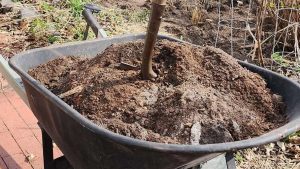
Dahlias don’t require a special commercial soil mix. In most gardens, they can grow very well when the existing soil is improved with organic matter and provides good drainage.
The main goal is simple: create loose, fertile soil that holds enough moisture for the roots without becoming waterlogged.
What Kind of Soil Do Dahlias Prefer?
Dahlias generally prefer fertile, well-draining soil that is rich in organic matter.
The ideal soil should be loose enough for roots to grow easily while still holding some moisture. Heavy clay can become compacted and retain too much water, while very sandy soil may drain too quickly and struggle to retain nutrients.
A good garden soil often contains a mixture of mineral particles, organic matter, water, and air.
If your existing soil isn’t perfect, don’t worry. One of the advantages of growing dahlias is that soil conditions can usually be improved before planting.
Adding compost is one of the easiest ways to improve both soil structure and fertility.
The Importance of Good Drainage
Drainage is particularly important for dahlias because their tubers can be damaged by excessive moisture.
When soil stays saturated for long periods, there is less oxygen around the roots and tubers. This can create unfavorable conditions for healthy growth and increase the risk of rot.
Before planting, observe your garden after heavy rain.
Does water disappear relatively quickly, or does it remain in the planting area for hours?
If water consistently collects around your planting bed, improve drainage before planting your tubers.
Raised beds can be especially helpful in areas with heavy or poorly drained soil.
Best Soil pH for Dahlias
Dahlias generally grow well in slightly acidic to neutral soil.
A soil pH around 6.0 to 7.0 is commonly suitable for these plants.
You don’t necessarily need to adjust the pH unless your soil test shows a significant imbalance. Adding amendments without knowing the existing soil condition can sometimes create new problems.
If you’re starting a new dahlia bed, consider testing the soil first. A basic soil test can tell you the approximate pH and provide useful information about nutrient levels.
This is especially helpful if plants have repeatedly struggled in the same location.
Add Compost Before Planting
Compost is one of the most useful soil amendments for a dahlia garden.
Before planting, spread a layer of mature compost over the planting area and work it into the upper portion of the soil.
Compost can improve soil structure while adding organic matter. In heavy soil, it can help create a more workable planting environment. In sandy soil, organic matter can help improve moisture retention.
Use well-decomposed compost rather than fresh organic material.
Fresh manure or unfinished compost can be too strong for young roots and may cause other problems in the garden.
Avoid Soil That Holds Too Much Water
One of the biggest mistakes gardeners make with dahlias is assuming that more moisture is always better.
It isn’t.
Dahlias need water, especially during active growth and flowering, but the soil should not remain constantly saturated.
This is particularly important immediately after planting tubers. Before shoots emerge, excessive moisture can create unfavorable conditions underground.
If your soil is naturally heavy, consider growing dahlias in raised beds or improving the planting area with suitable organic matter.
Avoid creating a planting hole that behaves like a small underground container and collects water around the tuber.
How to Improve Clay Soil
Clay soil can be challenging because it tends to become dense and sticky when wet and hard when dry.
If your garden has heavy clay, improve the entire planting area rather than simply filling one small hole with loose soil.
Incorporate mature compost into the existing soil. Organic matter can improve soil structure and make it easier for roots to expand.
Raised beds are another practical option for gardeners dealing with persistent drainage problems.
Try not to work clay soil when it is extremely wet because doing so can damage its structure and create compacted areas.
How to Improve Sandy Soil
Sandy soil has almost the opposite problem.
It drains quickly, which can be beneficial for dahlias, but it may not retain enough moisture or nutrients for vigorous growth.
Adding compost and other suitable organic matter can help sandy soil hold moisture for longer.
Mulching around established plants can also reduce evaporation during hot weather.
The goal isn’t to make sandy soil permanently wet. Instead, you want to improve its ability to hold moisture while maintaining good drainage.
Don’t Overdo Fertilizer
Good soil should provide nutrients, but more fertilizer doesn’t automatically mean more flowers.
Excessive nitrogen can encourage rapid leafy growth while contributing to weaker flowering in some situations.
Start with healthy soil and mature compost. If your plants need additional feeding, choose a fertilizer appropriate for flowering plants and follow the product directions carefully.
A soil test can be useful if you’re unsure whether your garden actually needs additional nutrients.
This is one reason I prefer improving soil structure first instead of immediately reaching for fertilizer whenever a plant isn’t performing well.
Mulch Can Help Maintain Soil Conditions
Once dahlias are actively growing, mulch can be useful around the plants.
A layer of organic mulch helps reduce moisture loss, moderate soil temperature, and limit weed competition.
Keep mulch from touching the main stems directly. Leaving a small gap around the base improves airflow and reduces the chance of excessive moisture accumulating against the plant.
Organic mulch will gradually break down and contribute organic matter to the soil.
Soil Preparation for Container-Grown Dahlias
Dahlias can also grow successfully in containers, but container soil needs to be different from ordinary garden soil.
Use a quality potting mix that drains well rather than filling containers with heavy garden soil.
The container should have drainage holes at the bottom so excess water can escape.
Large dahlia varieties need appropriately sized containers because their root systems and mature plants can become substantial.
Container-grown dahlias may also dry out more quickly than plants growing in the ground, so check the moisture level regularly during warm weather.
How to Prepare a Dahlia Bed
Preparing your soil before planting makes the rest of the growing season easier.
Start by clearing weeds and removing large stones or debris from the planting area.
Loosen the soil without unnecessarily disturbing the deeper layers. Add mature compost and mix it into the upper soil.
Check drainage after watering or rainfall.
If the soil is extremely compacted, take time to improve its structure rather than trying to plant immediately.
A little preparation in spring can make a noticeable difference once the dahlias begin producing stems and flowers.
Signs Your Soil May Need Improvement
Your dahlias can sometimes give you clues about soil problems.
Poor growth may be associated with compacted soil, inadequate nutrients, poor drainage, or inconsistent moisture. Yellowing leaves can have several causes, so don’t automatically assume the soil is the problem.
If plants repeatedly struggle despite receiving enough sunlight and water, consider testing the soil.
A soil test provides more useful information than guessing and adding several amendments at once.
Keeping simple notes from one growing season to the next can also help you understand how your garden responds to different soil improvements.
Final Thoughts
The best soil for dahlias is fertile, loose, and well drained. It should retain enough moisture to support active growth while allowing excess water to drain away quickly.
For most gardeners, improving existing soil with mature compost is a simple and effective place to start. Avoid heavily waterlogged areas, test soil pH when necessary, and don’t apply large amounts of fertilizer without knowing what your plants actually need.
Healthy soil gives dahlia tubers a strong foundation and helps plants develop vigorous roots, sturdy stems, and abundant flowers.
If you’re planning your planting for the first time, use this Dahlia growing guide as a starting point for understanding the soil, watering, feeding, and growing conditions these beautiful flowers need.