Dahlia tubers are one of my favorite ways to bring bold color into the summer garden. Once established, they can produce an impressive number of flowers, making them especially rewarding for gardeners who enjoy cutting blooms for bouquets or creating colorful flower beds.
But timing matters. Plant dahlia tubers too early, and cold, wet soil can slow their growth or cause the tubers to rot. Plant them too late, and you may shorten the growing season and miss some of their best blooms.
The good news is that finding the right planting time is fairly simple once you understand your local climate. In most areas, the key is to wait until the danger of hard frost has passed and the soil has warmed.
The Best Time to Plant Dahlia Tubers
For most gardeners, dahlia tubers should be planted in spring after the last frost has passed and the soil temperature has reached roughly 60°F (16°C).
Unlike many hardy perennial plants, dahlias are sensitive to cold. Their tubers can tolerate some cool conditions, but they don’t grow well in cold, waterlogged soil. Waiting for warmer conditions gives the roots a much better environment to begin developing.
In mild climates, planting may be possible earlier in spring. Gardeners in colder regions may need to wait until late spring or even early summer.
A useful rule is to focus less on the calendar and more on the conditions in your garden.
Look for:
- The threat of hard frost to be over
- Soil that is warming and no longer excessively wet
- Daytime temperatures consistently becoming milder
- Nighttime temperatures staying above freezing
If you’re unsure, waiting an extra week is usually better than planting too early.
When to Plant Dahlias by Climate
Planting dates can vary considerably across the United States.
In warmer areas such as parts of the South and Southwest, gardeners may be able to plant dahlia tubers in early spring. Some areas with very mild winters can even have a much longer growing season.
In the Midwest and many northern states, planting usually happens later in spring after the final frost.
Gardeners in colder northern climates should be particularly careful about spring frosts. A sudden freeze can damage new shoots emerging from the soil.
If you live in an area with a short growing season, starting tubers indoors can give your dahlias a head start. They can be planted into containers several weeks before outdoor conditions are suitable, then transplanted carefully once the weather improves.
How Soil Temperature Affects Dahlia Tubers
Air temperature isn’t the only thing to consider. Soil temperature is also important.
Dahlia tubers remain relatively inactive when the soil is cold. Once the soil warms, roots can develop more readily and shoots can begin emerging.
Cold and wet soil creates another problem: rot. If tubers sit in saturated ground for an extended period, they may deteriorate before they have a chance to establish.
Before planting, check that your garden bed drains well. If water tends to collect after rain, improve drainage before putting your tubers into the ground.
For gardeners who want a long season of color, getting this balance right is important. Healthy roots established early in suitable conditions generally lead to stronger plants later.
Should You Start Dahlia Tubers Indoors?
Starting dahlias indoors is optional, but it can be useful if you have a short growing season.
Plant each tuber in a container filled with a well-draining potting mix. Keep the container somewhere bright and reasonably warm. The goal is to encourage early growth without keeping the soil constantly wet.
Once outdoor conditions are suitable, gradually move the plants outside. This helps them adjust to sunlight, wind, and outdoor temperatures.
There’s no need to rush the process. If your outdoor growing season is already long, planting directly into the garden may be easier.
I especially like indoor starting for gardeners who want earlier flowers or who live in regions where summer arrives relatively late.
Choosing the Right Location
Timing is only part of successful dahlia growing. The planting location can make a major difference too.
Dahlias generally perform best in a sunny location with several hours of direct sunlight each day. A spot receiving around six to eight hours of sunlight is often ideal.
If you are growing Dahlia flowers, choose a location with good sunlight, fertile soil, and good air circulation. Avoid placing plants in a cramped area where foliage remains damp for long periods after watering or rain.
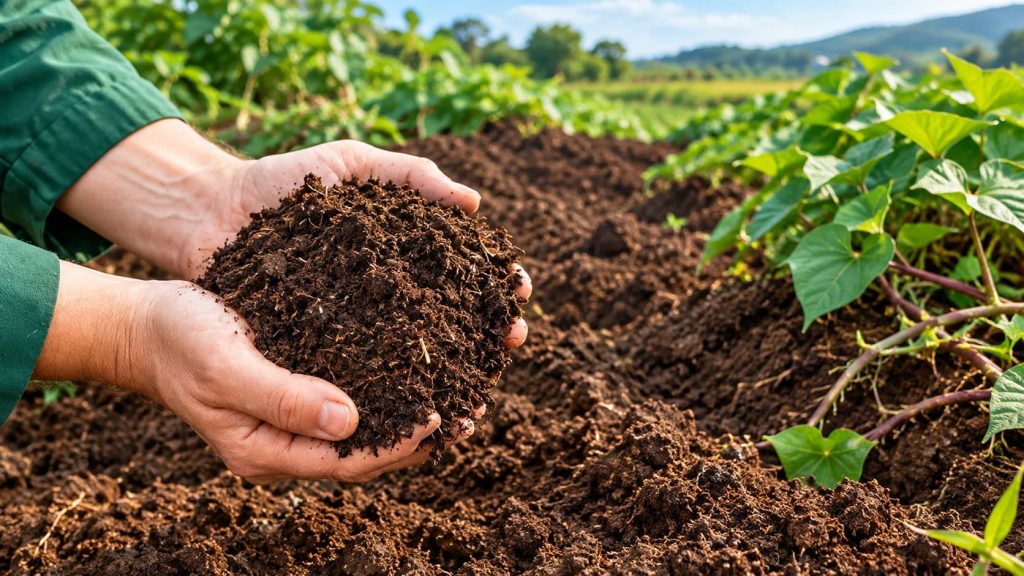
The soil should be fertile but well drained. Dahlias appreciate soil that contains organic matter, but heavy clay can hold too much moisture around the tubers.
Before planting, work compost or other suitable organic matter into poor soil to improve its structure.
How Deep Should Dahlia Tubers Be Planted?
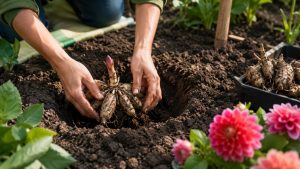
Dahlia tubers generally don’t need to be buried very deeply.
A planting depth of around 4 to 6 inches is commonly suitable, although the exact depth can depend on the variety and soil conditions.
Place the tuber horizontally or with the growing eye facing upward. The eye is the point where new shoots develop.
Avoid burying the tuber excessively deep. Too much moisture around a deeply buried tuber can increase the risk of rot, especially in heavy soil.
After planting, cover the tuber with soil and water lightly. As the plant grows, you can add more soil if necessary.
How Far Apart Should You Plant Dahlias?
Spacing depends on the mature size of the variety.
Smaller dahlia varieties can be planted closer together, while large dinner-plate types need considerably more room.
Giving plants enough space allows sunlight and air to reach the foliage. It also makes watering, staking, deadheading, and harvesting flowers easier later in the season.
Check the mature width listed for your specific variety before planting. This is much more reliable than using the same spacing for every dahlia.
When Will Dahlias Start Blooming?
After planting, don’t expect flowers immediately.
Dahlias need time to develop roots and stems before they begin producing buds. Under good growing conditions, early varieties may begin flowering in summer, while other varieties take longer.
Planting at the right time gives the tubers a strong start and provides enough time for plants to mature before the growing season ends.
Once the plants begin flowering, regular deadheading can encourage them to continue producing more blooms.
This is one reason dahlias are so popular with gardeners who enjoy cut flowers. With proper care, a single healthy plant can provide plenty of blooms throughout the season.
What If You Plant Dahlia Tubers Too Early?
Planting too early is one of the most common mistakes.
If the soil is cold and wet, tubers may remain dormant for a long time. In unfavorable conditions, they can also become susceptible to rot.
A late frost can damage emerging shoots as well.
If you have already planted and a frost is suddenly expected, protect emerging plants with a suitable frost covering. Remove the covering once temperatures rise again.
For future plantings, paying attention to soil conditions rather than simply following a fixed calendar date can prevent many problems.
What If You Plant Them Too Late?
Late planting is generally less risky than planting into cold, wet soil, but it can reduce the amount of time your dahlias have to grow and flower.
If you live in an area with a long summer, planting a little later may not be a major concern. In regions with short summers, however, every week can matter.
Starting tubers indoors can be a useful solution for gardeners who want to extend the growing season without exposing young plants to cold outdoor conditions.
Tips for Getting the Best Dahlia Blooms
Once your tubers are planted at the right time, consistent care will help them reach their potential.
Give plants adequate sunlight and water deeply when the soil begins to dry. Avoid keeping the soil constantly saturated.
Tall varieties may also need staking. Installing supports when planting is often easier than trying to add them after plants become large.
As the season progresses, remove faded flowers regularly. This encourages the plant to focus on producing additional blooms rather than developing seeds.
Feeding can also help during active growth, but avoid excessive nitrogen because it can encourage lots of leafy growth at the expense of flowers.
Final Thoughts
The best time to plant dahlia tubers is generally in spring, once the danger of hard frost has passed and the soil has warmed to around 60°F.
Rather than relying on a specific date, pay attention to your local weather, soil temperature, drainage, and growing season. These factors will give you a much better indication of when your tubers are ready for the garden.
With the right timing, sunlight, fertile soil, and regular care, dahlias can reward you with months of colorful flowers. Whether you’re growing a few plants in containers or creating a large cutting garden, giving the tubers a healthy start is one of the best ways to enjoy a spectacular summer display.
Frequently Asked Questions
Can I plant dahlia tubers before the last frost?
It’s better to wait until the risk of hard frost has passed. Cold, wet soil can slow growth and increase the risk of tuber problems.
What month is best for planting dahlias?
For many U.S. gardeners, April through May is a common planting period, but the ideal month depends on your local climate and last frost date.
Do dahlia tubers need sunlight when planted?
The tubers themselves don’t need sunlight underground, but the plants need plenty of sunlight once they emerge.
How long do dahlias take to bloom after planting?
Many dahlias begin flowering during summer, but the exact timing varies by variety, planting date, weather, and growing conditions.