When I grow dragon fruit, I pay a little more attention to the plants after several days of rain. The stems can stay wet for a long time, and this is when I often start seeing different spots or marks appearing on the plant.
One problem that can be confusing is white spot disease. The first spots may be small and easy to ignore, but they can become more noticeable if the weather stays warm and humid.
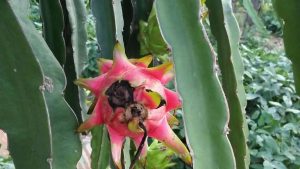
White spot disease is associated with the fungus Neoscytalidium dimidiatum. It can affect dragon fruit stems and become more serious when the plant stays wet and the disease is allowed to spread.
I don’t panic when I see a few spots. The first thing I do is take a closer look at the plant and check whether the spots are changing.
What I Look For
The spots usually start as small pale or whitish marks on the stem. They may look harmless at first, especially when there are only a few of them.
After some time, the affected areas can become larger and darker. Some spots may turn brown, and several damaged areas can eventually join together.
This is why I prefer checking the stems regularly instead of waiting until the damage is obvious.
I also look at the rest of the plant. If the stems are crowded, the leaves and branches stay wet after rain, or water is collecting around the roots, I know there are other things that need attention too.
Rainy Weather Is When I Watch the Plant Closely
I have found that long periods of wet weather can make disease problems much harder to manage.
After heavy rain, dragon fruit plants can remain damp for hours. If the weather stays cloudy and humid, the stems may not dry quickly.
Crowded plants have an even harder time. When too many stems are growing together, there is not much air movement between them.
For this reason, I try to keep my dragon fruit plants reasonably open. I remove weak or unnecessary stems when they become too crowded.
I don’t try to prune everything at once. I simply want enough space for air to move through the plant.
What I Do When I Find Bad Spots
When I notice a badly affected stem, I don’t leave it under the plant.
If the damaged section is serious, I remove it with clean pruning shears. I also make sure the cut is made carefully rather than damaging nearby healthy tissue.
Afterward, I remove the cut piece from the growing area. I don’t like leaving diseased plant material on the ground because it can create more problems later.
I also clean my pruning tools before moving on to another plant. It only takes a little extra time, but it is a good habit when working with plants that may have a disease.
Don’t Keep the Soil Too Wet
Dragon fruit needs water, but constantly wet soil is something I try to avoid.
During the rainy season, I don’t add extra water just because the plant normally has a watering schedule. If the soil is already wet, I let it dry naturally.
Good drainage is especially important. If water stays around the base of the plant after every heavy rain, I would fix the drainage problem rather than simply treating the symptoms on the stems.
I also try to avoid unnecessarily wetting the stems when watering.
For more general growing advice, I keep my other dragon fruit growing tips together in this guide to dragon fruit plant care.
Keep the Plant Growing Well
I don’t believe that adding more fertilizer is always the answer when a plant has a disease problem.
Dragon fruit needs good nutrition, but I prefer steady growth. I usually focus on healthy soil, appropriate fertilizer, enough sunlight, and good drainage.
Organic matter can also be useful for improving the growing environment around the roots.
A healthy plant still can get a disease, of course, but keeping the plant in good condition makes it much easier to manage problems when they appear.
Check the Plant After Rain
One of the easiest habits is simply checking the plant.
After several days of rain, I walk around the dragon fruit and look at the stems. I check for new white spots, brown areas, damaged tissue, or places where several stems are touching each other.
I don’t expect every small mark to turn into a serious disease. I just want to notice changes early.
If a spot stays the same for a long time, I keep watching it. If it gets bigger or more spots start appearing nearby, I pay more attention and remove seriously affected growth if necessary.
This simple habit has saved me from ignoring problems until they become much harder to deal with.
What About Fungicide?
Sometimes good garden care is not enough, especially when a fungal disease is spreading quickly.
In that situation, a suitable fungicide may be considered. However, I would not spray a product simply because I see a white spot.
There are several diseases and other problems that can cause unusual marks on dragon fruit stems. It is better to have a reasonable idea of what you are dealing with before choosing a treatment.
If a fungicide is needed, I always follow the product label. The label should provide information about whether the product can be used on the crop, how much to apply, and how often it can be used.
For me, spraying is only one part of the solution. Keeping the plant open, removing badly damaged growth, managing moisture, and maintaining healthy soil are just as important.
Final Thoughts
White spots on dragon fruit are something worth paying attention to, especially during long periods of warm and rainy weather.
I have found that regular checking makes these problems much easier to manage. I look at the stems, keep the plant from becoming too crowded, avoid unnecessary watering, and make sure excess rainwater can drain away.
If I find a badly damaged stem, I remove it instead of leaving it in the garden.
You don’t need to spend hours every day checking your dragon fruit. A quick look every few days, particularly after heavy rain, can help you notice problems while they are still small.
Good growing conditions won’t prevent every disease, but simple garden habits can go a long way toward keeping dragon fruit plants healthy and productive.