Licorice root comes from Glycyrrhiza glabra, a perennial herb known for its sweet-tasting roots and upright growth habit. Native to parts of Europe and Asia, licorice has also been grown in other regions where the climate and soil provide suitable conditions.
For gardeners, licorice is an interesting plant because the useful roots develop underground over several growing seasons. The plant produces upright stems, compound leaves, and small flowers that can vary from pale blue to purple.
Growing licorice requires patience, especially if the goal is to harvest mature roots. Good drainage, adequate sunlight, regular moisture, and enough space for the roots to develop are important for a healthy planting.
What Is Licorice Root?
Licorice root is the underground root system of Glycyrrhiza glabra, a member of the legume family, Fabaceae.
The plant is a herbaceous perennial that can form a spreading root system over time. Its leaves are divided into numerous small leaflets, giving the plant a soft, fern-like appearance compared with many common garden herbs.
Licorice produces small flowers during the growing season. After flowering, the plant may develop seed pods containing several seeds.
The roots are the main part harvested from the plant. They have a naturally sweet flavor and have a long history of culinary and traditional use.
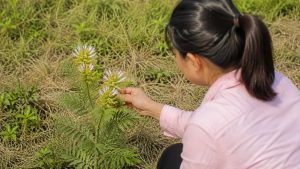
How to Identify Licorice Plant
Licorice can be identified by several features.
Look for:
- Upright perennial growth
- Compound leaves
- Numerous small oval leaflets
- Pale blue, purple, or lavender flowers
- Small seed pods after flowering
- A spreading underground root system
The leaves are particularly useful for identification. Each leaf is made up of many smaller leaflets arranged along a central stem.
The plant can eventually form a fairly large clump, especially when grown in fertile soil with adequate moisture.
Because several plants can have similar-looking foliage, always confirm the botanical name before collecting roots from an unfamiliar plant.
Where Does Licorice Grow?
Glycyrrhiza glabra is native to parts of Europe and Asia and grows naturally in areas with suitable soil and moisture.
In cultivation, licorice generally prefers a warm growing season, plenty of sunlight, and soil that drains well while still retaining moderate moisture.
It is a long-term crop rather than a quick annual herb. Gardeners interested in harvesting the roots need to plan for several growing seasons.
How to Grow Licorice Root
Licorice is relatively straightforward to grow when given suitable conditions, but the plant requires patience.
The most important factors are:
- Full sun
- Fertile, well-drained soil
- Consistent moisture
- Adequate growing space
- A long growing season
- Patience while the roots develop
Licorice can be grown from seed or established plants. Seed propagation usually takes longer, while nursery plants can provide a faster start.
When to Plant Licorice
Plant licorice in spring after the risk of severe frost has passed.
Starting in spring gives the young plant plenty of time to develop roots and establish itself before winter.
In areas with mild winters, planting may also be possible during fall.
Avoid planting into cold, waterlogged soil.
Choosing a Planting Site
Choose a sunny location with enough room for the plant and its spreading root system.
Licorice can become established in one location for several years, so it is worth choosing the planting site carefully.
A garden bed with loose, deep soil is preferable to a shallow or heavily compacted area.
Avoid planting directly next to small herbs or shallow-rooted crops that may compete for space.
Soil Requirements
Licorice grows best in deep, fertile, well-drained soil.
Loose soil is particularly important when growing the plant for its roots. Hard or compacted soil can restrict root development and make harvesting more difficult.
Before planting, loosen the soil deeply and remove large stones or other obstacles.
Adding mature compost can improve soil structure and provide organic matter.
Avoid areas that remain saturated after heavy rain.
Sunlight Requirements
Licorice generally performs best in full sun.
Aim for a location that receives several hours of direct sunlight each day.
Good sunlight encourages strong above-ground growth and helps the plant complete its seasonal growth cycle.
In very hot areas, some afternoon shade may be tolerated, but excessive shade can result in weaker growth.
How to Water Licorice
Young licorice plants benefit from consistent moisture while they become established.
Water when the soil begins to dry, providing enough moisture to reach the developing root zone.
Avoid frequent shallow watering when possible. Deep watering encourages roots to develop further into the soil.
Once established, licorice can tolerate some short dry periods, but prolonged drought may slow growth.
Good drainage remains important throughout the growing season.
Fertilizing Licorice
Licorice generally performs well in fertile soil without heavy fertilization.
If the soil is poor, adding compost before planting can provide a useful source of organic matter.
Avoid excessive fertilizer, particularly high-nitrogen products, because the goal is to maintain balanced plant growth rather than produce excessive foliage.
A soil test can help determine whether additional nutrients are needed.
Growing Licorice From Seed
Licorice can be propagated from seed, although germination may be slower than with some common garden herbs.
Sow seeds in a suitable growing medium and keep them evenly moist.
Once seedlings emerge, provide good light and avoid overwatering.
Young plants can be transplanted into the garden after they become established and outdoor conditions are suitable.
Seed-grown licorice requires patience because the roots need time to develop before they are large enough to harvest.
How Long Does Licorice Take to Grow?
Licorice is a long-term perennial crop. Gardeners growing it specifically for the roots should expect to wait several growing seasons before harvesting a substantial root system.
The exact timing depends on the variety, climate, soil, moisture, and overall growing conditions.
Harvesting too early can result in smaller roots, so patience is an important part of growing licorice successfully.
When to Harvest Licorice Root
Licorice roots are generally harvested after the plant has had enough time to develop a mature underground root system.
Fall, after the above-ground growth begins to slow, is often a practical harvest period.
Dig carefully around the plant to expose the roots without breaking them unnecessarily.
Because licorice can spread through its underground root system, harvesting can also be an opportunity to divide or manage the remaining plant.
If you want the plant to continue growing for another season, leave a healthy portion of the root system and crown in place.
How to Harvest Licorice Root
Start by loosening the soil around the plant with a garden fork or spade.
Work carefully around the root system rather than pulling the plant forcefully from the ground.
Once the roots are exposed, remove excess soil and separate the portions you intend to keep.
Wash harvested roots thoroughly with clean water to remove soil.
Large roots can be cut into smaller sections before drying.
How to Dry Licorice Root
After washing, allow excess surface water to drain.
Cut thick roots into smaller pieces so they can dry more evenly.
Spread the pieces in a clean, dry, well-ventilated area away from direct sunlight.
Turn the pieces occasionally during drying.
The roots should be thoroughly dry before being placed into storage. Thick pieces may take considerably longer than thin pieces.
Avoid storing partially dried roots because trapped moisture can encourage mold.
How to Store Licorice Root
Once completely dry, store licorice root in an airtight container.
Keep the container in a:
- Cool location
- Dry location
- Dark area
- Low-humidity environment
Glass jars or food-safe containers with tight-fitting lids can work well for dried root pieces.
Label the container with the plant name and harvest date.
Inspect stored roots occasionally. Discard any material that develops visible mold, unusual moisture, or an abnormal odor.
Licorice Root in the Garden
Licorice can be an interesting addition to a herb garden, perennial garden, or dedicated planting bed.
Because the plant can remain in the ground for several years and develops an extensive root system, it is better suited to a permanent planting area than a small seasonal herb bed.
Its compound foliage and small flowers also give it ornamental value.
Give the plant enough room from the beginning rather than trying to contain a mature root system in a very small space.
Common Growing Problems
Poor Drainage
Waterlogged soil can create difficult conditions for root development. Choose well-drained soil and avoid low spots where water collects.
Compacted Soil
Hard soil can restrict underground root growth. Prepare the planting area deeply before planting.
Drought Stress
Young plants need regular moisture. Extended dry conditions can slow establishment and root development.
Crowding
Licorice can develop a spreading root system. Give individual plants enough room and avoid placing them too close to other perennial crops.
Harvesting Too Early
Young plants may not have a substantial root system. Waiting for several growing seasons can produce a more developed harvest.
Frequently Asked Questions About Licorice Root
What plant does licorice root come from?
Licorice root comes from Glycyrrhiza glabra, a perennial member of the legume family.
Is licorice root easy to grow?
Licorice is generally manageable for home gardeners, but it requires patience because the roots take several growing seasons to develop.
Does licorice need full sun?
Yes. Licorice generally grows best in full sun with fertile, well-drained soil.
Can licorice be grown from seed?
Yes. Licorice can be started from seed, although germination and early growth can take time.
When should licorice root be harvested?
Harvesting is generally done after the plant has had several growing seasons to develop a substantial root system. Fall can be a practical time to dig the roots.
How should fresh licorice root be dried?
Wash the roots, cut thick pieces into smaller sections, and dry them in a clean, dry, well-ventilated location away from direct sunlight.
How should dried licorice root be stored?
Store completely dry root pieces in an airtight container in a cool, dark, dry location. Protect them from moisture and humidity.
Can licorice grow in containers?
Licorice can be grown in a large container, but a deep container is important because the plant develops an extensive root system. For long-term growth and root production, garden soil generally provides more space.
Does licorice come back every year?
Yes. Glycyrrhiza glabra is a perennial and can return each growing season when grown in a suitable climate.
How long does licorice live?
Licorice is a long-lived perennial when growing conditions are suitable. A well-established plant can remain productive for several years.
Conclusion
Licorice is a distinctive perennial herb that can be grown successfully by gardeners who are willing to give it time to develop. Full sun, deep well-drained soil, consistent moisture, and adequate space provide a good foundation for healthy growth.
The most important point when growing licorice for its roots is patience. Unlike annual herbs that can be harvested within one season, licorice develops its useful underground roots gradually over several years. With proper planting and simple maintenance, it can become a long-term addition to a dedicated herb or perennial garden.