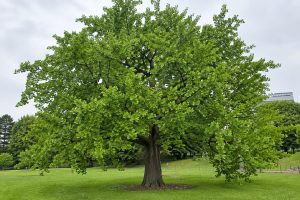
The ginkgo tree is one of the easiest long-lived trees to grow when planted in the right location. Once established, it can live for many decades and often becomes a beautiful permanent feature in a landscape. Its distinctive fan-shaped leaves, attractive golden-yellow fall color, and impressive tolerance of different growing conditions make it a popular choice for yards, gardens, parks, and streets.
Although a young ginkgo tree may grow relatively slowly, it becomes increasingly low-maintenance as it matures. With adequate sunlight, well-drained soil, and regular watering during the establishment period, gardeners can enjoy a healthy tree for many years.
1. Choose the Right Location
Choosing the right planting location is one of the most important steps when growing a ginkgo tree. These trees generally perform best in a spot that receives full sun, although young trees can tolerate some light shade.
Look for an open area where the tree will have enough room to develop its canopy and root system. Avoid planting it directly beneath power lines or too close to buildings, sidewalks, driveways, or other large trees.
Because ginkgo trees can eventually become quite large, consider their mature size before planting. Giving the tree plenty of space from the beginning can reduce maintenance problems later.
2. Prepare the Soil
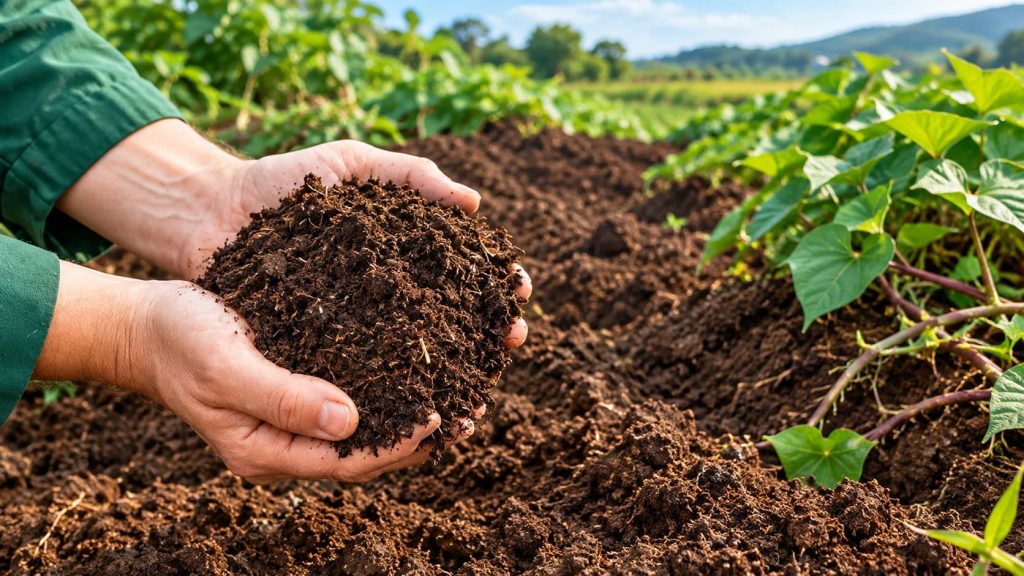
Ginkgo trees are adaptable and can grow in a variety of soil types. However, they generally perform best in well-drained soil that does not remain saturated for long periods.
Before planting, loosen the soil around the planting area and remove large rocks, weeds, and compacted material. If the soil drains poorly, improving drainage can help prevent problems with the roots.
A moderately fertile soil is usually sufficient. There is generally no need to heavily fertilize the planting hole because excessive nutrients can encourage weak or uneven growth.
3. How to Plant a Ginkgo Tree
The best time to plant a young ginkgo tree is generally during the cooler parts of the growing season, when temperatures are less stressful for the developing roots.
Dig a planting hole that is wider than the root ball but not significantly deeper. Place the tree so the top of the root ball sits level with or slightly above the surrounding soil.
Backfill the hole with the original soil and gently firm it around the roots. Avoid packing the soil too tightly because roots need access to air as well as moisture.
After planting, water thoroughly to help settle the soil around the root system.
Adding a layer of organic mulch around the base can help conserve moisture and reduce competition from weeds. Keep mulch a few inches away from the trunk rather than piling it directly against the bark.
4. Watering a Ginkgo Tree
Proper watering is especially important during the first few years after planting. A newly planted ginkgo tree needs consistent moisture while its root system becomes established.
Water deeply rather than giving the tree frequent, shallow watering. Allow the soil to dry slightly between waterings, but do not allow a newly planted tree to remain completely dry for extended periods.
Once established, ginkgo trees are relatively drought tolerant. However, extended periods of hot, dry weather can still cause stress, particularly for younger trees.
Check the soil around the root zone before watering. If the upper layer has dried out, provide a thorough watering rather than simply wetting the surface.
5. How Much Sun Does a Ginkgo Tree Need?
A ginkgo tree grows best with full sun, ideally receiving several hours of direct sunlight each day.
Good sunlight helps support healthy leaf development and strong overall growth. Trees grown in very shady locations may become less vigorous and develop a less attractive form.
When planting several trees, provide enough spacing so mature trees do not heavily shade one another.
6. Fertilizing Ginkgo Trees
Ginkgo trees generally do not require heavy feeding. If planted in reasonably fertile soil, an established tree can often grow well without frequent fertilizer applications.
If growth appears weak or the soil is known to be nutrient deficient, a balanced fertilizer may be considered during the growing season. Follow the product instructions carefully and avoid applying excessive amounts.
Overfertilizing can create unnecessary problems and does not guarantee faster or healthier growth.
7. Pruning a Ginkgo Tree
One advantage of growing a ginkgo tree is that it usually requires relatively little pruning. Young trees can benefit from light structural pruning to encourage a strong central leader and balanced branching.
Remove damaged, dead, or crossing branches when necessary. Pruning should generally be done carefully rather than aggressively removing large portions of the canopy.
As the tree matures, maintain enough clearance around paths, buildings, and other landscape features. Always use clean, sharp pruning tools and avoid removing healthy branches unnecessarily.
8. Protecting Young Ginkgo Trees
Young ginkgo trees need more attention than established trees. During the first few years, protect them from severe drought, mechanical damage, and competition from surrounding weeds.
A layer of mulch can help maintain more consistent soil moisture and moderate soil temperature. However, mulch should never be piled directly against the trunk.
In areas with harsh winters, young trees may benefit from additional protection from extreme conditions. Once established, ginkgo trees are generally much more resilient.
9. Common Ginkgo Tree Problems
Ginkgo trees are known for their toughness and adaptability. They generally have fewer serious pest and disease problems than many other landscape trees.
Poor growing conditions, however, can still cause issues. Overwatering, compacted soil, drought, or root damage may lead to weak growth or leaf problems.
Yellowing or premature leaf drop can sometimes be related to environmental stress. Before treating the tree, examine watering, drainage, sunlight, soil conditions, and recent weather.
Good planting practices and proper maintenance are usually the best way to keep a ginkgo tree healthy.
10. When Does a Ginkgo Tree Turn Yellow?
One of the most attractive features of a ginkgo tree is its fall foliage. In autumn, the normally green fan-shaped leaves can turn a brilliant yellow before dropping.
The timing depends on the local climate, temperatures, and growing conditions. In many areas, the color change occurs during the cooler part of fall.
The leaves may remain green for much of the growing season and then change relatively quickly when autumn conditions arrive, creating a striking seasonal display.
Final Thoughts
Growing a ginkgo tree is a long-term investment in the landscape. Although young trees need regular attention, especially with watering and protection, established trees are generally hardy and require relatively little maintenance.
Choose a sunny location, provide well-drained soil, water consistently during establishment, and give the tree enough space to mature. With these basic requirements, a ginkgo tree can become a distinctive and long-lasting part of the garden.
For a deeper look at the tree’s history, characteristics, uses, and other important information, see our complete guide to Ginkgo Biloba