Learning how to start a garden from scratch can be an exciting and rewarding experience. Whether you want to grow fresh vegetables, fragrant herbs, colorful flowers, or a combination of plants, creating a garden gives you the opportunity to spend more time outdoors and enjoy the satisfaction of growing something yourself.
You don’t need a large property or advanced gardening skills to get started. With the right location, healthy soil, suitable plants, and a simple care routine, almost anyone can create a productive garden.
1. Choose the Right Location
The first step is choosing the best location for your garden. Most vegetables, herbs, and flowering plants need plenty of sunlight to grow well. Look for an area that receives around six to eight hours of direct sunlight each day.
Pay attention to nearby trees, fences, and buildings that may create shade. While some plants prefer partial shade, many popular garden crops, including tomatoes, peppers, cucumbers, and squash, grow best in a sunny location.
You should also choose a place that is easy to access. A garden that is close to your home is usually easier to monitor, water, weed, and harvest regularly.
2. Decide What Type of Garden You Want
Before preparing the soil, decide what type of garden fits your space and lifestyle.
An in-ground garden is a traditional option that allows you to plant directly into the soil. It can provide plenty of space for vegetables and larger plants, but the existing soil may need improvement.
Raised beds are another popular choice. They offer better control over soil quality and drainage and can make planting and maintenance easier.
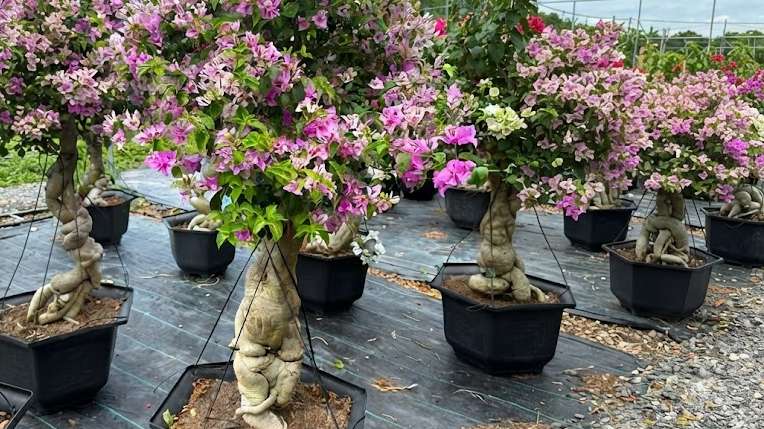
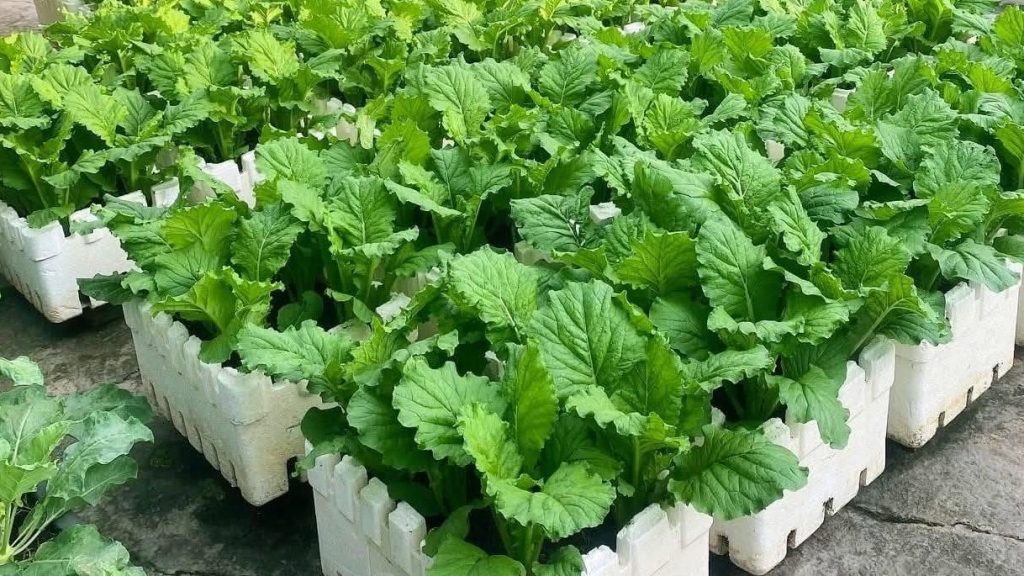
If you have limited space, consider container gardening. Pots, grow bags, and other containers can be placed on patios, balconies, decks, or small outdoor spaces.
For beginners, starting with a small garden is often the best approach. A manageable space allows you to learn the basics without feeling overwhelmed.
3. Prepare the Soil
Healthy soil is one of the most important foundations of a successful garden. Before planting, remove grass, weeds, rocks, and other debris from the area.
Loosen compacted soil with a garden fork or shovel. If the soil is poor, adding compost or other organic matter can help improve its structure, moisture retention, and nutrient content.
Good soil should drain excess water while still holding enough moisture for plant roots. Avoid areas where water regularly collects after rain because overly wet conditions can cause root problems.
If you’re unsure about your soil quality, consider using a soil test kit. Testing can help you understand the soil’s pH and nutrient levels, allowing you to make more informed decisions about amendments and fertilizers.
4. Choose Easy Plants for Beginners
When you’re learning how to start a garden, selecting beginner-friendly plants can make the experience much easier.
For vegetables, consider starting with lettuce, radishes, green beans, cucumbers, zucchini, carrots, or cherry tomatoes. Many of these plants are relatively easy to grow when provided with suitable sunlight, water, and soil.
Herbs such as basil, parsley, chives, mint, and oregano are also good choices. They can be grown in garden beds or containers and are useful in everyday cooking.
If you prefer flowers, sunflowers, marigolds, zinnias, and cosmos are popular choices for new gardeners.
Choose plants that are suitable for your local climate and growing season. Your local USDA hardiness zone can help you determine which perennial plants are likely to survive winter in your area.
5. Plant at the Right Time
Timing is important when starting a garden. Some plants grow best during cool weather, while others need warm temperatures.
Cool-season crops such as lettuce, spinach, peas, and radishes can often be planted earlier in spring. Warm-season crops such as tomatoes, peppers, cucumbers, and squash generally perform better after the danger of frost has passed.
Check your local frost dates before planting. Seed packets and plant labels also provide useful information about planting depth, spacing, and the expected time to harvest.
If you’re starting from seeds, follow the instructions on the package carefully. Planting too deeply or too early can reduce germination and make it harder for young plants to establish.
6. Water Your Garden Properly
New gardeners often make the mistake of either watering too much or not watering enough. The goal is to keep the soil consistently moist without leaving it waterlogged.
Check the soil with your finger. If the top inch feels dry, it may be time to water. Young seedlings and newly planted crops often need more attention than established plants.
Water deeply and direct the water toward the base of the plant rather than constantly wetting the leaves. Morning is generally a good time to water because plants have time to absorb moisture before the heat of the day.
The amount of water your garden needs depends on the weather, soil type, plant variety, and container size.
7. Add Mulch Around Plants
Mulching is a simple way to make garden maintenance easier. Organic materials such as straw, shredded leaves, or compost can be placed around plants to help conserve soil moisture.
A layer of mulch can also reduce weed growth and protect plant roots from temperature changes. Keep mulch slightly away from the base of plant stems to improve airflow and reduce the risk of rot.
Mulch gradually breaks down and can contribute organic matter to the soil, making it a useful addition to many garden beds.
8. Learn to Manage Weeds and Pests
Weeds compete with garden plants for water, nutrients, sunlight, and space. Pulling small weeds regularly is usually easier than allowing them to become large and established.
Keep an eye on your plants for signs of pests. Look underneath leaves and around stems for insects, holes, discoloration, or sticky residue.
Instead of immediately reaching for chemical pesticides, consider simple approaches first. Hand-picking larger pests, removing damaged leaves, encouraging beneficial insects, and keeping plants healthy can help reduce many common garden problems.
Good spacing and proper airflow can also help prevent certain plant diseases.
9. Feed Plants When Necessary
Plants need nutrients to grow, but more fertilizer is not always better. Excessive fertilizer can damage roots or encourage excessive leafy growth at the expense of flowers and fruit.
Start by improving the soil with compost and follow the recommendations for the specific plants you’re growing. If you use commercial fertilizer, carefully follow the label instructions.
Different plants have different nutritional needs, so avoid treating every plant in the garden the same way.
10. Start Small and Learn as You Grow
One of the best tips for anyone learning how to start a garden is to begin with a manageable project. You don’t need to grow twenty different crops in your first season.
Start with a few plants that interest you and observe how they respond to sunlight, water, soil, and weather. Keep notes about what you plant and when you plant it. Over time, you’ll learn which varieties perform best in your garden.
Don’t be discouraged if something doesn’t grow perfectly. Gardening is a continuous learning process, and even experienced gardeners have unsuccessful seasons.
Final Thoughts
Learning how to start a garden from scratch doesn’t have to be complicated. Choose a suitable location, prepare healthy soil, select plants that match your climate, and establish a simple routine for watering and maintenance. If you’re completely new to gardening, our Gardening for Beginners guide can help you learn the essential basics before getting started.
Starting small can help you build confidence while giving you the opportunity to learn from each growing season. As your experience increases, you can expand your garden, try new crops, and experiment with different growing methods.
The most important thing is to enjoy the process. Gardening is not only about the harvest. It is also about spending time outdoors, caring for living plants, and creating a space that brings something positive to your everyday life.