Bitter melon, also known as bitter gourd or Momordica charantia, is a warm-season vine that produces distinctive green fruits with a deeply ridged surface. Popular in Asian, African, and Caribbean cuisines, bitter melon is surprisingly easy to grow when given plenty of warmth, sunlight, and support. If you are wondering how to grow bitter melon, this guide covers everything from choosing seeds and preparing the soil to watering, feeding, supporting the vines, and harvesting fresh fruits.
1. Choose the Right Location
Bitter melon grows best in warm conditions and needs plenty of sunlight. Choose a location that receives at least 6 to 8 hours of direct sunlight each day.
Because bitter melon is a vigorous climbing vine, select a spot where you can install a sturdy trellis or other support. Growing the vines vertically improves air circulation, keeps the fruits off the ground, and makes harvesting easier.
Avoid planting bitter melon in areas where water collects after rain. Good drainage is essential for healthy roots.
2. Prepare the Soil
Bitter melon prefers fertile, well-drained soil rich in organic matter. Before planting, loosen the soil to a depth of about 12 inches and mix in compost or well-rotted organic matter.
A slightly acidic to neutral soil is generally suitable. If you are unsure about your soil conditions, a basic soil test can help you determine whether amendments are needed.
The soil should retain enough moisture for healthy growth while allowing excess water to drain away.
3. Start Bitter Melon Seeds
Bitter melon is usually grown from seeds. In cooler climates, starting seeds indoors several weeks before the last spring frost can give plants a head start.
The seeds have a hard outer coating, so soaking them in warm water for several hours before planting may help encourage faster germination.
Plant seeds about ½ inch deep in moist seed-starting mix. Keep the containers in a warm location with plenty of light.
Once seedlings have developed several healthy leaves and outdoor temperatures are consistently warm, gradually acclimate them to outdoor conditions before transplanting.
4. Plant Bitter Melon Outdoors
Bitter melon is sensitive to cold temperatures, so wait until the danger of frost has passed and the soil has warmed.
Space plants approximately 12 to 24 inches apart, depending on the variety and available growing space.
If you are growing several plants, leave enough room between rows to allow good air circulation and easy access for watering and harvesting.
Install the trellis before the vines become large. This prevents you from disturbing the roots later and gives the young plants immediate support.
5. Provide a Strong Trellis
A sturdy trellis is one of the most important parts of growing bitter melon successfully.
The vines can grow vigorously and become heavy once fruits begin developing. Use a strong trellis, fence, or other vertical structure capable of supporting mature plants.
As the vines grow, gently guide them toward the support. You can loosely tie young stems with soft garden ties if necessary.
Vertical growing also helps fruits develop more evenly and reduces contact with wet soil.
6. Water Regularly
Bitter melon needs consistent moisture, especially during flowering and fruit development.
Water deeply when the top layer of soil begins to dry. Avoid keeping the soil constantly waterlogged, as excessive moisture can contribute to root problems.
Water at the base of the plant rather than spraying the leaves whenever possible. Morning watering is ideal because it gives excess moisture on foliage time to dry during the day.
Applying a layer of organic mulch around the base can help retain soil moisture and reduce weed growth. Keep mulch slightly away from the main stem.
7. Fertilize During the Growing Season
Bitter melon grows quickly and benefits from fertile soil.
Before planting, incorporate compost into the growing area. During the growing season, apply a balanced vegetable fertilizer according to the product label.
Avoid excessive nitrogen, which can encourage abundant leaf growth at the expense of flowers and fruit.
Once the plants begin flowering, adequate nutrients and consistent watering can help support fruit production.
8. Encourage Pollination
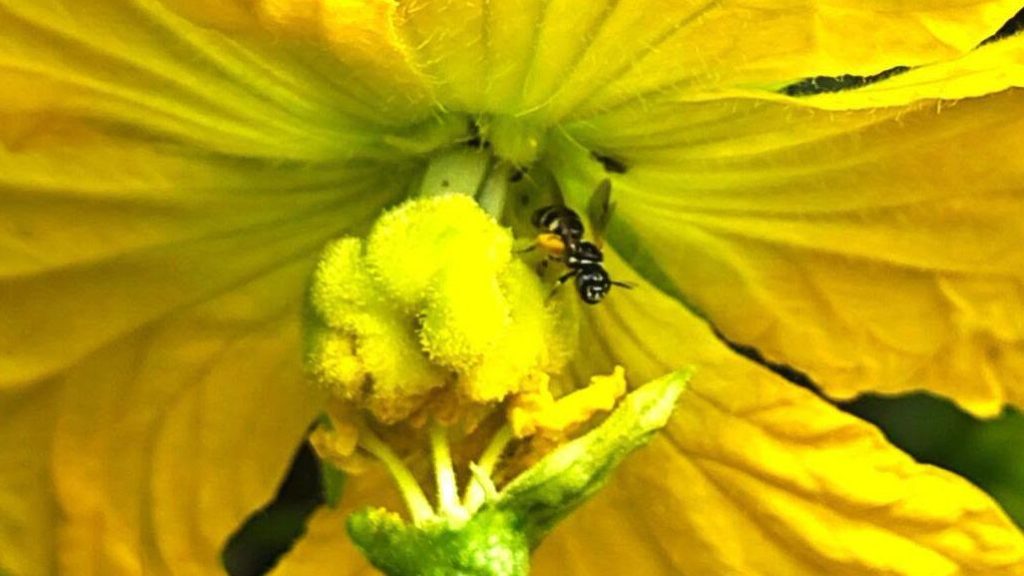
Bitter melon produces separate male and female flowers on the same plant. Bees and other pollinating insects typically transfer pollen between flowers.
If your plants produce plenty of flowers but few fruits, poor pollination may be one possible reason.
Encourage pollinators by avoiding unnecessary pesticide use and growing a variety of flowering plants nearby.
In areas with limited pollinator activity, hand-pollination may help. Use a small, clean brush to transfer pollen from a male flower to a female flower.
9. Watch for Pests and Diseases
Like other warm-season vegetables, bitter melon can be affected by common garden pests.
Depending on your location, watch for aphids, cucumber beetles, whiteflies, and spider mites. Inspect the leaves regularly and look for signs of chewing damage, discoloration, or unusual growth.
Good air circulation and proper watering practices can help reduce some disease problems.
Remove severely damaged leaves and keep the garden area clean. If you notice a serious pest or disease problem, identify the cause before choosing a treatment.
10. Harvest Bitter Melon at the Right Time
Bitter melon grows quickly once fruits begin developing. Harvesting at the right stage is important for flavor and texture.
Most varieties are harvested while the fruits are still green and firm, before they become fully ripe and change color.
Use clean garden scissors or pruning shears to cut the fruit from the vine. Avoid pulling or twisting the fruit, as this can damage the plant.
Regular harvesting can also encourage the plant to continue producing more fruits throughout the growing season.
Final Thoughts
Learning how to grow bitter melon is relatively simple when plants receive warm temperatures, full sun, fertile soil, consistent moisture, and strong vertical support. Starting with healthy seeds, installing a sturdy trellis, and maintaining good growing conditions can help you enjoy a productive harvest.
With proper care, bitter melon vines can grow vigorously and produce plenty of unique fruits throughout the warm growing season. Whether you plan to use your harvest in soups, stir-fries, omelets, or other recipes, growing bitter melon at home can be a rewarding addition to your vegetable garden.