How to grow aloe vera successfully is a common question for gardeners who want a low-maintenance plant that can thrive indoors, outdoors, or in containers. Aloe vera is a hardy succulent that stores water in its thick, fleshy leaves, making it naturally tolerant of dry conditions. However, growing a large, healthy aloe vera plant requires more than simply putting it in a pot and watering it occasionally.
With the right soil, sunlight, watering routine, and simple farming techniques, you can encourage aloe vera to produce strong leaves, healthy roots, and new offsets. This practical guide explains how to grow aloe vera using simple methods that work well for home gardens and small-scale cultivation.
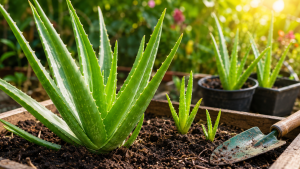
1. Choose a Healthy Aloe Vera Plant
The first step in learning how to grow aloe vera is choosing good planting material. If you start with a weak or damaged plant, it may take much longer to establish.
Choose a plant with:
- Thick, firm green leaves
- No soft or black areas
- No signs of root rot
- Healthy roots
- Several strong leaves growing from the center
Aloe vera can be grown from seeds, but most gardeners and farmers prefer propagation from offsets, also called pups. These small plants naturally grow around the base of a mature aloe vera plant and are usually the easiest way to expand your garden.
2. Plant Aloe Vera in Well-Drained Soil
One of the most important rules for growing aloe vera is to avoid soil that holds too much water. Aloe vera is a succulent, and its roots can quickly develop problems when they remain wet for long periods.
A simple soil mixture can include:
- 50% regular garden soil
- 30% coarse sand
- 20% compost or well-rotted organic matter
The soil should be loose and drain water quickly. If your garden soil is heavy clay, improve it with sand, compost, and other materials that increase drainage.
For container growing, always choose a pot with drainage holes at the bottom. A pot that allows excess water to escape is much better than one that keeps water trapped around the roots.
3. Give Aloe Vera Plenty of Sunlight
Aloe vera grows best when it receives plenty of bright light. Outdoor plants generally perform well in a location with several hours of sunlight each day.
However, if a plant has been growing indoors or in shade, do not immediately move it into intense direct sunlight. The leaves may become stressed or develop sun damage.
Instead, gradually increase its exposure to sunlight over several days.
For indoor aloe vera, place the pot near a bright south-facing or west-facing window when possible. If the plant becomes tall, thin, or stretched toward the light, it may not be receiving enough sunlight.
4. Water Aloe Vera the Right Way
Watering is where many aloe vera growers make mistakes.
The best method is to water deeply but infrequently. When the soil becomes completely dry, water thoroughly until some water drains from the bottom of the pot. Then allow the soil to dry out again before watering.
Do not water aloe vera on a fixed daily schedule. The frequency depends on the temperature, soil, pot size, rainfall, and growing conditions.
During hot and dry weather, outdoor plants may need more frequent watering. During cool or rainy periods, watering should be reduced.
The simple rule is:
Dry soil = water deeply.
Wet soil = wait.
Avoid leaving water sitting in the center of the plant because prolonged moisture can encourage rot.
5. Feed Aloe Vera for Faster Growth
Aloe vera does not require heavy fertilization, but an occasional supply of nutrients can help support healthy growth.
A small amount of mature compost can be mixed into the soil at the beginning of the growing season. You can also use a mild, balanced fertilizer at a low concentration if the plant is actively growing.
Do not overfertilize. Too much fertilizer can damage the roots and may encourage weak, unnatural growth.
For farmers and gardeners, healthy soil is often more important than using large amounts of fertilizer. Adding organic matter and maintaining good drainage can create better long-term growing conditions.
6. How to Grow Aloe Vera Faster
If your goal is to grow larger aloe vera plants more quickly, focus on the basics rather than trying to force rapid growth.
First, provide enough sunlight. Aloe vera needs good light to produce strong leaves.
Second, avoid overwatering. Healthy roots are essential for steady growth.
Third, use well-drained soil. Water should move through the soil instead of remaining around the roots.
Fourth, give the plant enough space. A crowded pot can limit root development. Repot aloe vera when the roots become tightly packed or when offsets fill the container.
Fifth, remove damaged leaves. Cut away completely dry, rotten, or badly damaged leaves using a clean, sharp tool. This helps keep the plant tidy and allows it to focus on healthy growth.
A good combination of sunlight, drainage, and proper watering will usually produce better results than excessive fertilizer.
7. Propagate Aloe Vera from Offsets
One of the easiest ways to grow more aloe vera is by separating offsets from a mature plant.
Wait until the young offset has developed several leaves and has a reasonable root system. Carefully remove it from the parent plant, keeping as many roots as possible.
Allow any damaged or cut area to dry for a short time before planting. Then place the offset in well-drained soil.
Do not immediately soak the newly planted offset with large amounts of water. Give it time to establish its roots, then begin watering lightly and gradually return to a normal watering routine.
This method allows one healthy mature plant to produce many new aloe vera plants over time.
8. Common Aloe Vera Growing Problems
Yellow or soft leaves are often a sign of excessive watering or poor drainage. Check the soil and make sure the pot has drainage holes.
Brown leaf tips can be caused by several factors, including excessive sunlight, underwatering, dry air, or environmental stress.
Thin, stretched leaves usually indicate insufficient light. Move the plant to a brighter location gradually.
Root rot is one of the most serious problems. If the roots are dark, soft, and damaged, remove the affected parts and replant the healthy portion in fresh, dry, well-drained soil.
Pests such as mealybugs and scale insects may occasionally attack aloe vera. Inspect the leaves regularly and remove pests early before the problem becomes widespread.
9. Harvesting Aloe Vera Leaves
When the plant is mature and healthy, you can harvest individual leaves as needed. Choose the largest outer leaves rather than cutting the young leaves in the center.
Use a clean, sharp knife to cut a leaf close to its base. Avoid removing too many leaves at once because the plant needs enough foliage to continue growing.
For regular harvesting, leave the central growing point and several healthy leaves intact. This allows the plant to continue producing new growth.
If you are growing aloe vera commercially, establish a harvesting schedule that gives plants enough time to recover and produce new leaves.
10. Simple Farmer’s Tips for Healthy Aloe Vera
For gardeners who want a simple routine, remember these practical tips:
- Plant aloe vera in loose, well-drained soil.
- Choose a sunny or brightly lit location.
- Water only when the soil has dried out.
- Never allow the roots to sit in standing water.
- Use compost to improve soil quality.
- Fertilize lightly rather than heavily.
- Separate healthy offsets to create new plants.
- Remove rotten or damaged leaves promptly.
- Repot plants when roots become overcrowded.
- Protect aloe vera from prolonged cold and frost.
The most important lesson is that aloe vera usually grows better when you avoid excessive care. Too much water, too much fertilizer, and poor drainage are more likely to cause problems than a lack of attention.
Final Thoughts
Learning how to grow aloe vera is relatively simple when you understand the plant’s natural needs. Aloe vera prefers plenty of light, loose soil, good drainage, and careful watering. Whether you grow it in a container, backyard garden, or on a small farm, these basic principles can help you produce healthy plants with strong, thick leaves.
For faster and healthier growth, focus on creating the right growing environment instead of trying to force the plant with excessive fertilizer or water. With proper sunlight, healthy soil, and good drainage, aloe vera can grow steadily and produce new offsets that allow you to expand your garden year after year.