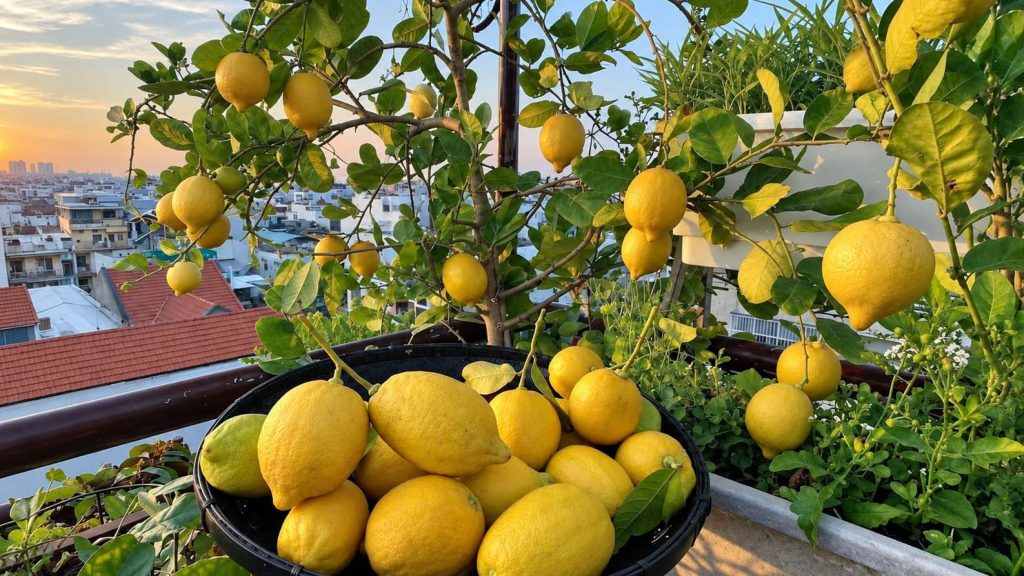
Growing a lemon tree can be exciting, especially when you expect fragrant flowers followed by fresh, juicy lemons. But sometimes a healthy-looking tree produces plenty of leaves and branches while giving you little or no fruit.
If your lemon tree is not producing lemons, the problem is usually related to age, sunlight, watering, pollination, nutrition, pruning, temperature, or general growing conditions. The good news is that most of these problems can be corrected with better care.
Here are the most common reasons your lemon tree is not producing fruit and what you can do to encourage a better harvest.
Your Lemon Tree May Be Too Young
One of the most common reasons a lemon tree does not produce lemons is simply its age.
Lemon trees grown from seeds can take several years before they begin producing flowers and fruit. Grafted or nursery-grown lemon trees usually produce fruit sooner because they are propagated from mature, productive plants.
If your tree is young and growing strongly, there may be nothing seriously wrong.
Instead of focusing only on fruit production, pay attention to healthy growth. A young tree needs time to develop a strong root system, trunk, and branches before it can support a large crop.
If you purchased a grafted lemon tree from a nursery, check the plant label or ask the seller about its approximate age and rootstock.
Your Lemon Tree Is Not Getting Enough Sunlight
Lemon trees need plenty of sunlight to produce energy for flowering and fruit development.
A tree growing in heavy shade may produce lots of green leaves but few flowers. Even if it flowers occasionally, low light can reduce fruit production.
For the best results, grow lemon trees in a location that receives several hours of direct sunlight each day.
Look at your tree throughout the day. Nearby buildings, fences, larger trees, or structures may gradually create more shade as the seasons change.
If your lemon tree is in a container, moving it to a sunnier location may help. For trees planted in the ground, removing competing vegetation or carefully managing nearby shade may improve light exposure.
Improper Watering Can Reduce Fruit Production
Both overwatering and underwatering can affect flowering and fruit development.
Lemon trees prefer consistently moist but well-drained soil. They do not perform well when their roots remain in constantly saturated soil.
On the other hand, prolonged drought can cause stress, leaf problems, flower drop, and poor fruit development.
Instead of watering according to a fixed schedule, check the soil moisture around the root zone. Water deeply when the soil begins to dry, then allow excess water to drain away.
Container-grown lemon trees usually need closer attention because their soil can dry out faster than garden soil.
Too Much Nitrogen May Encourage Leaves Instead of Fruit
If your lemon tree is extremely leafy but rarely flowers, fertilizer may be part of the problem.
Nitrogen encourages vegetative growth. Too much nitrogen can cause a lemon tree to put more energy into leaves and shoots instead of flowers and fruit.
This is particularly common when gardeners use high-nitrogen lawn fertilizer near citrus trees.
Lemon trees need several nutrients, not just nitrogen. A fertilizer formulated for citrus can provide a more balanced nutrient profile.
Follow the product label and avoid applying more fertilizer than recommended. More fertilizer does not necessarily mean more lemons.
The Tree May Not Be Flowering
No flowers generally means no lemons.
Before worrying about fruit, look closely at your tree during its flowering period. If there are no flowers at all, investigate the growing conditions first.
Insufficient sunlight, excessive nitrogen, drought stress, cold temperatures, poor nutrition, and an immature tree can all contribute to poor flowering.
A healthy mature lemon tree should have periods of active growth and flowering depending on its variety and climate.
If your tree produces flowers but they disappear before fruit develops, the problem may be different.
Poor Pollination Can Sometimes Be a Factor
Lemon trees are generally self-pollinating, which means you usually do not need a second lemon tree to produce fruit.
However, flowering conditions can still influence successful fruit set.
Outdoor lemon trees can benefit from natural insect activity. Bees and other pollinators may visit the flowers and help move pollen.
If your lemon tree is grown indoors or in a protected area where insects rarely have access to the flowers, you may need to pay closer attention to pollination.
Avoid using insecticides unnecessarily during flowering, especially products that can harm beneficial pollinators.
Temperature Stress Can Cause Flower Drop
Lemon trees prefer warm growing conditions and can be sensitive to cold temperatures.
Sudden temperature changes, frost, cold winds, or prolonged cool weather can interfere with flowering and fruit development.
A tree may look healthy after a cold spell but still experience problems with flowers and young fruit.
Container-grown lemon trees have an advantage because they can sometimes be moved to a more protected location during unusually cold weather.
If you live in an area with cold winters, choosing the right dwarf lemon varieties for your climate can make container growing easier. Protect young trees from severe cold when necessary.
Poor Soil Drainage May Be Affecting the Roots
Healthy roots are essential for flowering and fruit production.
If water collects around the roots after rainfall or irrigation, the tree may struggle even though the leaves initially look healthy.
Poor drainage can reduce root health and make the plant more vulnerable to root problems.
When planting a lemon tree, choose well-drained soil and avoid locations where water regularly pools.
For container-grown trees, make sure the pot has adequate drainage holes and use a suitable growing medium rather than heavy garden soil that stays wet for long periods.
Pruning Too Much Can Reduce Fruit Production
Pruning can help maintain the shape and health of a lemon tree, but excessive pruning can remove productive branches and reduce flowering potential.
Some gardeners cut back citrus trees heavily because they want to control their size. Unfortunately, aggressive pruning can encourage vigorous new shoots while reducing the amount of mature growth available for fruit production.
Remove dead, damaged, diseased, or poorly positioned branches when necessary.
Also watch for vigorous shoots growing from below the graft union. These are rootstock shoots and should generally be removed because they can compete with the desired lemon variety.
The Tree May Need Better Nutrition
Lemon trees require more than nitrogen to grow and produce fruit.
Important nutrients include phosphorus, potassium, magnesium, calcium, iron, and other micronutrients. A nutrient deficiency can sometimes appear as yellow leaves, weak growth, poor flowering, or reduced fruit production.
However, symptoms can overlap. Yellow leaves do not automatically mean the tree needs more fertilizer.
Soil testing can be useful when a mature lemon tree consistently performs poorly despite receiving adequate sunlight and water.
If testing identifies a deficiency, correct it according to the test results rather than applying large amounts of random fertilizer.
Your Lemon Tree May Be Producing Fruit but Dropping It
Sometimes the tree actually produces lemons, but the young fruit falls before reaching maturity.
A small amount of natural fruit drop is normal. Citrus trees cannot always support every fruit they initially set.
However, excessive fruit drop can occur when the tree is under stress.
Common causes include:
- Irregular watering
- Extreme temperatures
- Poor nutrition
- Root problems
- Sudden environmental changes
- Excessive competition from nearby plants
Keeping growing conditions stable is one of the best ways to support fruit development.
Container Lemon Trees Need Special Attention
If you grow a lemon tree in a pot, limited root space can eventually affect growth and fruit production.
A container that is too small can restrict the roots and cause the soil to dry out quickly. At the same time, a very large container with poorly draining soil can retain excessive moisture.
Check the root system and overall plant growth when deciding whether the tree needs repotting.
Container lemon trees also depend entirely on the nutrients and water provided by the gardener, so consistent care is especially important.
How to Encourage Your Lemon Tree to Produce More Lemons
If your lemon tree is mature but not producing fruit, start with the basics.
First, make sure it receives enough direct sunlight. Next, check the soil and adjust watering so that it stays appropriately moist without becoming waterlogged.
Avoid excessive nitrogen fertilizer and consider using a citrus fertilizer according to its label.
Inspect the tree regularly for pests, damaged branches, unusual leaves, and signs of nutrient problems.
Keep pruning moderate and remove dead or unhealthy growth rather than cutting the tree back aggressively.
Most importantly, give the tree time. Fruit production can take longer than expected, particularly when growing conditions are not ideal.
Frequently Asked Questions
How long does it take for a lemon tree to produce lemons?
Grafted lemon trees can produce fruit much sooner than trees grown from seeds. The exact timing depends on the variety, age, growing conditions, and climate.
Do lemon trees need two trees to produce fruit?
Usually not. Most lemon varieties are self-fertile and can produce fruit with a single tree.
Why does my lemon tree have flowers but no lemons?
Flower drop can be related to environmental stress, temperature changes, watering problems, poor nutrition, or other growing conditions. A small amount of flower or fruit drop is normal, but persistent problems should be investigated.
How much sunlight does a lemon tree need?
Lemon trees perform best when they receive plenty of direct sunlight. A bright, sunny location is important for strong growth and fruit production.
Can too much fertilizer stop a lemon tree from producing fruit?
Yes. Excessive nitrogen can encourage leafy growth while reducing flowering and fruit production. Use fertilizer carefully and follow the recommended application rate.
Should I prune my lemon tree to make it produce more fruit?
Light, purposeful pruning can help maintain a healthy tree, but heavy pruning is generally unnecessary. Removing dead, damaged, or poorly positioned branches is usually more useful than aggressively cutting the tree back.
Final Thoughts
When a lemon tree is not producing lemons, do not assume that the tree is unhealthy. In many cases, the cause is something simple such as insufficient sunlight, inconsistent watering, excessive nitrogen, a young age, or unsuitable temperatures.
Start by checking the tree’s basic growing conditions before making major changes. Give it adequate sunlight, maintain consistent soil moisture, provide balanced nutrition, avoid excessive pruning, and protect it from severe environmental stress.
With the right conditions and enough time, a healthy mature lemon tree can reward you with fragrant flowers and a productive crop of homegrown lemons.