There is something incredibly comforting about freshly cooked sticky rice. Its soft, chewy texture makes it delicious on its own, but when you add the naturally sweet fragrance of pandan leaves, the result becomes even more special.
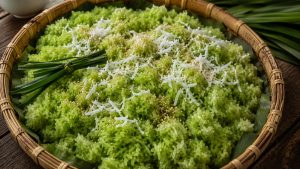
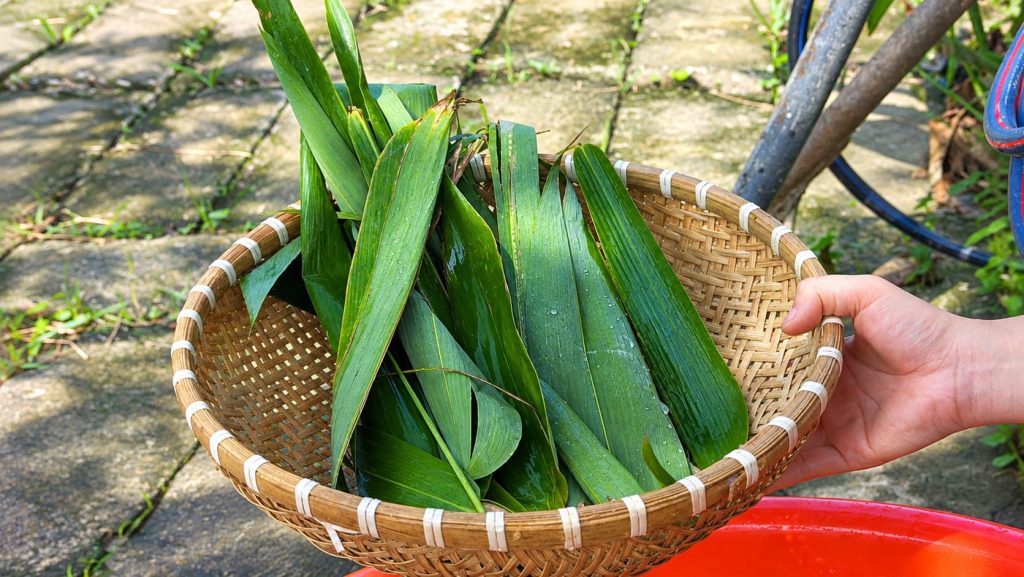
In many Southeast Asian kitchens, pandan leaves are used to add a beautiful aroma and natural green color to rice, desserts, drinks, and other traditional foods. One of my favorite ways to use them is in sticky rice. The fragrance fills the kitchen while the rice cooks, and the finished dish has a subtle sweetness that feels both simple and memorable.
If you have never cooked sticky rice with pandan before, don’t worry. The process is easy once you understand how to prepare the rice and extract the flavor from the leaves.
Ingredients for Pandan Sticky Rice
For a simple homemade version, you will need:
- 2 cups glutinous rice or sticky rice
- 8 to 10 fresh pandan leaves
- 1½ cups water
- ½ teaspoon salt
- 2 to 4 tablespoons sugar, depending on your taste
- Coconut milk, optional
Sticky rice is different from regular long-grain rice. It becomes soft and chewy after cooking and is the best choice for this recipe. Make sure you buy glutinous rice, sometimes labeled as sweet rice or sticky rice.
Fresh pandan leaves provide the best flavor and fragrance. If you cannot find fresh leaves, frozen pandan leaves can also work.
Step 1: Wash and Soak the Sticky Rice
Start by placing the sticky rice in a large bowl. Rinse it several times with clean water until the water becomes clearer.
Washing the rice helps remove excess surface starch and any dust that may remain from packaging.
After washing, cover the rice with water and soak it for at least four hours. For the best texture, you can soak it overnight.
Soaking is an important step because sticky rice needs time to absorb water before steaming. Properly soaked rice will cook more evenly and develop a soft, chewy texture.
After soaking, drain the rice well and set it aside.
Step 2: Prepare the Pandan Water
Wash the pandan leaves thoroughly under running water. Cut them into smaller pieces so they are easier to blend.
Place the chopped leaves in a blender with about 1½ cups of water. Blend until the leaves are broken down and the water turns green.
Next, strain the mixture through a fine strainer or clean cloth. Press the pandan pulp gently to extract as much liquid as possible.
You should now have fragrant green pandan water.
The color can vary depending on the freshness and amount of pandan leaves you use. Fresh leaves usually produce a brighter green color and a stronger aroma.
If you prefer a lighter color, you can use more water. If you want a deeper green shade and stronger pandan flavor, use more leaves.
Step 3: Season the Rice
Place the drained sticky rice in a large bowl.
Add the salt and sugar, then pour the pandan water over the rice. Mix everything gently until the rice is evenly coated.
At this point, the rice should already have a light green color.
Let the rice sit in the pandan water for another 30 minutes if you have time. This allows the grains to absorb more of the pandan fragrance.
Some cooks prefer to add coconut milk during the cooking process instead of mixing it into the rice at this stage. Both methods work well, so you can adjust the recipe based on your personal taste.
Step 4: Steam the Sticky Rice
Steaming is one of the best ways to cook pandan sticky rice because it helps preserve its soft but chewy texture.
Prepare a steamer and bring the water to a gentle boil.
Line the steaming basket with a clean steaming cloth if needed, then add the soaked rice. Spread it into an even layer rather than packing it tightly.
Place a few whole pandan leaves on top of the rice for extra fragrance.
Cover the steamer and cook for approximately 25 to 35 minutes.
The exact cooking time depends on the type of rice and how long it was soaked.
About halfway through cooking, carefully open the steamer and gently turn the rice. This helps it cook evenly.
If the rice feels dry, you can sprinkle a small amount of water or coconut milk over it before continuing to steam.
The rice is ready when the grains become soft, tender, and slightly translucent.
Adding Coconut Milk for a Richer Flavor
Pandan and coconut are a wonderful combination.
If you want richer and creamier sticky rice, warm about ½ cup of coconut milk with a small amount of sugar and salt.
When the rice is almost finished cooking, drizzle the coconut milk over the top. Gently mix it into the rice and steam for another five to ten minutes.
The coconut milk adds richness without overpowering the natural fragrance of the pandan.
You can make the dish sweeter by adding more sugar, but I recommend starting with a small amount. Pandan has a delicate aroma, and too much sugar can hide its natural flavor.
How to Serve Pandan Sticky Rice
Pandan sticky rice can be served warm or at room temperature.
For a simple presentation, place the cooked rice on a plate and top it with toasted sesame seeds or shredded coconut.
You can also serve it with:
- Fresh mango slices
- Sweetened coconut cream
- Toasted coconut flakes
- Sesame seeds
- Fresh fruit
- A small amount of sugar
Mango is especially delicious with pandan sticky rice. The sweetness and juiciness of ripe mango balance the chewy texture of the rice beautifully.
For a traditional-looking presentation, you can serve the rice on a banana leaf if one is available.
Tips for the Best Results
The most important tip is to use good-quality glutinous rice. Regular rice will not create the same chewy texture.
Fresh pandan leaves also make a noticeable difference. Their natural fragrance is stronger and more complex than artificial pandan flavoring.
Do not skip soaking the rice. If the grains are not properly soaked, the center may remain firm even after steaming.
Another useful tip is to avoid adding too much water during steaming. Sticky rice should be moist but not wet or mushy.
If you are making pandan sticky rice for the first time, keep the recipe simple. Once you become familiar with the flavor, you can experiment with coconut milk, fruit, sesame seeds, and other toppings.
Final Thoughts
Making sticky rice with pandan leaves is a simple way to bring a wonderful tropical fragrance into your kitchen. The combination of chewy sticky rice and naturally aromatic pandan creates a dish that feels both comforting and special.
You do not need complicated equipment or many ingredients. With sticky rice, fresh pandan leaves, water, and a little patience, you can make a delicious homemade treat that works for breakfast, dessert, or an afternoon snack.
Once you smell the warm fragrance of pandan rice steaming in your kitchen, you may find yourself wanting to make it again and again.