Cabbage slaw is one of those simple recipes I keep coming back to whenever I want to learn how to make cabbage slaw that is fresh, crisp, and comforting. I have made it for backyard barbecues, weeknight dinners, grilled chicken, tacos, and family gatherings. What I love most is how easy it is to adapt. With crunchy cabbage, a few fresh vegetables, and a flavorful dressing, you can create a side dish that feels homemade, colorful, and satisfying without spending hours in the kitchen.
1. What Is Cabbage Slaw?

Cabbage slaw is a simple side dish made primarily from shredded or thinly sliced cabbage. It is often combined with carrots and other fresh vegetables, then tossed with a flavorful dressing.
Many people think of slaw as the creamy side dish served at summer barbecues, but cabbage slaw can be much more versatile.
The dressing can be creamy, tangy, sweet, or light and refreshing. You can add apples for natural sweetness, green onions for a mild bite, fresh herbs for brightness, or a little jalapeño if you enjoy some heat.
At its heart, a good cabbage slaw is about combining crisp cabbage with a balanced dressing that brings all the ingredients together.
2. Ingredients You Will Need
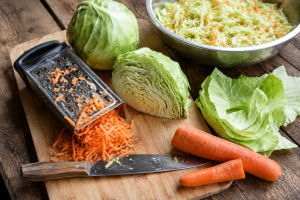
For a classic homemade cabbage slaw, I like to keep the ingredients simple.
For the Slaw
- ½ medium green cabbage
- 1 large carrot
- 2–3 green onions
- ¼ cup fresh parsley, optional
- ½ small red cabbage, optional
For the Creamy Dressing
- ½ cup mayonnaise
- 2 tablespoons apple cider vinegar
- 1 tablespoon fresh lemon juice
- 1 tablespoon honey or maple syrup
- 1 teaspoon Dijon mustard
- ¼ teaspoon salt
- ¼ teaspoon black pepper
You can easily adjust the dressing depending on how creamy, tangy, or sweet you prefer your slaw.
For a lighter version, replace some of the mayonnaise with plain Greek yogurt. You can also make a simple vinaigrette using olive oil, vinegar, lemon juice, honey, salt, and pepper.
3. How to Make Cabbage Slaw Step by Step
Prepare the Cabbage
Start by removing any damaged or tough outer leaves from the cabbage.
Cut the cabbage in half through the core. Place one half cut-side down on your cutting board and carefully remove the hard central core.
Use a sharp knife to slice the cabbage as thinly as possible. Thin slices are easier to eat and allow the dressing to coat every piece.
You can also use a food processor with a shredding attachment if you want to save time.
Shred the Carrot
Peel the carrot and shred it using a box grater or food processor.
Carrots add natural sweetness, bright color, and a pleasant texture to the slaw. I usually use one large carrot for a medium-sized cabbage, but you can add more if you prefer a sweeter flavor.
Add the Green Onions
Thinly slice the green onions and add them to the cabbage and carrots.
Green onions have a mild flavor that works beautifully in slaw. If you do not have them, you can use a small amount of finely sliced red onion instead.
Make the Dressing
In a separate bowl, combine mayonnaise, apple cider vinegar, lemon juice, honey, Dijon mustard, salt, and black pepper.
Whisk everything together until smooth.
I always recommend tasting the dressing before adding it to the vegetables. If it is too creamy, add a little more vinegar or lemon juice. If it tastes too tangy, add a little more honey.
The goal is a dressing with a pleasant balance of creamy, tangy, and slightly sweet flavors.
Combine Everything
Place the shredded cabbage, carrots, and green onions in a large bowl.
Pour about two-thirds of the dressing over the vegetables and toss gently using tongs or two large spoons.
Taste the slaw before adding more dressing. Depending on the size of your cabbage, you may not need all of it.
The cabbage should be coated evenly without becoming overly wet.
Let the Slaw Rest
Place the cabbage slaw in the refrigerator for about 15 to 30 minutes before serving.
This short resting time allows the flavors to blend together while the cabbage remains pleasantly crisp.
If you prefer an extra-crunchy texture, you can serve the slaw immediately after mixing.
4. How to Customize Cabbage Slaw
One of the things I love about cabbage slaw is how easy it is to make each batch a little different.
Add Red Cabbage
Red cabbage adds a beautiful purple color and slightly stronger flavor. Combining green and red cabbage creates an especially colorful side dish.
Add Fresh Apple
For a naturally sweet variation, add a crisp apple such as Granny Smith or Honeycrisp.
Slice the apple into thin matchsticks and toss it with a little lemon juice before adding it to the slaw.
Add Fresh Herbs
Fresh parsley, cilantro, dill, or mint can completely change the flavor.
Cilantro works especially well with tacos and grilled fish, while parsley and dill are wonderful with traditional barbecue meals.
Add a Little Heat
If you enjoy spicy food, add finely chopped jalapeño or a pinch of red pepper flakes.
You can also stir a small amount of hot sauce into the dressing.
5. How to Make a Lighter Cabbage Slaw
A creamy mayonnaise dressing is classic, but it is not your only option.
For a lighter version, combine olive oil, apple cider vinegar, lemon juice, honey, Dijon mustard, salt, and black pepper.
Whisk everything together and toss it with shredded cabbage, carrots, and green onions.
This vinegar-based version is bright, fresh, and particularly delicious during warmer months. I often serve it with grilled fish or chicken when I want a side dish that feels light and refreshing.
6. What to Serve with Cabbage Slaw

Cabbage slaw is incredibly versatile and pairs well with many meals.
It is a natural companion for barbecue dishes such as pulled pork, grilled chicken, ribs, and burgers.
It also works beautifully with tacos. The crisp cabbage provides a refreshing contrast to warm tortillas and savory fillings.
For a lighter dinner, serve cabbage slaw alongside grilled salmon or roasted chicken.
One of my favorite simple meals is a sandwich served with a bowl of cabbage slaw and some fresh fruit. It is easy, colorful, and satisfying without requiring a complicated recipe.
You can also spoon the slaw directly onto sandwiches, burgers, and tacos. If you plan to use it this way, slice the cabbage especially thinly so it is easier to eat.
7. How to Keep Cabbage Slaw Crisp
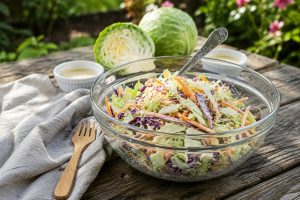
The key to keeping cabbage slaw crisp is controlling moisture.
After washing the cabbage, dry it thoroughly before mixing it with the dressing. Excess water can dilute the dressing and make the finished slaw less flavorful.
I also recommend adding the dressing shortly before serving if you are preparing the slaw several hours ahead.
For the best texture, store the shredded vegetables and dressing separately and combine them closer to mealtime.
This simple trick is especially useful when preparing slaw for a barbecue or family gathering.
8. How Long Does Cabbage Slaw Last?
Homemade cabbage slaw is best when served fresh, but leftovers can be refrigerated in an airtight container.
A creamy slaw may become softer as it sits because the cabbage naturally releases moisture into the dressing. The flavor can still be enjoyable, but the crisp texture will gradually decrease.
If you know you will have leftovers, consider storing the shredded vegetables and dressing separately. This allows you to mix only the amount you plan to eat.
Always use clean utensils when serving the slaw and keep leftovers refrigerated.
9. Common Mistakes to Avoid
One of the most common mistakes is adding too much dressing. A good cabbage slaw should be lightly and evenly coated rather than swimming in dressing.
Another mistake is slicing the cabbage too thickly. Thinly sliced cabbage creates a more delicate texture and makes the slaw easier to eat.
I also recommend tasting the dressing before mixing it with the vegetables. A few seconds of tasting and adjusting can make a noticeable difference in the final flavor.
Finally, do not be afraid to experiment. Cooking is not always about following exact rules. Once you understand the basic recipe, you can adjust the sweetness, acidity, herbs, and vegetables to suit your own taste.
10. Frequently Asked Questions
Can I make cabbage slaw ahead of time?
Yes. You can prepare the vegetables several hours ahead and refrigerate them. For the best texture, keep the dressing separate and combine everything shortly before serving.
Can I use bagged shredded cabbage?
Absolutely. Bagged shredded cabbage or coleslaw mix is a convenient shortcut when you are short on time.
Is cabbage slaw the same as coleslaw?
The terms are often used interchangeably. Coleslaw traditionally refers to a shredded cabbage salad, while “slaw” can describe similar dishes made with other vegetables.
Can I make cabbage slaw without mayonnaise?
Yes. A vinegar-based dressing made with olive oil, lemon juice, honey, and mustard is a delicious alternative to mayonnaise.
Why is my cabbage slaw watery?
Cabbage naturally releases water, especially after it has been mixed with dressing. To reduce excess liquid, dry the cabbage thoroughly and avoid adding more dressing than necessary.
Final Thoughts
Learning how to make cabbage slaw is one of those simple kitchen skills that can serve you for years. Once you know how to combine crisp cabbage, fresh vegetables, and a balanced dressing, you can create countless variations.
I still love the classic combination of green cabbage, carrots, green onions, and creamy dressing. But depending on the meal, I might add red cabbage, fresh apple, herbs, or a bright vinegar dressing.
That is what makes cabbage slaw special. It is simple enough for an ordinary weeknight dinner but delicious enough for a family barbecue or summer gathering.
The next time you have a head of cabbage in your refrigerator, slice it thin, add a few fresh ingredients, and make a dressing you love. Give everything a little time to come together, and you may discover that one of the simplest dishes on your table becomes the one everyone reaches for first.