While fresh longan is undoubtedly one of the most delightful tropical treats of summer, its shelf life is notoriously short. Once harvested, fresh longans quickly lose moisture and can spoil at room temperature.
For centuries, culinary traditions across Asia have developed practical ways to preserve this fruit and enjoy its distinctive flavor throughout the year.
Among these methods, drying longan and using it in nourishing sweet soups (tong sui) remain both practical and delicious.
Whether you want to preserve an abundant harvest or explore traditional Asian dessert-making, learning how to dry longan and prepare comforting sweet soups can be a rewarding culinary experience. This guide walks you through simple steps for drying longan at home and making a traditional sweet soup with dried longan.
Understanding the Importance of Ingredient Selection
Before getting started, the quality of the longan plays an important role in the final result. Choose plump, ripe, and naturally sweet longans for the best flavor and texture.
Immature fruit may not contain enough natural sugar to develop a rich flavor during drying, while overripe fruit can ferment or spoil more easily during dehydration. Look for longans with firm, intact brown shells without cracks or signs of mold. When opened, the flesh should be translucent, juicy, and firm.
Part 1: How to Dry Longan at Home
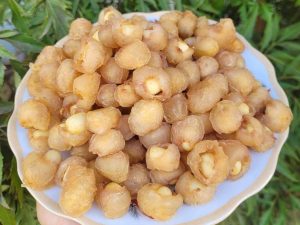
Drying longan concentrates its natural sugars and transforms the juicy flesh into a chewy, flavorful ingredient known as long an gan, or dried longan pulp. Dried longan is widely used in Asian cooking, particularly in desserts, sweet soups, and traditional recipes.
1. Preparation and Shell Removal
- Sort the fruit: Start by sorting through the longans. Discard any bruised, cracked, moldy, or damaged fruit to reduce the risk of spoilage during drying.
- Peel the longans: Gently crack open the outer shell and remove the translucent flesh. Carefully remove the dark seed from the center. Longans can also be dried whole with the shell and seed intact, which is a traditional method often associated with sun-drying or smoking. However, removing the shell and seed first produces a cleaner, more convenient ingredient and allows the fruit to dry more quickly in modern kitchen appliances.
2. Dehydration Methods
You can dry longan using either a food dehydrator or a conventional oven.
Using a Food Dehydrator
- Arrange the pitted longan flesh in a single layer on the dehydrator trays. Leave enough space between the pieces to allow air to circulate properly.
- Set the dehydrator to approximately 135°F (57°C).
- Dehydrate for about 12 to 18 hours, checking the fruit periodically.
- The longan is ready when it has turned dark brown and has a leathery, chewy texture without visible moisture.
Using a Conventional Oven
- Line a baking sheet with parchment paper and arrange the pitted longan pieces in a single layer.
- Set the oven to its lowest practical temperature, ideally between 140°F and 170°F.
- If your oven has a convection setting, use it to improve air circulation.
- Leave the oven door slightly open, if appropriate for your oven, to help moisture escape.
- Dry the longan for approximately 8 to 14 hours, turning the pieces occasionally for more even drying.
- The finished fruit should be dark, chewy, and evenly dried without remaining wet spots.
3. Storage and Preservation
Allow the dried longan to cool completely before storing it. Place the fruit in clean, dry glass jars or vacuum-sealed bags, making sure there is no trapped moisture.
Store dried longan in a cool, dark, and dry place. Properly dehydrated fruit can keep for an extended period when protected from moisture and heat. For longer storage, keep it in the refrigerator or freezer.
Part 2: Making Traditional Longan Sweet Soup (Tong Sui)
In Chinese and Vietnamese culinary traditions, sweet soups, commonly known as tong sui, are enjoyed as comforting desserts and traditional homemade treats. Dried longan is especially popular because it adds a naturally sweet, caramel-like flavor and a pleasant chewy texture to the broth.
Classic Red Date, Lotus Seed, and Longan Sweet Soup
This classic combination brings together dried longan, red dates, and lotus seeds in a lightly sweet, aromatic broth. It can be enjoyed warm or chilled, depending on the season.
Ingredients
- 1 cup dried longan pulp
- 1/2 cup dried lotus seeds, soaked and cored
- 10–12 red dates (jujubes)
- 4–6 cups filtered water
- Rock sugar or honey, to taste
- Optional: Fresh pandan leaves for aroma
- Optional: Dried white fungus (Tremella fuciformis) for added texture
Step-by-Step Instructions
- Prepare the ingredients: Rinse the dried longan, red dates, and soaked lotus seeds thoroughly under cool running water. Make a small slit in each red date to help release its flavor during cooking.
- Simmer the lotus seeds: Place the lotus seeds and 4 cups of water in a medium saucepan. Bring the water to a boil, then reduce the heat to low. Cover and simmer for about 20 to 30 minutes, or until the lotus seeds begin to soften.
- Add the longan and red dates: Add the dried longan and red dates to the pot. If using pandan leaves, add them at this stage as well. If the liquid has reduced significantly, add another cup of warm water.
- Cook gently: Cover the pot and continue simmering over low heat for another 40 to 50 minutes. Slow cooking allows the ingredients to soften and their flavors to blend, creating a fragrant, golden-amber broth with natural sweetness.
- Sweeten and serve: Add rock sugar according to your taste and simmer for another 5 minutes, or until the sugar has completely dissolved. Remove the pot from the heat and discard the pandan leaves before serving.
This sweet soup can be served warm on chilly evenings or chilled in the refrigerator during hot summer weather. By learning how to dry and cook with longan fruit at home, you can preserve this tropical fruit…