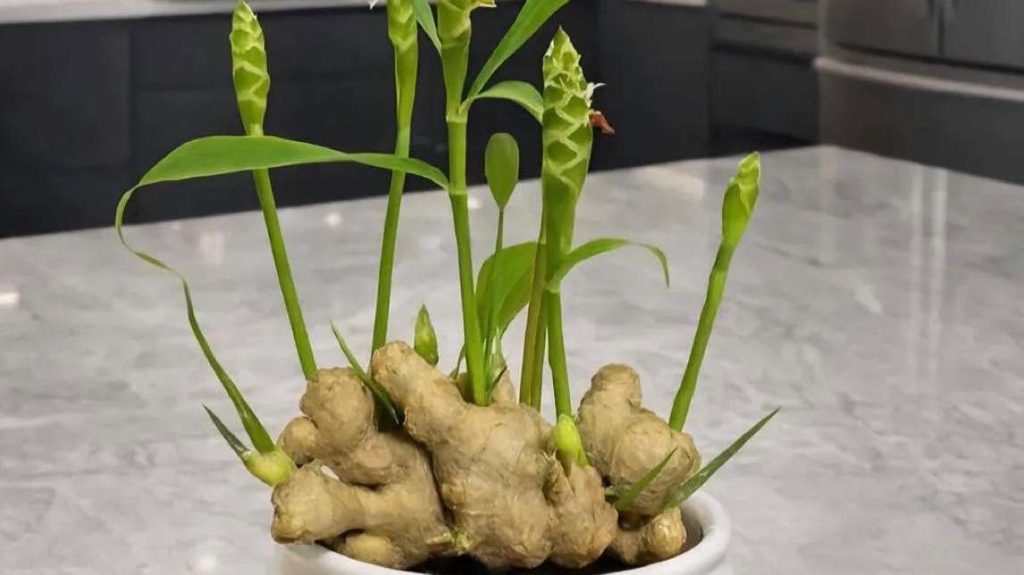
Harvesting turmeric is relatively simple, but timing matters. If you harvest too early, the rhizomes may be smaller and less developed. If you wait until the plant has completed its natural growth cycle, you can usually enjoy a larger and more mature harvest.
When Is Turmeric Ready to Harvest?
Turmeric generally takes about 7 to 10 months to reach maturity, depending on the variety, climate, soil quality, and growing conditions. In warm, tropical climates, turmeric may grow faster, while plants grown in cooler areas may take longer.
The most reliable way to know when turmeric is ready is to observe the plant above the ground.
During the active growing season, turmeric produces large, green leaves. As the growing season comes to an end, the leaves gradually begin to turn yellow and then brown. The stems may become weaker, and the entire plant eventually starts to dry out.
When most of the leaves have naturally yellowed or dried, the plant is usually ready for harvesting.
If you are growing a turmeric plant, avoid harvesting simply because the plant has reached a certain number of months. Instead, consider both the growing time and the appearance of the plant.
Signs That Turmeric Is Ready
There are several signs that indicate turmeric rhizomes may be mature enough to harvest.
Yellowing Leaves
Healthy turmeric leaves are normally bright green during active growth. Near the end of the season, they gradually turn yellow.
This natural color change is one of the most useful signs that the rhizomes underground are approaching maturity.
Drying Stems
After the leaves begin turning yellow, the stems may also start to dry and weaken. The plant will no longer look as vigorous as it did during the summer growing season.
This is usually a natural part of the plant’s life cycle rather than a problem, especially when it occurs at the end of the growing season.
Dormancy
Eventually, the leaves and stems may die back almost completely. This means the plant is entering dormancy.
At this stage, the rhizomes beneath the soil have generally had enough time to mature and can be harvested.
What Is the Best Time to Harvest Turmeric?
The best harvest time depends on how you intend to use your turmeric.
For mature turmeric that you want to store for a longer period or turn into powder, it is generally best to wait until the plant has completed its growing cycle. Once the leaves have mostly dried and the plant has entered dormancy, the rhizomes are usually fully developed.
For fresh turmeric, you can sometimes harvest younger rhizomes before the plant completely dies back. Young turmeric may have a softer texture and a milder flavor.
If you want larger rhizomes, give the plant as much time as possible to grow before harvesting. A longer growing season allows the underground rhizomes to increase in size.
Gardeners in colder climates should pay close attention to the weather. Turmeric is a tropical plant and does not tolerate freezing temperatures. If frost is expected, harvest the rhizomes before temperatures drop too low.
How to Harvest Turmeric
Harvesting turmeric requires only a few simple gardening tools. A hand trowel, garden fork, or small shovel is usually enough.
First, cut back the dry leaves and stems. This makes the base of the plant easier to access.
Next, gently loosen the soil around the plant. Start a few inches away from the main stem to reduce the risk of damaging the rhizomes.
Insert your garden fork or shovel into the soil and carefully lift the plant. Try not to push the tool directly into the center of the root cluster.
Once the soil has been loosened, gently pull the plant from the ground. The turmeric rhizomes should come out attached to the underground root system.
Shake away loose soil and inspect the harvested rhizomes. Separate healthy, firm pieces from any that are damaged, soft, or showing signs of rot.
Take your time when harvesting because fresh turmeric rhizomes can break easily.
How to Clean Fresh Turmeric
After harvesting, remove as much loose soil as possible by hand.
Rinse the rhizomes with clean water to remove remaining dirt. A soft vegetable brush can be used to gently clean the surface.
Once washed, place the turmeric in a well-ventilated area and allow it to dry naturally.
If you plan to store fresh turmeric, make sure the outside of the rhizomes is dry before placing them in a container. Excess moisture can increase the risk of mold and spoilage.
How to Store Turmeric After Harvesting
Fresh turmeric can be stored in the refrigerator for short-term use. Keep the rhizomes dry and store them in an appropriate container or bag.
For longer storage, you can freeze fresh turmeric. Frozen rhizomes can be grated or sliced whenever you need them for cooking.
Another option is to dry turmeric. Slice the cleaned rhizomes into thin pieces and dry them thoroughly. Once completely dry, the pieces can be ground into turmeric powder.
Store homemade turmeric powder in an airtight container in a cool, dark place to help maintain its quality.
Can You Harvest Turmeric Early?
Yes, turmeric can sometimes be harvested before the plant reaches full maturity. Young turmeric rhizomes are often smaller and more tender than mature ones.
Some gardeners prefer harvesting young turmeric for fresh cooking because it has a milder flavor and softer texture.
However, if your goal is to produce larger rhizomes or make turmeric powder, waiting until the plant naturally dies back is usually the better choice.
Can You Harvest Turmeric Without Removing the Whole Plant?
In warm climates, it may be possible to harvest part of the rhizome while leaving the rest of the plant in the soil.
Carefully remove a small section from the edge of the rhizome cluster and cover the remaining portion with soil. This can allow the plant to continue growing.
However, this method requires care to avoid damaging the remaining rhizomes. For a complete harvest, it is usually easier to wait until the end of the growing season and dig up the entire plant.
Save Rhizomes for Next Year’s Crop
One of the benefits of growing turmeric is that you can save part of your harvest for future planting.
Choose healthy, firm rhizomes with visible buds. Avoid pieces that are soft, damaged, or moldy.
Store the planting rhizomes in a cool, dry location where they are protected from freezing temperatures. When the weather warms and the soil is suitable for planting, these rhizomes can be planted again.
By saving part of your harvest, you can continue growing turmeric year after year without having to purchase new planting material every season.
Final Thoughts
Knowing when to harvest turmeric is mainly about understanding the plant’s natural growth cycle. In most cases, mature turmeric is ready when the leaves turn yellow, the stems begin to dry, and the plant enters dormancy.
Carefully loosen the soil with a garden fork or shovel and lift the rhizomes without damaging them. Clean and dry the harvested turmeric before storing it in the refrigerator, freezer, or as dried powder.
For the best results, be patient and allow the plant to complete most of its natural growing cycle. With proper timing and careful harvesting, you can enjoy fresh turmeric from your own garden and save healthy rhizomes to grow another crop next season.