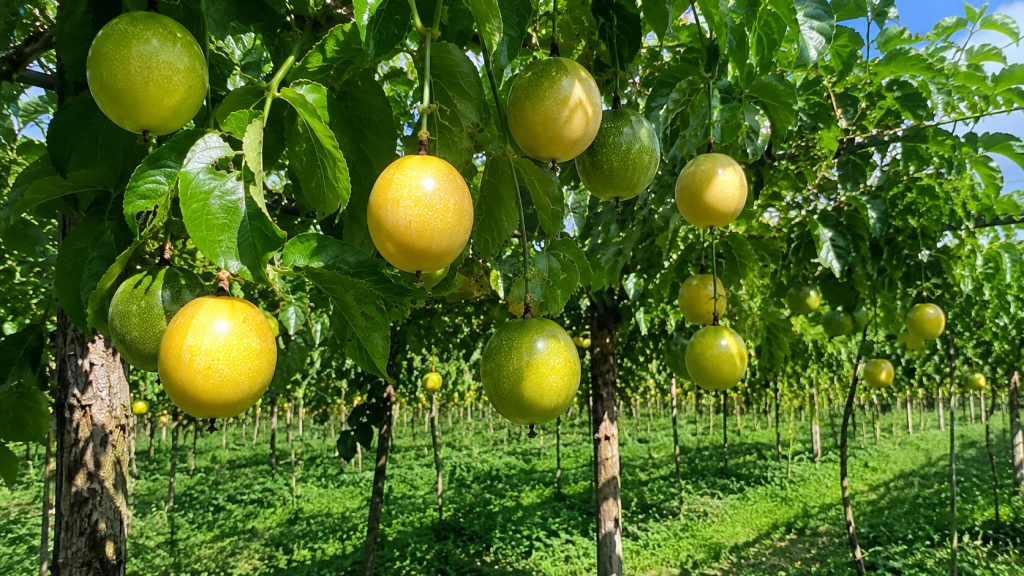
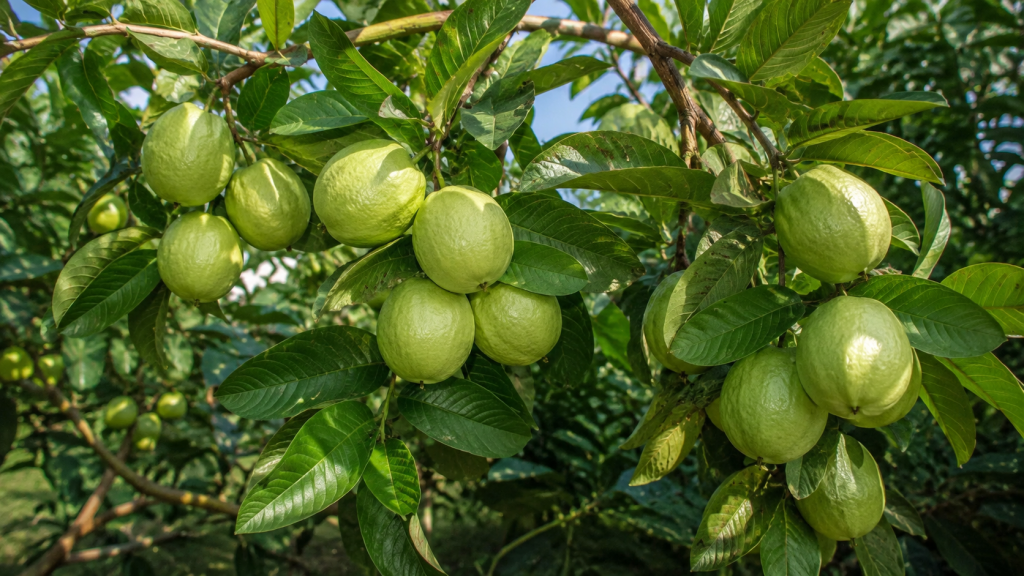
Guava is a delicious tropical fruit known for its sweet flavor, fragrant aroma, and impressive nutritional value. Often called guava fruit, this popular fruit can have green or yellow skin and flesh that ranges from white and pink to deep red, depending on the variety. Some guavas are crisp and mildly sweet, while others become soft, juicy, and intensely fragrant when fully ripe.
Guava fruit is enjoyed fresh and can also be used to make smoothies, juices, jams, desserts, and fruit salads. In addition to its delicious taste, guava is valued for its vitamin C, dietary fiber, and other beneficial nutrients. The guava tree is also relatively easy to grow in warm climates, making it a popular choice for home gardeners in tropical and subtropical regions.
In this guide, you’ll learn what guava is, its nutritional benefits, popular varieties, and how to grow and care for a guava tree. You’ll also discover when guavas ripen, how to tell when guava fruit is ready to eat, and the best ways to enjoy and store this tropical fruit.
Table of Contents
- 1. What Is Guava?
- 2. Guava Nutrition and Health Benefits
- 3. Popular Types and Varieties of Guava
- 4. How to Grow a Guava Tree
- 5. How Much Sun Does a Guava Tree Need?
- 6. How Often Should You Water a Guava Tree?
- 7. When Do Guavas Ripen?
- 8. How to Tell If a Guava Is Ripe
- 9. How to Eat and Store Guava Fruit
- Conclusion
- Frequently Asked Questions About Guava
1. What Is Guava?
Guava is a tropical fruit that grows on guava trees belonging to the Psidium genus in the Myrtaceae family. The most widely known species is the common guava, scientifically called Psidium guajava.
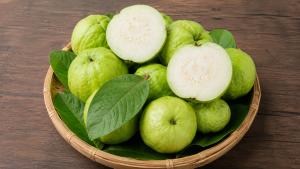
Guava fruit is usually round, oval, or slightly pear-shaped. The skin may remain green or turn yellow as the fruit matures. Inside, the flesh can be white, cream, pink, or red, depending on the variety.
One of the most distinctive characteristics of guava is its strong, pleasant fragrance. A ripe guava can fill the surrounding area with a sweet tropical aroma that makes it easy to recognize.
The flavor of guava varies between varieties. Some have a mild, refreshing sweetness, while others are rich and intensely sweet. The texture can also range from firm and crunchy to soft and juicy.
Guava fruit can be eaten with the skin and seeds. However, some people prefer to remove the skin or seeds depending on the variety and their personal preference.
Guava trees grow best in warm climates and are widely cultivated in tropical and subtropical regions around the world. With the right growing conditions, a healthy guava tree can produce fruit for many years.
2. Guava Nutrition and Health Benefits
Guava is considered a nutritious tropical fruit and can be a healthy addition to a balanced diet. It provides several important nutrients, including vitamin C, dietary fiber, vitamin A, folate, and potassium.
One of the most notable nutritional benefits of guava is its high vitamin C content. Vitamin C is an essential nutrient that supports normal immune function and helps the body produce collagen.
Guava also contains dietary fiber, which plays an important role in digestive health. Including fiber-rich foods such as fruits, vegetables, and whole grains in the diet can help support normal digestion and regular bowel movements.
Rich in Vitamin C
Guava is especially well known for its vitamin C content. This essential nutrient contributes to normal immune system function and helps protect cells from oxidative stress.
A Good Source of Fiber
Eating guava fruit can contribute to daily fiber intake. Fiber is important for maintaining healthy digestion and can help you feel satisfied after eating.
Contains Antioxidant Compounds
Guava contains vitamin C and various natural plant compounds with antioxidant properties. Antioxidants help protect the body’s cells from oxidative stress.
Provides Important Nutrients
In addition to vitamin C and fiber, guava provides nutrients such as folate, potassium, and vitamin A. The exact nutritional content varies depending on the variety and serving size.
While guava offers many nutritional benefits, it is best enjoyed as part of a varied and balanced diet. No single fruit can provide every nutrient the body needs.
3. Popular Types and Varieties of Guava
There are many different types of guava grown around the world. Varieties can differ in fruit size, skin color, flesh color, flavor, aroma, and texture.
Pink Guava
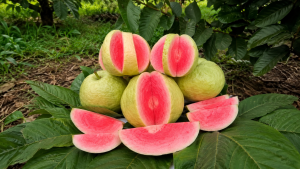
Pink guava is one of the most popular types of guava fruit. The flesh can range from light pink to deep pink or reddish, depending on the variety.
Pink guavas are often sweet, juicy, and highly fragrant. They are commonly eaten fresh or used to make juices, smoothies, jams, and desserts.
White Guava
White guava has pale white or creamy flesh. Many varieties have a crisp texture and a refreshing flavor.
White guavas are often enjoyed fresh and can be sliced into salads or eaten as a simple snack.
Red Guava
Red guava varieties have pinkish-red to deep red flesh. Their attractive color makes them popular for juices, purees, desserts, and other recipes.
Some red-fleshed varieties have a rich, sweet flavor and strong tropical aroma.
Apple Guava
Apple guava is a common name associated with the common guava. The fruit is generally round or oval and develops a sweet flavor and pleasant fragrance when ripe.
It is one of the types of guava commonly grown in warm climates and home gardens.
4. How to Grow a Guava Tree
Growing a guava tree can be rewarding, especially if you live in a warm climate.
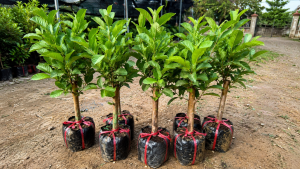
Start by choosing a healthy guava plant from a reliable nursery. Select a sunny location with enough space for the tree to grow to its mature size.
Guava trees prefer warm temperatures and plenty of sunlight. Choose a planting location that receives direct sun for most of the day.
When planting a guava tree, dig a hole that is wider than the tree’s root ball. Place the tree in the hole at approximately the same depth at which it was growing in its original container.
Fill the hole with soil and water thoroughly after planting.
Adding compost or other organic matter to poor soil can help improve soil structure and support healthy root development.
Young guava trees need regular watering as they become established. Once established, mature trees are generally more tolerant of short periods of dry weather.
Pruning can also help maintain a manageable shape and encourage good air circulation around the branches.
If you are growing guava in a container, choose a large pot with drainage holes. Container-grown guava trees need plenty of sunlight and regular attention to watering and nutrition.
5. How Much Sun Does a Guava Tree Need?
Guava trees grow best in full sun.
A guava tree should ideally receive at least 6 hours of direct sunlight each day. Providing plenty of sunlight helps support healthy growth, flowering, and fruit production.
When planting guava outdoors, choose an open location that is not heavily shaded by buildings, fences, or larger trees.
If a guava tree does not receive enough sunlight, it may produce weaker growth and fewer flowers or fruits.
Container-grown guava trees should be placed in the sunniest suitable location available. You can move the container if necessary to ensure the plant receives enough direct sunlight throughout the growing season.
Good air circulation is also helpful. Avoid placing the tree in an overcrowded location where branches are constantly surrounded by dense vegetation.
6. How Often Should You Water a Guava Tree?
Watering needs depend on the tree’s age, soil type, weather, and growing conditions.
Newly planted guava trees need consistent moisture while their root systems become established. Water deeply when the top layer of soil begins to dry.
During hot or dry weather, guava trees may need more frequent watering. Mature trees are generally more tolerant of dry conditions, but consistent moisture can be especially important during flowering and fruit development.
Avoid overwatering. Guava trees do not perform well when their roots remain in constantly waterlogged soil.
Well-draining soil is essential for healthy root growth. If water collects around the base of the tree after rainfall or irrigation, improve drainage or adjust your watering routine.
Applying a layer of organic mulch around the tree can help retain soil moisture and reduce evaporation. Keep the mulch a few inches away from the trunk to prevent excessive moisture from accumulating directly against the bark.
The best approach is to check the soil regularly rather than watering according to a strict schedule. Water when the soil begins to dry, while avoiding both extreme dryness and constantly wet conditions.
7. When Do Guavas Ripen?
The timing of guava ripening depends on the variety, climate, and growing conditions.
In warm tropical and subtropical regions, guava trees may produce fruit at different times throughout the year. Some trees can have flowers, young fruit, and ripe guavas at the same time.
After flowering, the fruit gradually increases in size as it develops. As it approaches maturity, the skin may begin to change color and the fruit develops a stronger fragrance.
The exact time required for guava fruit to mature can vary between varieties. Weather conditions, sunlight, water, and the overall health of the tree can also influence fruit development.
If you grow guava at home, observe the fruit regularly as it approaches maturity. Harvesting at the right stage can help you enjoy better flavor and texture.
Some guavas can be harvested when they are mature but still firm and allowed to finish ripening at room temperature. Others are best enjoyed when they have developed a softer texture and stronger aroma.
8. How to Tell If a Guava Is Ripe
Knowing how to tell when guava fruit is ripe is important because the flavor and texture can change significantly as the fruit matures.
One of the easiest ways to check a guava is by looking at its color. Depending on the variety, the skin may change from bright green to a lighter green, yellow-green, or yellow as the fruit ripens.
The smell is another useful sign. A ripe guava usually develops a noticeable, sweet, tropical fragrance. If the fruit has little or no aroma, it may still need more time to ripen.
You can also gently press the fruit with your fingers. A ripe guava often feels slightly soft when gently squeezed. However, avoid pressing too hard because ripe guava can bruise easily.
Here are some common signs of a ripe guava:
- The skin becomes lighter or changes color.
- The fruit develops a strong, pleasant fragrance.
- The fruit feels slightly soft when gently pressed.
- The flavor becomes sweeter and more aromatic.
If you prefer a firmer texture, you can eat guava when it is mature but not completely soft. For a softer and sweeter eating experience, allow the fruit to ripen further.
Once fully ripe, guava should be eaten relatively soon or stored in the refrigerator to slow down further ripening.
9. How to Eat and Store Guava Fruit
Guava fruit is one of the easiest tropical fruits to enjoy. Before eating, wash the fruit thoroughly under clean running water.
Depending on the variety and your preference, you can eat guava whole, slice it into pieces, or cut it in half and scoop out the flesh.
The skin and seeds of guava are generally edible. However, some people prefer to remove them because the seeds can have a firm or crunchy texture.
Fresh guava can be enjoyed as a snack or added to a variety of dishes.
Popular ways to eat guava include:
- Eating it fresh and sliced
- Adding it to fruit salads
- Blending it into smoothies
- Making fresh guava juice
- Adding it to yogurt
- Using it in jams and jellies
- Making guava puree
- Adding it to desserts and baked goods
To store unripe guava, leave it at room temperature until it reaches the desired level of ripeness. Once the fruit becomes ripe, placing it in the refrigerator can help slow the ripening process.
Ripe guavas should be stored in the refrigerator and enjoyed while they are still fresh and flavorful. Cut guava should be placed in a covered container and refrigerated.
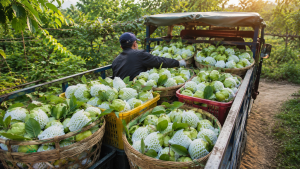
If you have a large harvest from a guava tree, you can also preserve the fruit by making juice, puree, jam, or other homemade products.
Conclusion
Guava, also known as guava fruit, is a delicious tropical fruit valued for its sweet flavor, distinctive fragrance, and impressive nutritional profile. With varieties ranging from white-fleshed to pink and red-fleshed guavas, there are many options for gardeners and fruit lovers to enjoy.
Guava is also a nutritious choice, providing vitamin C, dietary fiber, and other essential nutrients. When eaten as part of a balanced diet, this tropical fruit can be a flavorful way to add more variety to your meals and snacks.
For home gardeners living in warm climates, growing a guava tree can be a rewarding experience. With plenty of sunlight, well-draining soil, appropriate watering, and regular care, a healthy guava tree can produce delicious fruit for years.
Whether you enjoy guava fresh, blend it into a smoothie, or grow your own tree, guava fruit is a versatile tropical favorite that deserves a place in both the garden and the kitchen.
Frequently Asked Questions About Guava
1. Is guava a healthy fruit?
Yes. Guava is a nutritious tropical fruit that provides vitamin C, dietary fiber, vitamin A, folate, potassium, and antioxidant compounds. It can be a healthy addition to a balanced and varied diet.
2. Can you eat guava skin and seeds?
Yes. Both the skin and seeds of guava are generally edible. The skin can be eaten after washing the fruit thoroughly, while the seeds are small but may have a firm or crunchy texture.
3. What does guava fruit taste like?
The taste of guava depends on the variety and ripeness. Ripe guava is usually sweet and fragrant, with a tropical flavor that may have notes of pear, strawberry, or other tropical fruits. Some varieties are crisp, while others are soft and juicy.
4. How do you know when a guava is ripe?
A ripe guava often develops a stronger fragrance, lighter skin color, and slightly soft texture when gently pressed. The exact appearance depends on the variety, as some guavas remain green even when ripe.
5. Can guava grow in a pot?
Yes. Guava can be grown in a large container, especially smaller or compact varieties. Choose a pot with good drainage and place the plant in a sunny location where it can receive plenty of direct sunlight.
6. How long does it take for a guava tree to produce fruit?
The time varies depending on the variety and how the tree was propagated. Guava trees grown from seed may take several years to produce fruit, while grafted or nursery-grown trees can often fruit sooner under suitable growing conditions.
7. Does guava need full sun to grow?
Yes. Guava trees grow best in full sun and generally need at least 6 hours of direct sunlight each day. Good sunlight supports healthy growth, flowering, and fruit production.
gardenguidehub.com