Apples are one of the most rewarding fruits to grow at home. I’ve learned that healthy trees depend on the right variety, good sunlight, proper watering, pruning, and pollination. Harvesting at the right time also matters for flavor and storage. In this guide, I’ll share simple lessons for growing, caring for, harvesting, and storing fresh apples.
What Are Apples?
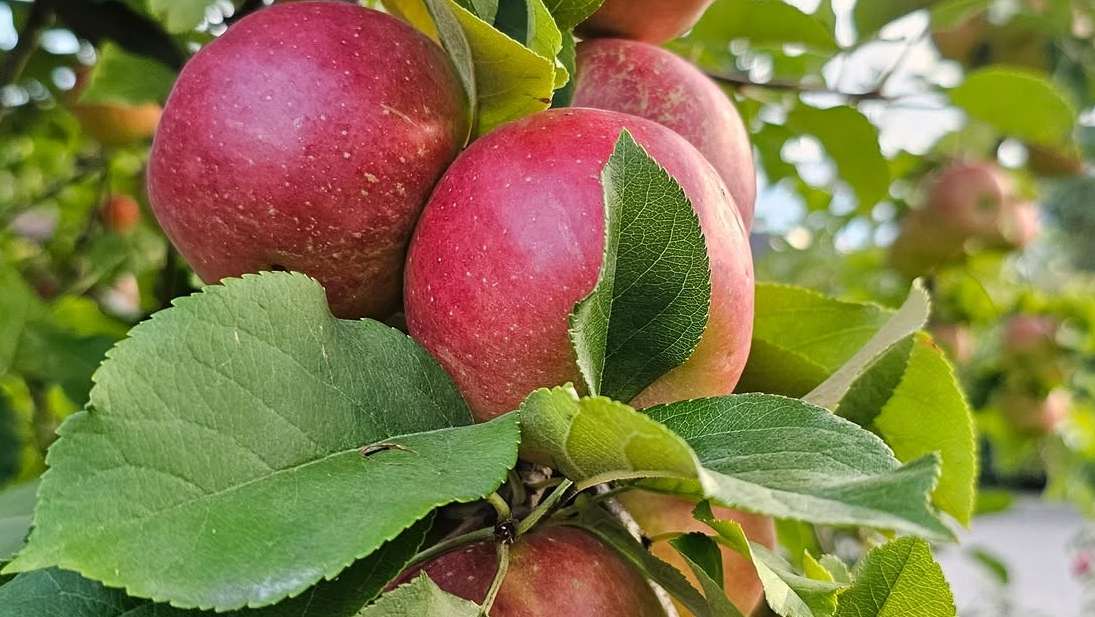
Apples are the fruit of trees in the genus Malus. They come in many shapes, colors, sizes, and flavors, from very sweet to distinctly tart.
Some apples are better for eating fresh, while others are especially good for baking, making applesauce, drying, or cooking. Popular varieties include Honeycrisp, Gala, Fuji, Granny Smith, McIntosh, Pink Lady, and many others.
One thing I quickly learned is that choosing the right variety is just as important as learning how to care for the tree. A variety that performs well in one climate may struggle in another.
Apples also have a long harvest and storage tradition. Depending on the variety, apples can be eaten shortly after picking or stored for later use. Their versatility is one reason I think every suitable home orchard should have at least one apple tree.

Choosing the Right Apple Variety
Before planting an apple tree, I would spend more time choosing the variety than choosing almost anything else.
Apple varieties differ in cold tolerance, harvest time, disease resistance, size, flavor, and storage ability. The rootstock also affects the eventual size and productivity of the tree.
For a small backyard, dwarf or semi-dwarf trees can be easier to manage. They are generally easier to prune, thin, spray when necessary, and harvest than very large trees.
When choosing a variety, I would consider:
- Your local climate and winter temperatures
- Available space
- Desired fruit flavor
- Harvest season
- Disease resistance
- Whether you want fresh-eating or cooking apples
- Storage life
- Whether another compatible variety is needed for pollination
I have found that a tree that fits the location is usually much easier to manage than one chosen simply because the fruit looks attractive at the nursery.

Where to Plant Apple Trees
Sunlight is one of the first things I look for.
Apple trees perform best in a location with plenty of direct sunlight. A sunny site also helps the foliage and fruit dry more quickly after rain or morning dew, which can reduce conditions favorable to some diseases.
I avoid low areas where water stays after heavy rain. Good drainage is important because constantly wet soil can create problems for roots.
A good planting site should have:
- Plenty of direct sunlight
- Good soil drainage
- Enough room for the mature tree
- Good air movement
- Protection from strong prevailing winds
- Adequate space around the canopy
One mistake I see beginners make is planting a young apple tree where it looks comfortable today but will be crowded once it becomes mature. Think about the tree five or ten years from now, not just the small plant in front of you.
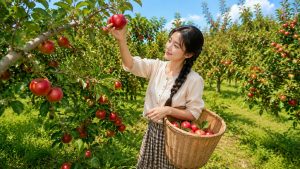
How Long Does It Take for an Apple Tree to Produce Fruit?
An apple tree usually needs several years before producing a worthwhile crop. The exact time depends on the variety, rootstock, age, climate, and growing conditions. From my experience, grafted dwarf trees often fruit earlier than larger trees. Give young trees time to build strong roots and healthy branches before expecting a large harvest.
How to Plant Apple Trees
I prefer planting apple trees when the weather is suitable for root establishment rather than during periods of extreme heat or drought.
Start by digging a planting hole wide enough to accommodate the root system without forcing or bending the roots. The tree should sit at approximately the same depth it was growing before planting.
Be careful with the graft union on grafted trees. It should remain above the soil rather than being buried.
After planting, water the tree thoroughly so the soil settles around the roots. A layer of mulch around the root zone can help conserve moisture, but I keep mulch away from direct contact with the trunk.
For a young tree, establishing a healthy root system is more important to me than trying to get fruit immediately.
Watering Apple Trees
Young apple trees need consistent moisture while they are becoming established. Established trees are more resilient, but they still need water during dry periods, especially while fruit is developing.
Instead of watering a little every day, I prefer watering deeply when the soil needs it. The goal is to encourage moisture deeper into the root zone rather than keeping only the surface wet.
Watch the soil and the weather rather than following a rigid schedule.
During hot, dry periods, I pay particular attention to young trees. Their smaller root systems can dry out much faster than those of mature trees.
At the same time, I avoid keeping the soil constantly saturated. Good drainage is just as important as supplying enough water.
Feeding Apple Trees
Apple trees need nutrients to produce healthy growth and fruit, but more fertilizer is not automatically better.
Nitrogen is an important nutrient for apple trees, while phosphorus and potassium can also be important, particularly during early development. Nutritional needs are best judged through soil or plant analysis together with observations of tree growth.
One lesson I learned the hard way is not to push a fruit tree into excessive leafy growth.
A tree that grows vigorously but produces little fruit may not need more fertilizer. Excessive vigor can actually work against fruit production. Penn State notes that overfertilization and overpruning are common reasons home fruit trees become overly vigorous and fail to produce well.
I would rather see balanced growth than a tree covered in long, soft shoots.
How to Prune Apple Trees
Pruning apple trees helps create a strong structure, improve sunlight, and increase airflow. I usually prune during late winter or early spring while the tree is dormant. I remove dead, broken, diseased, crossing, and poorly positioned branches first. I avoid heavy pruning because it can encourage excessive new growth. For young trees, I focus on developing a balanced, manageable framework.
Apple Tree Pollination
Pollination is something I didn’t appreciate enough when I first started growing fruit trees.
Many apple trees benefit from cross-pollination with a compatible variety that blooms at a similar time. Bees and other insects move pollen between flowers, helping fruit develop.
Penn State Extension notes that pollinators such as honey bees and solitary bees play an important role in apple production.
If you are planting a new apple tree, check whether the variety is self-fruitful or whether another compatible apple variety is recommended nearby.
During flowering, I also try to avoid unnecessary pesticide use that could harm pollinating insects.
A tree covered in beautiful blossoms is not enough. Those flowers need successful pollination if you want a good crop.

Thinning Apples for Better Fruit
Sometimes an apple tree produces more young fruit than it can support properly.
It can be tempting to leave every tiny apple because more fruit seems like a bigger harvest. In practice, overcrowded fruit can lead to smaller apples and can contribute to irregular production from year to year.
Hand-thinning can improve fruit size and quality. University of Minnesota guidance recommends thinning when apples are around half an inch in diameter and leaving roughly one or two apples every six inches.
I know it feels strange to remove healthy young fruit, especially after waiting so long for the tree to produce. But this is one of those jobs where accepting a smaller number of fruits can help produce a better harvest.
Common Apple Tree Problems
Apple trees can suffer from pests, diseases, poor pollination, drought, and weather damage. I regularly check leaves, young fruit, branches, bark, and fallen apples for unusual spots, insects, or rot. Good pruning improves airflow and sunlight, helping reduce disease pressure. I also remove damaged fruit quickly, especially before harvest, because some infections can develop later during storage.
When to Harvest Apples
Knowing when an apple is ready to harvest takes a little more attention than simply looking at its color.
Different varieties mature at different times. Some are ready in late summer, while others mature later in the season.
I usually check several signs rather than relying on just one:
- Background skin color
- Fruit firmness
- Seed color
- Flavor
- Ease of separation from the tree
- Variety-specific harvest timing
Penn State Extension notes that background color, starch content, and firmness are important indicators of apple maturity.
This matters because harvesting too early can result in fruit with less developed flavor and sugar, while waiting too long can create other quality and storage problems.
One practical habit is to test a few apples from different parts of the tree instead of assuming the entire tree is ready at exactly the same time.
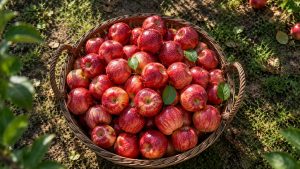
How to Harvest Apples
When the apples are ready, I try to handle them gently.
Don’t pull and twist aggressively. Instead, support the fruit and use a gentle lifting and twisting motion. If the apple is mature, it should generally separate without excessive force.
Bruising is one of the easiest ways to shorten storage life. Even an apple that looks fine at harvest can develop problems later if it has been damaged.
For apples intended for storage, I separate fruit with obvious bruises, cuts, cracks, or signs of rot rather than putting everything together.
Commercial growers also take great care to minimize bruising because physical damage reduces fruit quality and storability.
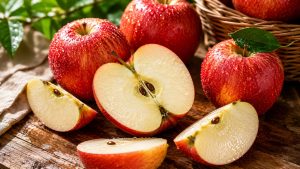
How to Store Apples
Freshly harvested apples don’t necessarily need to be eaten immediately.
For short-term storage, refrigeration is one of the simplest options. Apples generally keep better in cool, humid conditions than in a warm kitchen.
Penn State describes regular cold storage for apples at approximately 30–36°F, with humidity management used to reduce moisture loss.
At home, I check stored apples regularly. If one apple begins to rot, I remove it so the problem doesn’t spread to nearby fruit.
For longer storage, choose sound, undamaged apples and keep them cool. Different varieties have different storage abilities, so don’t expect every apple to last for the same length of time.
You can also preserve excess apples by making applesauce, drying them, baking them, or using other preservation methods.
Easy Ways to Eat Apples
Fresh apples are one of the easiest fruits to enjoy. After washing the fruit, you can eat it whole, slice it into pieces, or remove the skin if you prefer. I often eat a crisp apple as a simple snack because it needs almost no preparation.
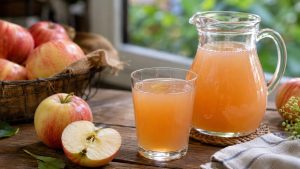
You can also add sliced apples to:
- Oatmeal or cereal
- Yogurt
- Fresh salads
- Peanut butter
- Smoothies
- Pancakes
- Homemade desserts
For sweeter apples, eating them fresh is usually enough. Tart varieties are especially good for cooking, baking, making applesauce, or adding a fresh flavor to salads.
Growing Apples Naturally
I prefer a natural approach that focuses on keeping apple trees healthy before using unnecessary treatments. I choose varieties suited to the local climate, plant them in full sun, maintain good airflow, water according to soil and weather, and avoid excessive fertilizer. Regular pruning, removing damaged fruit, and encouraging pollinators also help. Most importantly, I stay patient because young apple trees often need several seasons before producing a worthwhile harvest.
Final Thoughts
Growing apples is not about doing one perfect thing. It is about getting many small things right over several seasons.
Choose a suitable variety, give the tree plenty of sunlight, maintain steady moisture, prune with a purpose, support good pollination, thin excessive fruit, and learn the signs of maturity.
Once harvest arrives, handle the apples gently and store only sound fruit.
That is the approach that has worked best for me: keep the tree healthy, work with its natural growth, and be patient. A well-cared-for apple tree can reward you for many years with fresh fruit from your own garden.
Frequently Asked Questions About Apples
How long does it take for an apple tree to produce fruit?
It depends on the variety, rootstock, tree age, and growing conditions. Young trees may need several growing seasons before producing a meaningful crop. Rootstock has a major influence on how quickly an apple tree begins fruiting.
Do apple trees need another apple tree to produce fruit?
Many apple varieties benefit from cross-pollination with another compatible variety that blooms at a similar time. Pollinating insects transfer pollen between flowers and help with fruit set.
How much sunlight do apple trees need?
Apple trees generally perform best in a location with plenty of direct sunlight. Good sunlight also helps the canopy dry after rain and dew, which can help reduce disease pressure.
When is the best time to harvest apples?
The timing depends on the variety. Check background color, firmness, starch development, and other maturity signs rather than relying only on the calendar.
Can you store fresh apples in the refrigerator?
Yes. Refrigeration can significantly extend the storage life of apples compared with leaving them at room temperature. For longer storage, use sound, undamaged fruit and keep conditions cool and humid.
Why should I thin apples?
Thinning reduces excessive fruit competition and can improve the size and quality of the remaining apples. It can also help reduce alternate bearing.
Should I prune an apple tree every year?
Regular pruning helps maintain a balanced structure and healthy canopy. For many apple trees, annual pruning during the dormant season is recommended, but young trees should not be excessively pruned.
Why does my apple tree grow leaves but produce few apples?
Several factors can be responsible, including excessive vigor, overfertilization, overpruning, poor pollination, tree age, and environmental conditions. A very vigorous tree may put more energy into shoots and leaves than fruit production.