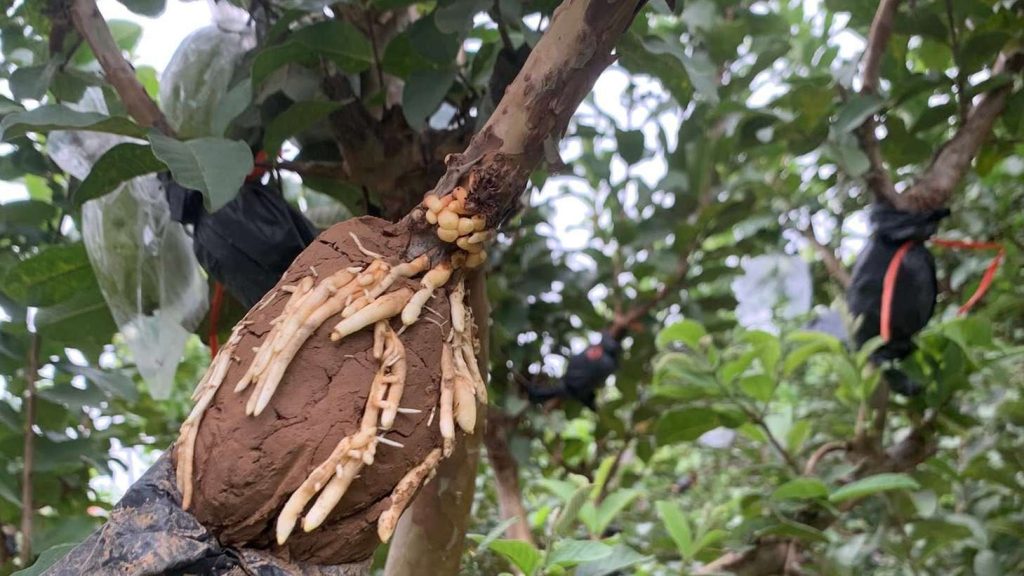
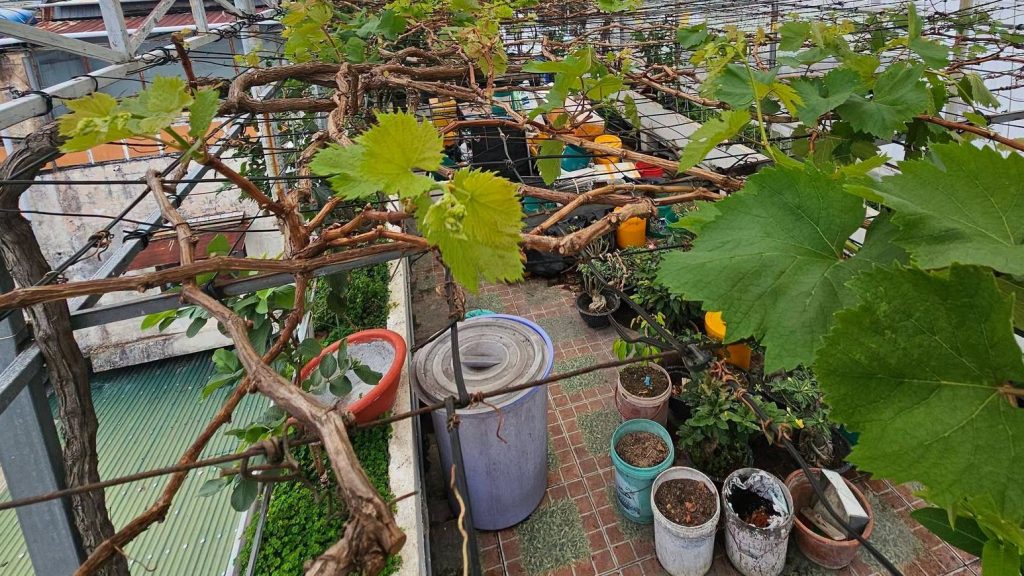
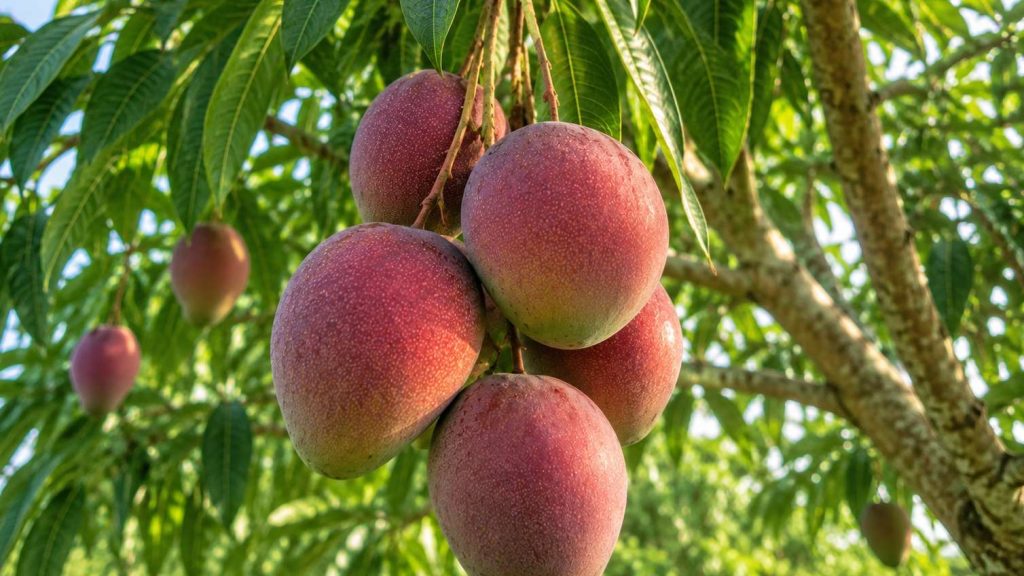
Whenever I think of jackfruit, I think of childhood—hot summer afternoons, mischievous friends, and the sweet smell of ripe fruit. While everyone else was taking a nap, we would sneak away to find jackfruit, then gather under the shade to enjoy it. We boiled the seeds, made young jackfruit salad, and sometimes dried the fruit in the sun. Those simple moments made jackfruit unforgettable.
What Is Jackfruit?
Jackfruit is the fruit of Artocarpus heterophyllus, a tropical tree in the mulberry and fig family, Moraceae. It is closely related to breadfruit.
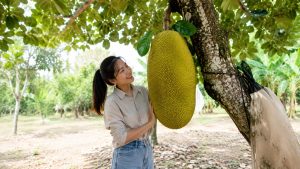
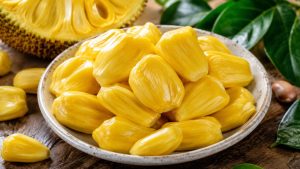
The fruit has a rough, green or yellow-green outer skin covered with small blunt projections. Inside are numerous yellow or golden edible bulbs surrounding large seeds.
Jackfruit can vary greatly in size. Some fruits are relatively small, while large fruits can become very heavy.
The ripe flesh is sweet and fragrant, with a flavor often described as a combination of tropical fruit flavors. The texture is soft but slightly chewy.
The seeds are also edible when properly cooked and can be boiled, roasted, or used in other dishes.
What Does Jackfruit Taste Like?
Ripe jackfruit has a naturally sweet tropical flavor and a strong fruity aroma.
Depending on the variety, the flavor may include notes reminiscent of banana, pineapple, mango, or other tropical fruits.
The texture is usually firm enough to separate into pieces but soft and juicy when fully ripe.
Young jackfruit is very different. It has a mild flavor and fibrous texture, which allows it to absorb sauces and seasonings in savory recipes.
Jackfruit Nutrition
Jackfruit provides carbohydrates, dietary fiber, vitamin C, potassium, and other nutrients.
The yellow flesh also contains naturally occurring carotenoids and other plant compounds.
Jackfruit seeds provide starch, protein, and several minerals when properly cooked.
Because jackfruit is naturally sweet and relatively energy-dense compared with some fruits, portion size can be considered when including it in a balanced diet.
Health Benefits of Jackfruit
Supports Digestive Health
Jackfruit contains dietary fiber, which contributes to normal digestion and regular bowel movements.
Eating the whole fruit also provides more fiber than consuming a filtered juice made from the fruit.
Provides Vitamin C
Jackfruit provides vitamin C, an essential nutrient involved in normal immune system function and collagen formation.
Including jackfruit alongside other fruits and vegetables can help add variety to the diet.
Provides Antioxidant Compounds
Jackfruit contains vitamin C, carotenoids, and other naturally occurring plant compounds with antioxidant properties.
These compounds contribute to the nutritional value of the fruit.
Provides Energy
Jackfruit contains naturally occurring carbohydrates, making it a filling fruit that can provide energy as part of a balanced meal or snack.
Popular Jackfruit Varieties
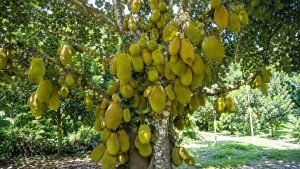
Jackfruit varieties can differ in fruit size, flesh texture, sweetness, aroma, and seed characteristics.
Black Gold Jackfruit
Black Gold is known for its sweet, aromatic yellow-orange flesh. The bulbs tend to have a firm texture that makes them convenient for fresh eating.
J-31 Jackfruit
J-31 is a popular variety valued for its flavorful fruit and productive characteristics in suitable tropical conditions.
Cheena Jackfruit
Cheena is known for relatively smaller trees and sweet edible fruit, making it interesting for growers with limited garden space.
NS1 Jackfruit
NS1 is another cultivated variety selected for desirable fruit characteristics. Like other varieties, its performance depends on climate and growing conditions.
When selecting a jackfruit tree, choose a variety suitable for your climate and available space. Grafted trees from reliable nurseries can also provide more predictable characteristics than seedlings.
How to Choose a Ripe Jackfruit
Selecting a ripe jackfruit can be difficult because the fruit is large and its appearance varies between varieties.
Common signs of ripeness include:
- The skin changes from bright green toward yellow-green or yellow.
- The spikes become less sharp and slightly wider apart.
- The fruit develops a strong sweet aroma.
- The skin may yield slightly when gently pressed.
- The sound can become somewhat deeper when the fruit is tapped.
A ripe jackfruit should have a noticeable fruity fragrance.
Avoid fruits with extensive soft, damaged, or moldy areas.
How to Eat Jackfruit
Ripe jackfruit can be eaten fresh after the edible bulbs are separated from the peel and central core.
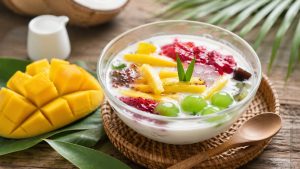
The yellow bulbs contain a seed in the center. Remove the seed before eating the flesh if desired.
Jackfruit can be enjoyed:
- Fresh as a snack
- In fruit salads
- In smoothies
- With yogurt
- In desserts
- In ice cream
- As a topping for breakfast bowls
- In tropical drinks
The large seeds should not be eaten raw. They should be properly cooked before consumption.
Delicious Ways to Use Jackfruit
Fresh Jackfruit Bowl
Combine ripe jackfruit bulbs with banana, pineapple, mango, or other tropical fruits for a simple fruit bowl.
A little lime juice can add brightness to the naturally sweet flavor.
Jackfruit Smoothie
Blend ripe jackfruit with banana, yogurt, and milk or another suitable liquid.
Add ice for a colder drink and adjust the liquid according to your preferred consistency.
Jackfruit Dessert
Ripe jackfruit can be added to puddings, ice cream, cakes, sticky rice, and other desserts.
Its natural sweetness and strong aroma make it particularly useful in tropical-style desserts.
Young Jackfruit Curry
Young green jackfruit can be cooked with vegetables, coconut milk, herbs, and spices.
Its fibrous texture absorbs sauces well, making it a popular ingredient in savory dishes.
How to Grow Jackfruit
Jackfruit grows best in tropical and warm subtropical climates. It needs plenty of sunlight, warmth, moisture, and enough space for its roots and canopy.
Choose a Sunny Location
Jackfruit trees perform best in full sun.
Choose a location with several hours of direct sunlight each day. Good sunlight encourages vigorous growth and supports flowering and fruit production.
Use Fertile, Well-Drained Soil
Jackfruit prefers fertile soil that drains well.
Although the tree likes moisture, its roots should not remain in standing water. Poor drainage can lead to root problems and weak growth.
Add well-aged organic matter before planting if the soil is poor or compacted.
Give the Tree Enough Space
Jackfruit trees can become large, so adequate space is important.
Do not plant the tree too close to buildings, power lines, or other large trees.
Good spacing also makes future pruning and harvesting easier.
Water Regularly
Young jackfruit trees need consistent moisture while establishing.
Water deeply when the soil begins to dry. During hot or dry periods, additional watering may be necessary.
Established trees can tolerate some short dry periods but still benefit from adequate water during flowering and fruit development.
Avoid keeping the soil constantly saturated.
Fertilize for Healthy Growth
Jackfruit grows vigorously and benefits from regular nutrient availability.
Use a balanced fertilizer according to the product label and local soil conditions. Organic compost can also improve soil structure and provide nutrients.
Avoid excessive nitrogen because very vigorous leafy growth does not always result in better fruit production.
Prune the Tree
Pruning helps keep jackfruit trees at a manageable size.
Remove dead, damaged, or crossing branches. Young trees can be trained to develop a strong structure.
Regular light pruning can also make harvesting easier when the tree begins producing fruit.
Avoid removing large amounts of healthy foliage at once.
How Long Does a Jackfruit Tree Take to Produce Fruit?
The time to fruit depends heavily on the variety and propagation method.
Seed-grown jackfruit trees generally take longer to produce fruit than grafted trees.
Grafted trees from established nurseries may begin producing earlier when grown in favorable conditions.
Warm temperatures, sufficient sunlight, adequate nutrition, and good water management all contribute to healthy development.
When Is Jackfruit Ripe?
Jackfruit can be harvested at different stages depending on how it will be used.
For ripe fruit, look for a stronger sweet aroma, a change in skin color, and slightly softer spikes.
The fruit may also produce a deeper sound when tapped.
Young jackfruit is harvested while still green and firm for savory cooking.
If you want sweet fruit for fresh eating, allow it to reach full maturity before harvesting or choose fruit that is close to ripe.
How to Harvest Jackfruit
Jackfruit contains sticky latex, so harvesting can be messy.
Use a clean, sharp knife and consider protecting your hands and cutting surface from the sticky sap.
Cut the fruit carefully from the tree, leaving a short section of stem attached.
Because mature jackfruit can be extremely heavy, large fruits should be handled carefully to avoid injury or damage to the fruit.
For large trees, harvesting may require appropriate equipment or professional assistance.
How to Store Jackfruit
Whole jackfruit can be kept at room temperature for a limited time depending on its ripeness.
Once ripe, the edible bulbs should be removed and refrigerated in a clean covered container.
Jackfruit flesh can also be frozen for longer storage. Frozen pieces work especially well in smoothies and desserts.
Cooked jackfruit seeds can also be refrigerated and used within a few days.
Common Jackfruit Growing Problems
Pests
Jackfruit trees may be affected by fruit flies, scale insects, mealybugs, aphids, and other pests depending on the region.
Regularly inspect leaves, shoots, flowers, and developing fruit.
Fungal Diseases
High humidity, poor air circulation, and prolonged wet conditions can increase the risk of fungal problems.
Avoid excessive irrigation and maintain good airflow around the tree.
Root Problems
Constantly wet soil can damage roots and weaken the tree.
Make sure the planting location drains properly and avoid excessive watering.
Poor Fruit Production
A jackfruit tree may produce poor crops when it lacks sunlight, experiences prolonged stress, has nutrient problems, or grows in an unsuitable climate.
Check the basic growing conditions before applying additional fertilizer.
Tips for Growing Jackfruit Successfully
For healthy growth and better fruit production:
- Plant in full sun.
- Choose fertile, well-drained soil.
- Provide consistent moisture to young trees.
- Avoid waterlogged soil.
- Fertilize according to soil and tree needs.
- Give the tree plenty of growing space.
- Prune lightly to control size and shape.
- Monitor regularly for pests and diseases.
- Protect young trees from cold temperatures.
- Harvest ripe fruit carefully.
Warmth and sunlight are especially important because jackfruit is a tropical tree and does not tolerate prolonged cold conditions well.
Conclusion
Jackfruit is a remarkable tropical fruit with sweet, fragrant flesh and many culinary uses. Ripe jackfruit can be eaten fresh or used in smoothies, desserts, and fruit dishes, while young green jackfruit works well in savory recipes.
The fruit also provides fiber, vitamin C, carbohydrates, and other nutrients that can contribute to a balanced diet. Its large edible seeds can also be enjoyed after proper cooking.
For gardeners, jackfruit can be a rewarding tree when grown in a warm climate. Full sun, fertile well-drained soil, regular watering, balanced nutrition, and adequate space provide the foundation for healthy growth.
Choosing a suitable variety and giving the tree enough room to mature are especially important. With consistent care, a healthy jackfruit tree can become a productive source of fresh tropical fruit for many years.
FAQ About Jackfruit
What does jackfruit taste like?
Ripe jackfruit has a sweet tropical flavor and strong fruity aroma. Depending on the variety, the flavor may have notes similar to banana, pineapple, or mango.
Can you eat jackfruit seeds?
Yes, jackfruit seeds can be eaten after they are properly cooked. They can be boiled, roasted, or used in other cooked dishes.
Is jackfruit eaten ripe or unripe?
Both. Ripe jackfruit has sweet flesh and is commonly eaten fresh, while young green jackfruit has a firm, fibrous texture and is often used in savory dishes.
How long does a jackfruit tree take to produce fruit?
Seed-grown trees generally take longer to fruit. Grafted trees can produce earlier under favorable growing conditions, although the exact timing varies by variety and climate.
Does jackfruit need full sun?
Yes. Jackfruit grows best in full sun with warm temperatures and plenty of direct light.
How often should you water a jackfruit tree?
Young trees need regular watering while establishing. Mature trees are more tolerant of short dry periods but benefit from adequate moisture during active growth and fruit development.
Can jackfruit grow in a pot?
Jackfruit can be grown temporarily in a large container when young, but standard varieties eventually become too large for most pots. Compact varieties may be more suitable for container growing.
How do you know when jackfruit is ripe?
A ripe jackfruit usually develops a stronger sweet aroma, the skin changes color, and the spikes become less sharp. The fruit may also feel slightly softer and produce a deeper sound when tapped.