Pomegranate is a unique and nutritious fruit known for its colorful appearance, sweet-tart flavor, and jewel-like edible arils. With a tough outer skin and hundreds of juicy seeds inside, this ancient fruit has been enjoyed for thousands of years and remains popular around the world today.
The pomegranate fruit is not only delicious but also versatile. You can eat the fresh arils on their own, add them to salads and yogurt, use them in desserts, or enjoy pomegranate juice as a refreshing drink. Pomegranates are also valued for their nutritional content, including fiber, vitamins, minerals, and naturally occurring antioxidant compounds.
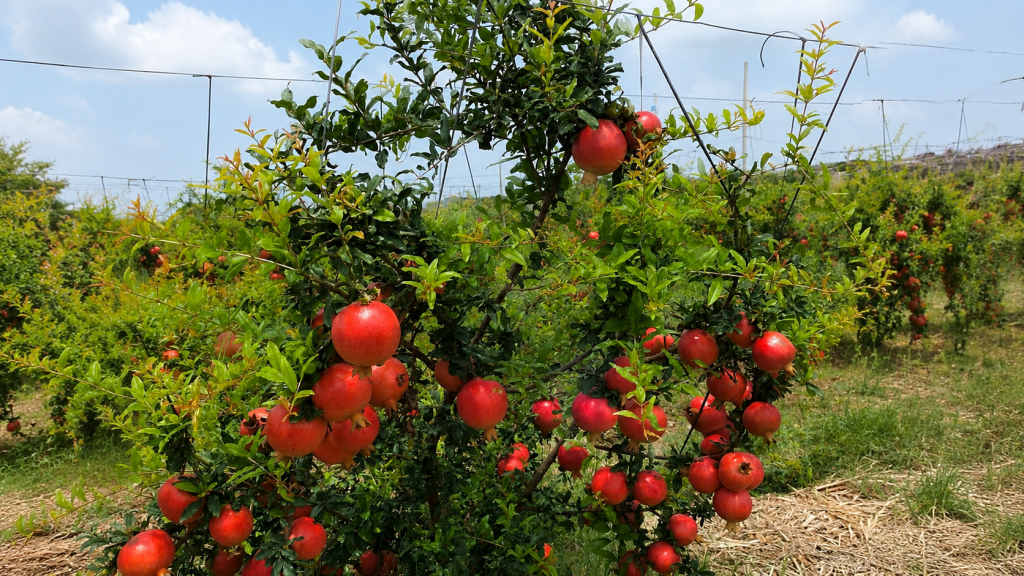
For gardeners, growing a pomegranate tree can be a rewarding experience. These trees prefer warm, sunny conditions and can produce beautiful flowers before developing their distinctive fruit. With the right variety, well-drained soil, plenty of sunlight, and proper watering, a pomegranate tree can become a productive addition to a home garden.
In this guide, you’ll learn everything you need to know about pomegranates, including pomegranate nutrition, potential health benefits, popular varieties, growing requirements, harvesting tips, and the best ways to enjoy and store this delicious fruit.
Table of Contents
- 1. What Is a Pomegranate?
- 2. Pomegranate Nutrition
- 3. Health Benefits of Pomegranate
- 4. Popular Types and Varieties of Pomegranates
- 5. How to Grow a Pomegranate Tree
- 6. How Much Sun Does a Pomegranate Tree Need?
- 7. How Often Should You Water a Pomegranate Tree?
- 8. When Do Pomegranates Ripen?
- 9. How to Tell If a Pomegranate Is Ripe
- 10. How to Harvest Pomegranates
- 11. How to Eat a Pomegranate
- 12. How to Store Pomegranates
- 13. Common Pomegranate Tree Problems
- 14. Frequently Asked Questions About Pomegranates
- How long does it take for a pomegranate tree to produce fruit?
- Do pomegranate trees need full sun?
- How often should I water a pomegranate tree?
- Why are my pomegranates splitting?
- Can you grow a pomegranate tree from seed?
- Do pomegranate trees lose their leaves?
- Can pomegranates grow in containers?
- Can pomegranate trees survive cold winters?
- Are pomegranate seeds edible?
- Is whole pomegranate better than pomegranate juice?
- 15. Final Thoughts
1. What Is a Pomegranate?
A pomegranate is the fruit of the pomegranate tree, scientifically known as Punica granatum. It is a round fruit with a tough, leathery outer skin that can range in color from yellowish-red to deep red, depending on the variety.
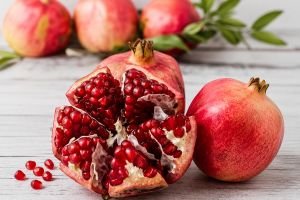
Inside the fruit are numerous juicy arils. These bright red or pink arils are the edible part of the pomegranate and contain a small seed surrounded by flavorful juice. Although people often call them pomegranate seeds, the entire juicy aril is commonly eaten.
The flavor of pomegranate can vary between varieties. Some fruits are very sweet, while others have a stronger sweet-tart taste. The texture can also differ depending on the variety, particularly the hardness of the seeds.
Pomegranates have been cultivated for thousands of years and are associated with many different cultures and cuisines. Today, pomegranate fruit is grown commercially in warm regions around the world and is widely available in supermarkets and farmers markets.
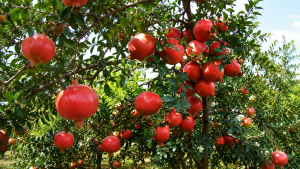
The pomegranate tree itself is also attractive. It can grow as a multi-stemmed shrub or a small tree, producing colorful flowers followed by decorative fruit. This makes it useful not only as a fruit plant but also as an ornamental addition to a sunny garden.
Pomegranate trees generally prefer warm climates, hot summers, and plenty of sunlight. Once established, they can tolerate periods of drought, although adequate moisture is important for healthy growth and fruit development.
2. Pomegranate Nutrition
Pomegranate fruit is a nutritious food that can easily fit into a balanced diet. The edible arils contain water, natural carbohydrates, fiber, vitamins, minerals, and a variety of naturally occurring plant compounds.
Pomegranate is particularly known for its antioxidant content. The fruit contains polyphenols and other compounds that have antioxidant properties, which is one reason pomegranates are often discussed as part of a healthy diet.
Some of the nutrients found in pomegranate include:
- Dietary fiber
- Vitamin C
- Vitamin K
- Folate
- Potassium
- Natural plant compounds
- Antioxidants
Eating whole pomegranate arils provides dietary fiber that is not present in the same amount in most pomegranate juices. Fiber is an important part of a balanced diet and supports normal digestive health.
Pomegranate juice is another popular way to consume the fruit. However, juice can be more concentrated in natural sugars and usually contains little of the fiber found in whole arils. For this reason, eating fresh pomegranate arils can be a good option when you want to enjoy more of the whole fruit.
The nutritional value of pomegranates can vary depending on the variety, growing conditions, and serving size. Nevertheless, fresh pomegranate is an excellent way to add color, flavor, and a variety of nutrients to meals and snacks.
3. Health Benefits of Pomegranate
Pomegranate has attracted considerable interest because of its combination of nutrients and naturally occurring plant compounds. While no single food can replace a balanced diet or medical treatment, pomegranate can be a nutritious addition to a healthy lifestyle.
Rich in Antioxidants
One of the most well-known benefits of pomegranate is its antioxidant content. Pomegranate arils and juice contain various polyphenols and other plant compounds with antioxidant activity.
Antioxidants help the body manage oxidative stress associated with free radicals. This is one reason fruits rich in plant compounds are often included in discussions about healthy eating.
Supports a Balanced Diet
Pomegranate can be an easy way to add more fruit to your daily meals. The bright arils provide natural sweetness and a refreshing tart flavor without requiring complicated preparation.
You can sprinkle them over oatmeal, yogurt, salads, or grain bowls. They can also be eaten as a simple snack.
Provides Fiber
Whole pomegranate arils contain dietary fiber, which can contribute to digestive health and help you feel satisfied after eating.
Choosing whole pomegranate fruit instead of only drinking juice allows you to enjoy the fiber naturally found in the edible arils.
Provides Important Nutrients
Pomegranate contributes several vitamins and minerals, including vitamin C, vitamin K, folate, and potassium.
Vitamin C is involved in normal immune function and collagen formation, while vitamin K plays an important role in normal blood clotting and bone health.
May Support Heart-Healthy Eating
Pomegranate is often included in heart-conscious eating patterns because it contains antioxidants and other beneficial plant compounds.
Researchers have studied pomegranate and cardiovascular health, but findings can vary depending on the type of pomegranate product and the amount consumed. It is best to view pomegranate as one part of an overall balanced diet rather than as a treatment for a specific health condition.
4. Popular Types and Varieties of Pomegranates
There are many types and varieties of pomegranates grown around the world. They can differ in fruit size, skin color, aril color, sweetness, acidity, and seed texture.
Here are several popular pomegranate varieties that gardeners may encounter.
Wonderful Pomegranate
Wonderful is one of the most widely recognized pomegranate varieties. It produces attractive red fruit with flavorful arils and a classic sweet-tart taste.
This variety is commonly grown for both fresh eating and juice production.
Eversweet Pomegranate
Eversweet is popular among gardeners who prefer a sweeter fruit with less noticeable acidity.
The fruit has a relatively mild flavor and is suitable for fresh eating. It can be a good choice for home gardens where the goal is to enjoy pomegranates directly from the tree.
Parfianka Pomegranate
Parfianka is appreciated for its flavorful fruit and attractive red arils. It offers a balance between sweetness and acidity and is often recommended for fresh eating.
Angel Red Pomegranate
Angel Red is known for its sweet flavor and relatively soft seeds. The fruit has an attractive red appearance and can be a productive choice for suitable warm climates.
When selecting a pomegranate variety, consider your local climate, winter temperatures, available space, and the type of fruit you prefer.
5. How to Grow a Pomegranate Tree
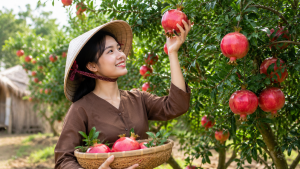
Growing a pomegranate tree can be a rewarding project for home gardeners, particularly in warm and sunny regions.
Pomegranate trees are relatively adaptable, but they produce the best results when grown in the right conditions.
Choose a Sunny Location
Select a location that receives plenty of direct sunlight. Full sun helps support healthy growth, flowering, and fruit production.
A location with good air circulation is also beneficial. Avoid planting the tree in a low area where cold air or excess moisture can collect.
Prepare Well-Drained Soil
Pomegranate trees can grow in different soil types, but good drainage is important.
Constantly wet soil can create problems for the root system. If your garden has heavy clay soil or poor drainage, improve the planting area before putting the tree in the ground.
Organic matter can help improve soil structure, but the main goal is to ensure excess water can drain away effectively.
Plant the Tree
Planting time depends on your climate. In areas with mild winters, planting during the dormant season can work well. In colder regions, spring planting after severe frost has passed may be a safer choice.
Dig a hole wide enough to accommodate the root system. Place the tree at approximately the same depth at which it was growing in its container.
After planting, water thoroughly to help settle the soil around the roots.
A layer of mulch can help retain soil moisture and reduce competition from weeds. Keep mulch several inches away from the trunk to prevent excessive moisture around the base.
6. How Much Sun Does a Pomegranate Tree Need?
Pomegranate trees need plenty of sunlight to grow well and produce fruit.
Ideally, provide at least six hours of direct sunlight each day. A location with even more sunlight can be beneficial, particularly in areas with shorter growing seasons.
Insufficient sunlight may lead to weak growth, fewer flowers, and reduced fruit production.
If you grow a pomegranate tree in a container, place it in the sunniest suitable location available. A sunny patio, balcony, or south-facing area may work well depending on your climate.
Sunlight is especially important during the growing season when the tree is actively producing leaves, flowers, and fruit.
7. How Often Should You Water a Pomegranate Tree?
Watering requirements depend on the age of the tree, soil type, weather, and local climate.
Young pomegranate trees need regular watering while they establish their root systems. During hot and dry weather, check the soil regularly and water deeply when the soil begins to dry.
Once established, pomegranate trees are relatively drought tolerant. However, drought stress can affect flowering and fruit development.
During periods of active fruit growth, consistent moisture is especially important. Long periods of dryness followed by heavy watering or rainfall can contribute to fruit cracking.
Deep watering is generally better than frequent shallow watering. At the same time, avoid keeping the soil constantly wet.
If your soil drains poorly, reduce watering and improve drainage. Healthy pomegranate roots need access to both moisture and oxygen.
Container-grown pomegranate trees usually require more frequent monitoring because potting soil dries out faster than garden soil.
8. When Do Pomegranates Ripen?
Pomegranates typically ripen several months after flowering. The exact timing depends on the variety, climate, and growing conditions.
In many warm regions, the main pomegranate harvest season occurs in late summer and fall.
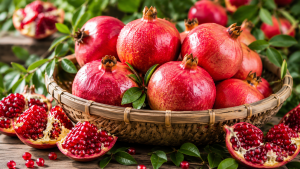
As the fruit matures, its appearance and shape may change. A ripe pomegranate often becomes slightly angular as the arils inside expand. The skin may also develop a deeper color, depending on the variety.
However, skin color alone is not always a reliable indication of ripeness. Some varieties remain relatively light even when fully mature.
Pomegranates generally do not continue to ripen significantly after harvesting, so timing the harvest correctly is important.
Watch your fruit throughout the growing season and learn how your specific variety changes as it approaches maturity.
9. How to Tell If a Pomegranate Is Ripe
Knowing when a pomegranate is ripe can take some practice. Fortunately, several signs can help you determine when the fruit is ready for harvest.
A mature pomegranate may have:
- Reached its expected size for the variety
- Developed its characteristic mature skin color
- Become heavy for its size
- Developed slightly angular sides
- Flattened slightly at the crown
- A firm but not overly soft texture
The shape of the fruit is often particularly useful. Young pomegranates tend to be more rounded, while mature fruit may become slightly squared or angular because the arils inside are filling out.
You can also gently tap the fruit. A mature pomegranate may produce a somewhat metallic or hollow sound.
Avoid relying on a single sign. Consider the fruit’s size, shape, color, and the expected harvest season for your particular variety.
10. How to Harvest Pomegranates
Harvesting pomegranates is relatively simple when you know what to look for.
Once the fruit appears mature, use clean pruning shears to cut it from the tree. Avoid pulling or twisting the fruit aggressively because this can damage the branches.
Leave a small piece of stem attached if desired.
Handle harvested pomegranates carefully. Although the outer skin is tough, bruised or damaged fruit may not store as well.
It is generally best to harvest during dry weather when possible. If the fruit has been exposed to heavy rain, allow the surface to dry before storing it.
Because pomegranates can remain in good condition for a relatively long time, you do not always need to harvest every fruit on the same day. However, keep an eye on mature fruit and harvest before it becomes excessively cracked or damaged.
11. How to Eat a Pomegranate
Eating a pomegranate is easier once you learn how to remove the arils.
Start by cutting the fruit into sections. Gently pull the sections apart with your hands and loosen the arils from the white membrane.
Another popular method is to remove the arils in a bowl of water. The juicy arils tend to sink while some of the lighter membrane floats, making separation easier.
Fresh pomegranate arils are delicious on their own, but there are many other ways to enjoy them.
Try adding pomegranate to:
- Greek yogurt
- Oatmeal
- Green salads
- Grain bowls
- Smoothies
- Fruit salads
- Desserts
- Roasted vegetables
- Homemade sauces
The sweet-tart flavor of pomegranate works particularly well with creamy foods, fresh vegetables, nuts, and savory dishes.
Pomegranate juice can also be used in beverages, marinades, salad dressings, and sauces.
If you are trying pomegranate for the first time, start with a small serving and experiment with different combinations.
12. How to Store Pomegranates
Whole pomegranates are relatively easy to store because their thick outer skin protects the fruit inside.
For short-term storage, keep whole pomegranates in a cool, dry location away from direct sunlight.
For longer storage, refrigeration can help extend their freshness.
Once the arils have been removed, place them in an airtight container and keep them refrigerated. Fresh arils are best consumed while they still have a bright color and fresh flavor.
Pomegranate arils can also be frozen.
To freeze them, spread the arils in a single layer on a tray and freeze until firm. Then transfer them to a freezer-safe container or bag.
Frozen pomegranate arils are convenient for smoothies, sauces, desserts, and other recipes.
If you have a large harvest from your garden, freezing some of the arils can be an easy way to enjoy your pomegranates throughout the year.
13. Common Pomegranate Tree Problems
Pomegranate trees are generally hardy, but they can still experience problems caused by watering, soil conditions, weather, pests, or insufficient sunlight.
Yellow Leaves
Yellow leaves can be caused by several factors, including overwatering, poor drainage, nutrient deficiencies, or natural seasonal changes.
Check the soil before watering. If the soil remains wet for extended periods, the tree may be experiencing drainage problems.
Lack of Flowers
A pomegranate tree that produces lots of leaves but few flowers may not be receiving enough sunlight.
Excessive nitrogen can also encourage leafy growth while reducing flowering.
Young trees may simply need more time to mature before producing significant flowers and fruit.
Fruit Cracking
Fruit cracking is a common problem in some growing conditions.
Irregular moisture levels can contribute to cracking. For example, a long dry period followed by heavy irrigation or rainfall can cause the fruit to expand rapidly.
Maintaining more consistent soil moisture during fruit development may help reduce the risk.
Pests
Depending on your location, pomegranate trees may be affected by aphids, scale insects, fruit flies, or other pests.
Inspect leaves, new shoots, flowers, and fruit regularly. Early detection can make pest management easier.
Maintaining healthy plants, encouraging beneficial insects, and keeping the garden clean can help reduce pest pressure.
14. Frequently Asked Questions About Pomegranates
How long does it take for a pomegranate tree to produce fruit?
The time varies depending on the variety and how the tree was propagated. Young nursery trees may produce fruit within a few years, while trees grown from seed often take longer.
Do pomegranate trees need full sun?
Yes. Pomegranate trees grow best in full sun and generally need at least six hours of direct sunlight each day for healthy growth and good fruit production.
How often should I water a pomegranate tree?
Young trees need regular watering while they establish. Mature trees are more drought tolerant but still benefit from adequate moisture during flowering and fruit development.
Why are my pomegranates splitting?
Pomegranates may split because of inconsistent soil moisture, rapid fruit growth, heavy rainfall, or other environmental conditions. Keeping moisture more consistent during fruit development may help.
Can you grow a pomegranate tree from seed?
Yes, pomegranates can be grown from seed. However, seedlings may not produce fruit identical to the parent plant. Named varieties are often propagated using other methods to maintain their characteristics.
Do pomegranate trees lose their leaves?
Yes. Pomegranate trees are generally deciduous and may lose their leaves during the cooler or dormant season, depending on the climate.
Can pomegranates grow in containers?
Yes. Smaller varieties can grow successfully in large containers with good drainage. Container-grown trees need plenty of sunlight and careful watering.
Can pomegranate trees survive cold winters?
Pomegranate trees prefer warm climates and may suffer damage from severe cold. Cold tolerance varies by variety. Gardeners in colder regions may need to protect young trees or grow pomegranates in containers.
Are pomegranate seeds edible?
Yes. The juicy arils and their small seeds are commonly eaten together. Some people enjoy the crunchy texture of the seeds, while others prefer to chew the arils and avoid swallowing the harder seeds.
Is whole pomegranate better than pomegranate juice?
Whole pomegranate provides dietary fiber from the edible arils, while juice generally contains little fiber. Both can be enjoyed, but whole fruit is often a good choice when you want to consume more of the complete fruit.
15. Final Thoughts
Pomegranate is a remarkable fruit with a unique appearance, refreshing sweet-tart flavor, and impressive versatility. From fresh pomegranate arils to juice, salads, desserts, and savory recipes, there are many ways to enjoy this colorful fruit.
Pomegranate nutrition also makes it an appealing addition to a balanced diet. The fruit provides fiber, vitamins, minerals, and naturally occurring plant compounds, including antioxidants.
For gardeners, growing a pomegranate tree can be equally rewarding. The key to success is providing plenty of sunlight, well-drained soil, appropriate watering, and a variety suited to your local climate.
If you are wondering how to grow pomegranate, start by choosing the right location and giving your tree enough room to develop. Pay attention to watering during the establishment period, protect young trees from severe cold when necessary, and learn to recognize the signs of ripe fruit.
Whether you are growing your first pomegranate tree or simply looking for new ways to enjoy pomegranate fruit, understanding its nutrition, varieties, growing requirements, and harvesting process can help you get the most from this fascinating fruit.