Learning how to grow blueberries at home can be a fun and rewarding gardening project. Blueberry bushes can produce delicious fruit for many years when they are planted in the right location and given the proper care.
The key to growing healthy blueberries is providing acidic, well-drained soil, plenty of sunlight, consistent moisture, and regular maintenance. Whether you are growing blueberries in your backyard, a raised bed, or a large container, these simple tips can help you get started.
In this guide, you’ll learn how to grow blueberries successfully and discover 10 easy tips for growing strong blueberry bushes and enjoying a delicious harvest.

1. Choose the Right Blueberry Variety
The first step in learning how to grow blueberries is choosing a variety that is suitable for your climate and growing space.
Blueberries are generally grouped into several types, including:
- Highbush blueberries
- Lowbush blueberries
- Rabbiteye blueberries
- Half-high blueberries
Highbush blueberries are popular for home gardens, while rabbiteye varieties are often better suited to warmer climates.
Before buying a blueberry plant, check whether the variety is recommended for your local growing conditions. Choosing the right variety can make a big difference in plant health and fruit production.
2. Choose a Sunny Location
Blueberries grow best in a location with plenty of sunlight.
Choose a spot that receives at least 6–8 hours of sunlight per day. Good sunlight helps blueberry bushes produce healthy growth, flowers, and fruit.
Avoid planting blueberries in areas where large trees or buildings create heavy shade.
If you are growing blueberries in containers, place them in a sunny location such as a patio, balcony, or sunny garden area.
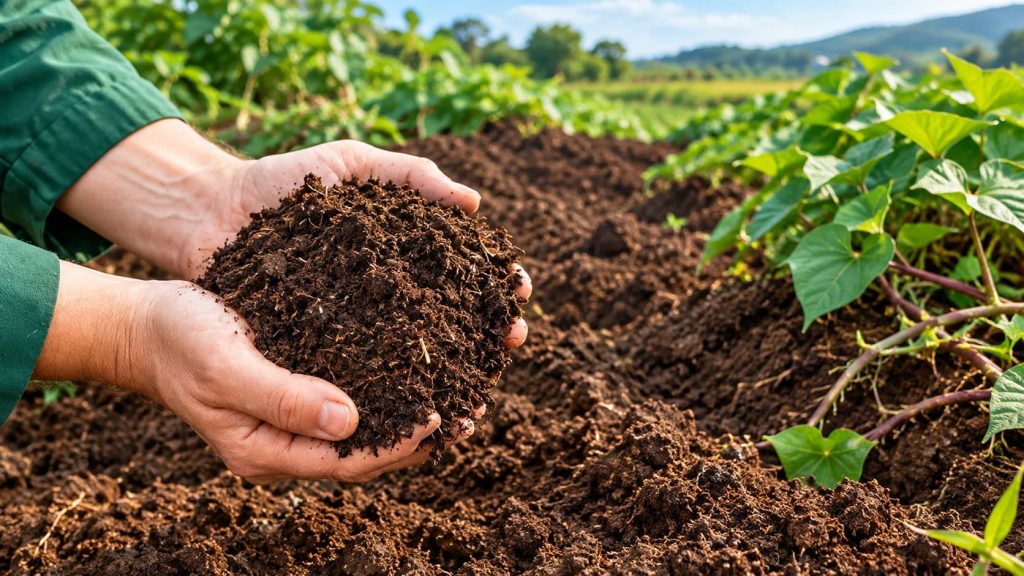
3. Prepare Acidic Soil
One of the most important things to know about how to grow blueberries is that blueberry plants require acidic soil.
Blueberries generally prefer a soil pH between 4.5 and 5.5. Regular garden soil may not be acidic enough, so it is a good idea to test the soil before planting.
If your soil pH is too high, you may need to use an appropriate soil amendment recommended for acid-loving plants.
Blueberries also prefer soil that drains well. Avoid areas where water remains around the roots after heavy rain.
4. Plant Blueberries Correctly
The best time to plant blueberries depends on your climate. In many areas, early spring or fall can be suitable planting times.
Dig a hole that is wide enough to accommodate the roots without bending or crowding them.
Place the plant at approximately the same depth as it was growing in its nursery container. Cover the roots with acidic soil and water thoroughly.
Avoid planting blueberries too deeply because this can cause problems with the roots and crown.
5. Give Blueberry Bushes Enough Space
Blueberry bushes need enough space to grow and develop properly.
Spacing depends on the variety and mature size of the plant. Many home gardeners space bushes several feet apart to allow good airflow and room for growth.
Adequate spacing also makes it easier to:
- Water the plants
- Add mulch
- Prune the bushes
- Harvest the fruit
- Monitor pests and diseases
Always check the recommended spacing for the specific blueberry variety you are growing.
6. Water Blueberries Consistently
Blueberry plants need regular moisture, especially during flowering and fruit development.
Keep the soil consistently moist but not waterlogged. Blueberry roots are relatively shallow, so they can dry out quickly during hot or dry weather.
Water deeply when needed and check the soil regularly.
Mulching around the base of the plant can help maintain consistent soil moisture and reduce evaporation.
Avoid letting the soil become extremely dry for long periods, particularly when the plant is producing fruit.
7. Add the Right Mulch
Mulching is an important part of blueberry plant care.
Organic materials such as pine bark, pine needles, or suitable acidic mulch can help maintain soil moisture and create a better growing environment for blueberries.
Mulch can also:
- Reduce weed competition
- Protect shallow roots
- Keep soil moisture more consistent
- Help regulate soil temperature
Apply a layer of mulch around the plant while keeping it away from direct contact with the main stem.
Refresh the mulch as needed throughout the growing season.
8. Fertilize Blueberries Carefully
Blueberries need the right nutrients to grow well, but excessive fertilizer can damage the plants.
Use a fertilizer formulated for acid-loving plants and follow the instructions on the product label.
Avoid applying too much fertilizer at once. Excess nutrients can harm blueberry roots and may lead to unhealthy growth.
If you are unsure about your soil’s nutrient levels, consider testing the soil before making major changes.
9. Prune Blueberry Bushes Regularly
Pruning helps blueberry bushes maintain a healthy structure and encourages productive growth.
Young plants may require minimal pruning during their first years. As bushes become established, remove weak, damaged, or dead branches.
Older branches may become less productive over time, so selective pruning can help encourage younger, more productive growth.
The ideal pruning method depends on the blueberry variety and the age of the plant.
Avoid removing too many healthy branches at once, as this can reduce fruit production.
10. Protect Your Blueberries From Birds
Birds love ripe blueberries, so protecting your crop may be necessary.
Bird netting can be an effective way to prevent birds from reaching the fruit. Install appropriate netting over the bushes when berries begin to ripen.
You should also check the plants regularly for common garden pests and signs of disease.
Look for:
- Damaged leaves
- Discolored foliage
- Unusual spots
- Insects
- Damaged or moldy berries
Early detection can make plant problems easier to manage.
Can You Grow Blueberries in Containers?
Yes, blueberries can grow very well in containers when the right conditions are provided.
Choose a large container with drainage holes and use an acidic potting mix designed for acid-loving plants.
Dwarf or compact blueberry varieties are often better suited to container gardening.
Place the container in a sunny location and monitor soil moisture regularly. Container-grown blueberries can dry out faster than plants growing in the ground.
Because blueberries require acidic soil, avoid using ordinary garden soil in containers unless it has been properly amended for acid-loving plants.
How Long Does It Take to Grow Blueberries?
The time it takes to harvest blueberries depends on the variety and age of the plant.
Young blueberry bushes may produce a small amount of fruit during their early years, but production often increases as the plant becomes established.
If you buy a mature nursery plant, you may be able to harvest fruit sooner than if you start with a very young plant.
With proper care, blueberry bushes can remain productive for many years.
Do You Need Two Blueberry Bushes to Get Fruit?
Some blueberry varieties can produce fruit on their own, but planting more than one compatible variety can often improve pollination and increase the size of your harvest.
If you have enough space, consider growing two or more blueberry varieties that bloom at similar times.
Before planting, check the pollination requirements of the specific varieties you choose.
When Should You Harvest Blueberries?
Blueberries should be harvested when they are fully ripe.
Ripe blueberries typically have a deep blue color and should come off the bush easily when gently picked.
Do not rush to harvest berries as soon as they turn blue. Allowing them to remain on the plant for a little longer can help improve flavor.
Pick berries carefully and place them into a shallow container to avoid crushing the fruit.
Why Are My Blueberry Leaves Turning Yellow?
Yellow leaves can be caused by several factors.
Common causes include:
- Soil pH that is too high
- Nutrient deficiencies
- Overwatering
- Poor drainage
- Root problems
- Environmental stress
Because blueberries require acidic soil, checking the soil pH is a good first step when leaves begin turning yellow.
Avoid adding fertilizer without identifying the cause of the problem. A soil test can help determine whether the plant is lacking specific nutrients.
Final Thoughts
Learning how to grow blueberries successfully starts with providing the right growing conditions. Blueberry bushes need acidic soil, plenty of sunlight, consistent moisture, good drainage, and regular care. For more information about their nutritional value and potential benefits, see our guide to Benefits of Blueberries.
The most important things to remember are to choose the right variety, maintain acidic soil, water consistently, use suitable mulch, and protect ripe berries from birds.
With patience and proper care, blueberry bushes can become a long-lasting addition to your garden and reward you with delicious fresh fruit year after year.
Garden Guide Hub