With its captivating canopy of soft purple blossoms and delicate, fern-like foliage, the Jacaranda tree (Jacaranda mimosifolia) stands as one of the most breathtaking ornamental species in modern horticulture.
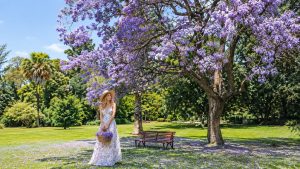
Beyond its immediate visual appeal, this South American native holds strong symbolic meaning and offers versatile applications in modern landscape design. When thoughtfully positioned within an outdoor environment, the tree not only enhances curb appeal and architectural elegance but can also create a serene and visually balanced atmosphere.
Understanding how to balance the artistic presence, ecological characteristics, and traditional symbolism of Jacaranda mimosifolia allows property owners, urban planners, and landscape designers to transform ordinary landscapes into beautiful outdoor retreats.
Symbolic Meaning and Feng Shui Energy
In spatial traditions such as Feng Shui, as well as in Western landscape psychology, trees do far more than provide shade—they can influence the flow of energy (Chi) throughout a property and affect the emotional atmosphere of those who spend time there.
The Power of Violet and Purple Vibrations
Unlike trees with yellow, red, or white flowers, the Jacaranda displays a rare, rich violet-purple bloom. In color psychology and traditional energetic practices:
- Romance and Emotional Tranquility: The soft purple hue can create a sense of calm, helping to create an atmosphere suited to relaxation, emotional connection, and peaceful reflection.
- Wisdom and Higher Consciousness: Historically associated with nobility, spiritual depth, and inspiration, purple can symbolize a connection between earthly stability and thoughtful reflection. Placing a purple-flowering canopy in a garden space can inspire creative thought and quiet contemplation.
- Loyalty and Rebirth: The dependable return of the vivid purple canopy each spring serves as a powerful symbol of loyalty, steadfastness, and renewal. It can serve as a visual reminder of resilience, growth, and recurring beauty after periods of winter dormancy.
Integrating the Wood and Fire Elements
In traditional Feng Shui philosophy, colors and natural elements interact to shape the harmony of an environment:
- The Wood Element: Represented by the tree’s living structure, healthy trunk, and expansive branches, Wood is associated with growth, vitality, flexibility, and renewal.
- The Fire Element: Represented by the vibrant purple-violet blooms. Purple is sometimes associated with Fire and Water in different Feng Shui interpretations, bringing a sense of warmth, recognition, and inspiration without the intensity of bright red.
- Ideal Sector Placement: Positioned in the East (Health & Family), Southeast (Wealth & Abundance), or South (Fame & Reputation) sectors of a garden layout, Jacaranda mimosifolia can be used to support a sense of positive energy, helping household members feel grounded yet inspired.
Landscape Architecture Applications
The unique structural silhouette of the Jacaranda makes it a versatile asset for broad outdoor layouts, private estates, and suburban developments.
       [ Canopy: Dappled Shade / Violet Blooms ]
                 /   |   \
                /    |    \
   [ Mid-Story: Low Shrubs / Contrast Foliage ]
        |                         |
   [ Understory: Shade Groundcovers / Fine Gravel ]
Specimen Planting for Luxury Estates
A single, perfectly positioned Jacaranda serves as a striking specimen tree (a standout focal point). When planted in the center of a spacious front lawn, an interior villa courtyard, or an entry turnaround, its dramatic seasonal changes draw the eye instantly. During spring, it presents a solid cloud of violet; during summer and fall, its airy, bipinnate leaves cast a soft, lace-like pattern of shadows across paved surfaces or turf.
Framing Driveways and Grand Entrances
Aligning Jacarandas along broad avenues or private driveways produces an iconic, cathedral-like archway overhead. As the trees mature, their canopies can meet in the center, creating a stunning purple corridor. During peak bloom, the falling petals create a carpet of violet beneath, delivering a memorable arrival experience for guests and residents alike.
Light Filtering and Microclimate Enhancement
Unlike dense evergreen oaks or ficus trees that cast dark, heavy shade, the foliage of the Jacaranda allows filtered, dappled sunlight to reach the ground. This filtered light keeps outdoor living areas feeling bright and open while helping moderate ground-level temperatures during warm summer months.
Integrating these architectural qualities requires a thorough understanding of spatial geometry, soil requirements, and climate compatibility. Designers looking to optimize property value often study Jacaranda mimosifolia in landscape design to balance visual impact with structural spacing and long-term site sustainability.
Understory Companion Planting
Because the Jacaranda allows gentle sunlight to filter through its canopy, it creates a suitable microclimate for lower-tier plants underneath. Successful understory design relies on complementary colors, contrasting leaf textures, and compatible moisture requirements.
| Layer Type | Recommended Species | Visual & Functional Role |
|---|---|---|
| Color Contrast | Lantana camara (Gold/Yellow), Daylilies, Gold-Dust Croton | Yellow and gold flowers sit opposite purple on the color wheel, creating dynamic visual contrast. |
| Texture & Form | Agapanthus (Lily of the Nile), Aspidistra elatior, Giant Liriope | Broad, strap-like leaves contrast sharply with the Jacaranda’s fine, fern-like foliage. |
| Low Groundcover | Silver Mound Artemisia, Blue Fescue, Creeping Thyme | Provides a cool-toned, drought-tolerant carpet that can help suppress weeds without competing heavily for nutrients. |
When selecting understory companions, always choose species that thrive in well-drained soil and require low to moderate watering. Overwatering the plants under a Jacaranda can saturate the tree’s root zone, potentially increasing the risk of root problems.
Critical Placement and Site Selection Considerations
While Jacaranda mimosifolia brings unmatched grace to a property, improper site selection can create long-term maintenance difficulties. Designers and homeowners must plan for the tree’s mature size and canopy spread.
1. Distance from Buildings and Structural Foundations
A mature Jacaranda can develop a canopy spread of 30 to 40 feet with an extensive root system.
- Safe Clearance: Plant the trunk at least 15 to 20 feet away from house walls, foundations, garage roofs, and retaining walls.
- Overhead Lines: Avoid planting directly under overhead utility lines, as the tree’s vertical growth will eventually require heavy pruning, which can detract from its natural form.
2. Managing Seasonal Litter (Flower and Seed Pod Drop)
The spectacular bloom of the Jacaranda is followed by a natural drop phase when flowers, leaves, and woody seed pods fall to the ground.
- Keep Away from Swimming Pools: Avoid planting a Jacaranda directly adjacent to a swimming pool, hot tub, or open water feature. Falling blossoms can clog filtration systems, accumulate on pool decks, and create additional maintenance.
- Driveways and Narrow Paved Paths: Fallen blossoms can become slippery on smooth concrete or stone walkways after rain. Additionally, crushed blossoms on light-colored stone or vehicle finishes can leave temporary organic stains if not swept regularly.
- Patio Furniture: Avoid placing fixed outdoor dining sets directly beneath the canopy during peak bloom periods to prevent falling debris from collecting on outdoor fabrics.
3. Wind and Structural Protection
Although the wood of a mature Jacaranda is reasonably resilient, young branches can be brittle. Position the tree where it receives some protection from extreme, straight-line winds, or maintain a regular structural pruning schedule early in the tree’s life to encourage strong, wide-angled branch unions.
Summary: A Masterpiece of Aesthetic Balance
Incorporating Jacaranda mimosifolia into your landscape design is an investment in both architectural beauty and symbolic harmony. By pairing its vibrant purple canopy with thoughtful companion plantings, placing it at a safe distance from hardscapes, and considering its traditional associations with peace and inspiration, you can create a landscape that feels both elegant and inviting.