Choosing the right soil is one of the most important steps when growing healthy begonias. These plants are not especially difficult to grow, but they can struggle when their roots sit in heavy, waterlogged soil. A good soil mix gives the roots access to moisture while still allowing excess water to drain away.
After growing begonias in containers and garden beds, I’ve found that the best soil is loose, airy, rich in organic matter, and well drained. The goal is to create an environment where roots can stay comfortably moist without becoming saturated.
What Kind of Soil Do Begonias Like?
Begonias generally prefer loose, well-draining soil that holds some moisture without becoming soggy.
Their roots need both water and oxygen. Heavy clay soil can remain wet for too long, while extremely sandy soil may drain so quickly that the plant struggles to get enough moisture.
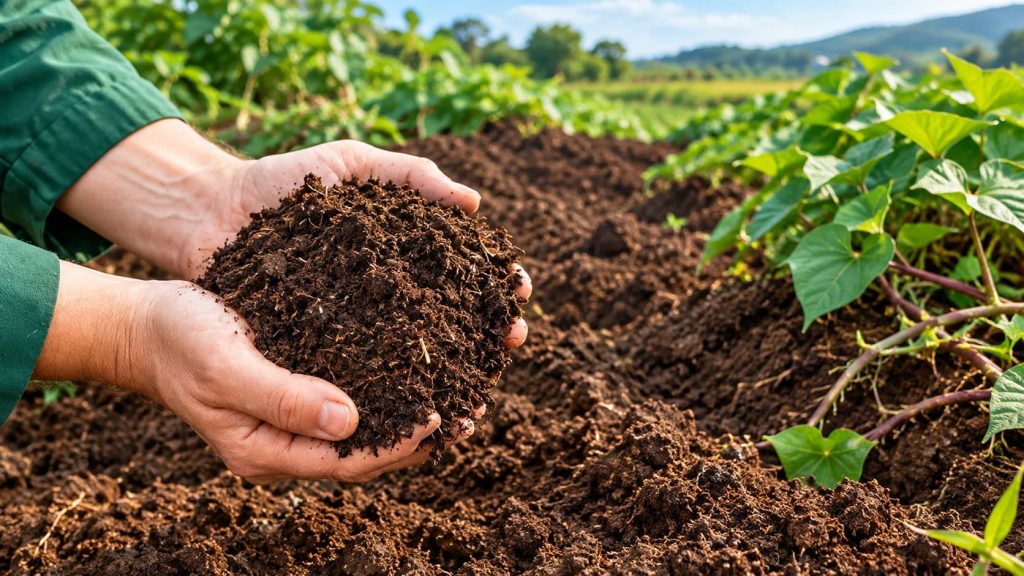
A balanced soil mix provides a middle ground. It should feel light and crumbly rather than dense or sticky.
For container begonias, a quality commercial potting mix is often an excellent starting point. For garden beds, improving the existing soil with organic matter can make a significant difference.
The Best Soil Mix for Begonias
A simple homemade soil mix can work very well for begonias.
You can combine:
- 2 parts quality potting soil
- 1 part perlite
- 1 part compost or other well-aged organic matter
The potting soil provides the basic growing medium, while perlite improves drainage and aeration. Compost adds organic matter and helps the soil retain some moisture.
You do not need an extremely complicated recipe. The most important qualities are good drainage, moderate moisture retention, and plenty of air around the roots.
If your existing potting mix already drains well, you may only need to add a small amount of perlite rather than completely replacing the soil.
Why Drainage Matters So Much
Poor drainage is one of the biggest soil-related problems for begonias.
When water remains around the roots for too long, the roots have less access to oxygen. Constantly wet conditions can eventually lead to unhealthy roots and weak plant growth.
This is particularly important for begonias grown in containers. Even a good soil mixture cannot compensate for a pot that has no drainage holes.
Before planting, make sure your container allows excess water to escape through the bottom.
Avoid placing a thick layer of gravel at the bottom of a pot as a substitute for drainage. It is much more effective to use a suitable soil mix throughout the container and provide proper drainage holes.
Should Begonias Have Acidic Soil?
Begonias generally prefer soil that is slightly acidic to neutral.
A pH around 5.5 to 6.5 is suitable for many begonias. Within this range, plants can generally access the nutrients they need for healthy growth.
You usually do not need to adjust soil pH unless you have a specific reason to do so. If your plants are growing well, producing healthy foliage, and flowering normally, there may be no need to make changes.
If you suspect a pH problem, a simple soil test can give you useful information before you add amendments.
Adding Organic Matter to Garden Soil
Garden soil can vary dramatically from one location to another.
If your soil is heavy clay, adding organic matter can help improve its structure. Compost can make dense soil more workable while also improving its ability to hold moisture without becoming excessively compacted.
If your soil is very sandy, organic matter can help it retain moisture for longer.
Work compost into the planting area before planting begonias. Avoid using fresh manure, which can be too strong for young plants.
A few inches of well-aged compost mixed into the upper layer of garden soil can create a much better environment for the roots.
Best Soil for Begonias in Containers
Container-grown begonias generally perform best in a lightweight potting mix rather than ordinary garden soil.
Garden soil can become compacted inside a container and may not provide enough air around the roots. It can also drain poorly when confined inside a pot.
Instead, use a quality indoor or outdoor potting mix and improve drainage with perlite if necessary.
The container should also be appropriately sized. A pot that is much larger than the root system can hold excess moisture for a long time after watering.
Choose a container that provides enough room for root development without leaving a huge amount of unused soil around the plant.
Can You Use Cactus Soil for Begonias?
Cactus and succulent mixes can sometimes be used for begonias, but they may be more sharply draining than necessary.
If you already have cactus soil, you can mix it with regular potting soil and organic matter to create a more balanced growing medium.
Begonias need good drainage, but they still appreciate some moisture around their roots. A mix designed exclusively for plants that prefer very dry conditions may allow water to disappear too quickly.
The best soil depends on your growing environment. In a hot, dry location, slightly more moisture retention can be helpful. In a humid environment, faster drainage may be preferable.
Soil for Indoor Begonias
Indoor begonias need a similar type of soil to outdoor container plants.
Choose a lightweight, well-draining potting mix that does not stay wet for extended periods. Adding perlite can improve airflow and drainage if the existing mix feels heavy.
Indoor containers often dry more slowly than outdoor pots because they are protected from wind and intense sunlight. This makes drainage particularly important.
Before watering, check the surface of the soil and feel a little deeper with your finger. If it is still noticeably moist, wait before watering again.
Good Begonia care starts with understanding how the soil behaves rather than simply following a fixed watering schedule.
How to Tell If Your Soil Is Too Heavy
You can often identify poor soil simply by observing how it behaves after watering.
Soil may be too heavy if:
- Water remains on the surface
- The pot stays wet for several days
- The soil becomes hard when dry
- Roots struggle to grow
- The plant develops yellowing leaves
- Water drains very slowly
If you notice these problems, improving the soil structure may help.
For container plants, repotting into a lighter mix can be the easiest solution. For garden beds, incorporating compost and other organic matter can gradually improve soil structure.
How Often Should You Replace Begonia Soil?
You do not necessarily need to replace the soil every year.
However, container soil can gradually break down and become compacted. If the soil no longer drains properly or the plant has outgrown its container, repotting can give the roots a healthier environment.
When repotting, gently remove the plant from its container and inspect the root system. Replace old, compacted potting mix with fresh, well-draining soil.
Avoid moving a begonia into an unnecessarily large pot, as the extra soil can remain wet for too long.
Common Soil Mistakes to Avoid
One common mistake is using heavy garden soil in containers. It may appear rich, but it can become compacted and restrict drainage.
Another mistake is choosing soil that drains too quickly. Begonias need moisture, so a mix that becomes completely dry shortly after watering may not be ideal.
Overloading the soil with fertilizer or fresh organic materials is another problem. More nutrients do not automatically mean healthier plants.
Instead, focus on creating a balanced growing medium first. Once the roots have access to air, moisture, and nutrients, begonias have a much better foundation for healthy growth.
Final Thoughts
The best soil for begonias is light, fertile, moisture-retentive, and well drained. A quality potting mix combined with perlite and a moderate amount of compost can provide an excellent growing environment for most varieties.
Whether you are growing begonias indoors, in containers, or directly in the garden, drainage should always be a priority. The soil should hold enough moisture for the roots without staying wet for long periods.
With the right soil, watering becomes easier, roots stay healthier, and your begonias have a much better chance of producing strong foliage and attractive flowers throughout the growing season.