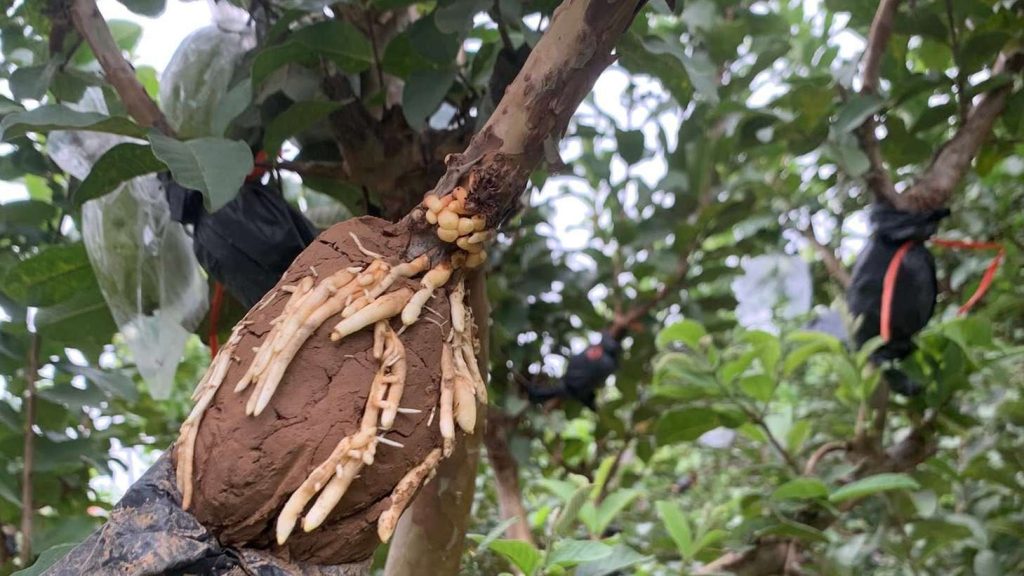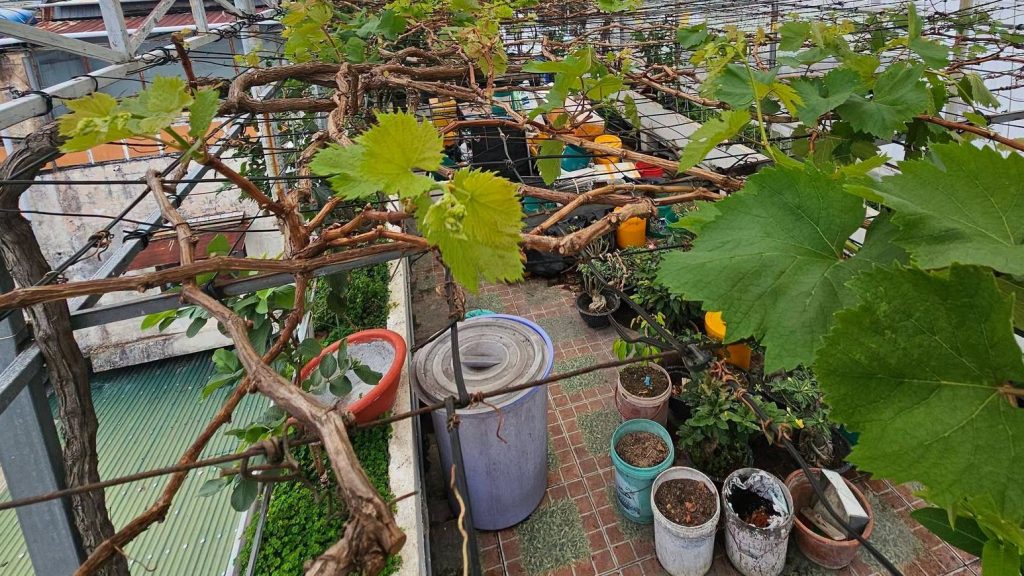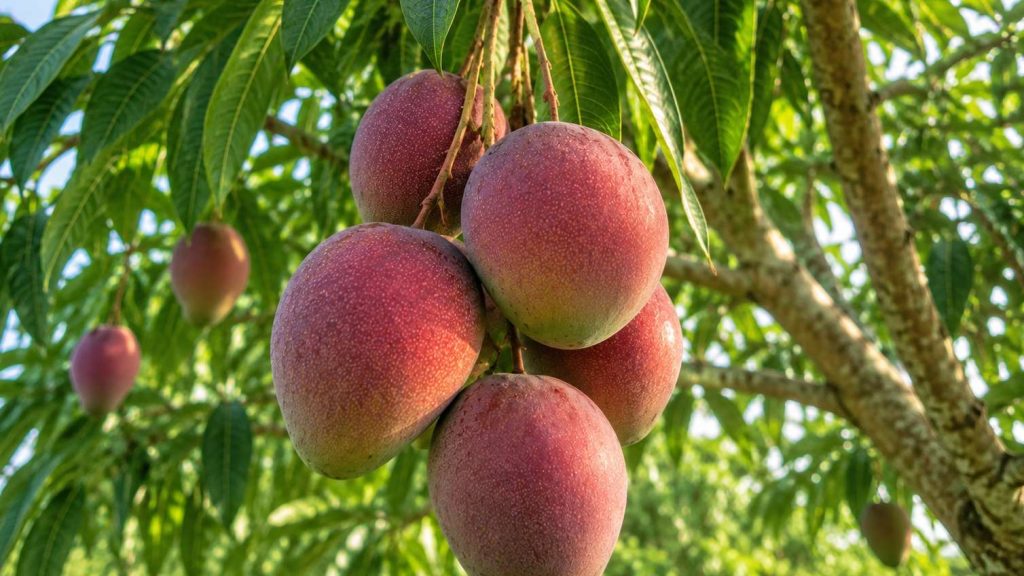
There are some fruits you remember long after you have forgotten their names.For many people who grew up near tropical forests, wild Garcinia was one of those fruits. It was not something you bought neatly packed at a grocery store.

You found it growing on a tree, sometimes deep along a forest path, and picked the ripe fruits with your own hands.
Wild Garcinia fruits can vary in appearance, with some varieties developing yellow fruit while others turn reddish as they mature. From the outside, they may look quite simple, but the flavor inside can be surprisingly memorable.
As a child, going into the forest to look for wild fruit could feel like a small adventure. You never quite knew what you would find. When the season was right, the trees could hide these colorful fruits among their green leaves. Once you opened a ripe one, the experience was completely different.
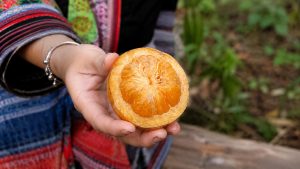
A Fruit From Childhood Forest Adventures
I remember how different fruit tasted when it came straight from the forest.
There was no supermarket shelf, no plastic package, and no label telling you what the fruit was supposed to taste like. You simply picked one, wiped away the dirt, opened it, and took a bite.
Wild Garcinia was especially interesting because the fruit could be surprisingly delicious when fully ripe.
The trees grow in warm, humid environments, often among other forest vegetation. Finding them could mean walking along small trails, looking through thick green leaves, or following places where wild fruit trees were known to grow.
For children, that made the fruit even more special.
You were not just eating fruit. You were discovering it.
A basket of wild fruit brought home from the forest could become a simple afternoon treat. Some fruits were eaten immediately, while others were saved for later. The ripe Garcinia was usually one of the fruits that did not stay around for very long.
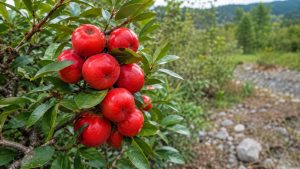
What Does Wild Garcinia Fruit Taste Like?
The easiest comparison for someone who has never tasted it is mangosteen.
The texture and refreshing character can bring mangosteen to mind, especially when the fruit is fully ripe. But wild Garcinia can have a stronger, more pronounced flavor. It tends to have a pleasant combination of sweetness and tartness, with an unmistakable sour note.
That sourness is part of its charm.
Instead of being blandly sweet, the fruit has personality. The flavor can linger on your tongue, making you want another bite.
Depending on the species and growing conditions, wild Garcinia fruits can vary considerably in size, color, acidity, and taste. Some are much more sour than others. This is one reason the name “Garcinia” can describe a fascinating range of tropical fruits rather than just one identical fruit.
When the fruit is ripe, the flesh becomes much more enjoyable to eat fresh. In traditional settings, people may simply open the fruit and eat the edible portions directly.
For someone discovering it for the first time, the flavor can be a pleasant surprise: somewhat like mangosteen, but with a bolder tropical tang.
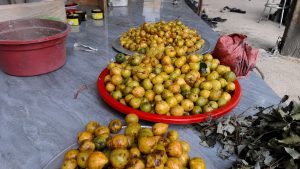
The Fruit Is Not the Only Useful Part
One of the interesting things about wild Garcinia is that people have traditionally found uses for more than just the ripe fruit.
The fruit can be eaten when ripe, but the outer rind or peel can also be used in cooking.
In some local cuisines, Garcinia peel is valued as a souring ingredient. Instead of throwing the peel away after preparing the fruit, it can be dried or used in cooking to add a distinctive sour flavor to dishes.
One traditional use is in fish soup.
A small amount of Garcinia peel can give the broth a naturally sour, fruity character. The flavor is different from simply adding lemon or another common souring ingredient. It has its own aroma and depth, which is one reason these forest fruits have remained useful in traditional cooking.
This is a beautiful example of how forest foods were traditionally used.
The fruit provided food when ripe, while the peel could become a cooking ingredient. Nothing needed to be wasted.
Ripe Garcinia Is Best Enjoyed Simply
Sometimes the simplest way to enjoy a fruit is still the best.
When wild Garcinia is ripe, you can simply open the fruit and eat the flesh. There is something satisfying about tasting a fruit this way, especially when it has just been picked.
The flavor is bright and refreshing, with that characteristic Garcinia acidity.
If you grew up eating forest fruits, you may understand why this kind of fruit can bring back memories so quickly. A particular sour taste can remind you of a certain trail, a rainy afternoon, or a group of children walking through the trees looking for something to eat.
That is part of what makes unusual fruits so interesting.
They are not always famous or commercially important. Sometimes their value is simply connected to the people and places that have known them for generations.
Why You Don’t See Wild Garcinia Everywhere
Garcinia is not exactly a strange plant in tropical regions, but many wild Garcinia fruits remain unfamiliar to people outside their native areas.
One reason is that many species are closely connected to local environments. They may grow naturally in forests or humid areas rather than being cultivated on a large commercial scale.
That means someone living far away may never encounter the fruit at all.
You can find many famous tropical fruits in supermarkets around the world today. Mangoes, bananas, pineapples, and mangosteens have become familiar internationally.
Wild Garcinia is different.
It can remain a local fruit, known well by people in the areas where the trees naturally grow but almost completely unknown elsewhere.
That makes it especially interesting for anyone fascinated by unusual fruits.
A Tree That Can Live Happily in Humid Conditions
Although wild Garcinia is often associated with forests, the tree itself is not necessarily difficult to grow when its basic environmental needs are met.
Garcinia species are generally suited to warm, humid conditions. They appreciate moisture and tend to perform better where the growing environment does not become extremely dry for long periods.
The trees are woody and can become substantial plants over time.
A healthy young tree needs a suitable location with adequate moisture, good soil, and enough space to develop. In a warm climate, once established, a Garcinia tree can be a fairly long-lived addition to a garden or tropical landscape.
For home growers, the main consideration is usually climate.
This is not the kind of fruit tree you would normally choose for a cold, dry garden. It is much more at home in a warm environment where humidity and moisture are naturally available.
In the right conditions, however, the tree can establish itself well and grow into an attractive woody fruit tree.
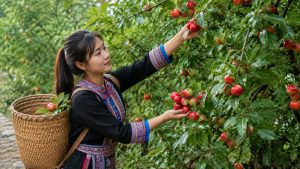
More Than Just an Exotic Fruit
When people hear the phrase “wild fruit,” they sometimes imagine something that is interesting only because it is unusual.
Wild Garcinia is a little different.
It represents the connection between food, forests, and local traditions.
The ripe fruit can be enjoyed fresh. The sour peel can contribute flavor to traditional dishes such as fish soup. And the tree itself can become part of the landscape in warm, humid regions.
Most importantly, it is a reminder that there are thousands of fruits around the world that never become famous internationally.
Some grow quietly in forests.
Some are known only by local names.
Some are picked by children during walks through the countryside.
And some, like wild Garcinia, have a flavor that stays in your memory for years.
The Kind of Fruit You Remember
There is a difference between discovering a fruit in a supermarket and discovering one in the forest.
When you buy a familiar fruit, you already know what to expect.
But when you find a wild Garcinia tree, the experience feels more personal. You see the tree first, find the fruit among the leaves, wait for it to ripen, and finally taste something that may have been growing there long before you arrived.
For anyone who grew up around tropical forests, that experience can be difficult to replace.
The flavor of ripe wild Garcinia may remind you of mangosteen, but with a stronger and more distinctive character. Its peel can add a memorable sour note to fish soup, while the tree itself quietly thrives in warm, humid conditions.
It may never become as famous as mango or mangosteen.
But perhaps that is part of its charm.
Wild Garcinia is the kind of fruit that does not need to be famous to be special. Sometimes, the best fruits are the ones you discover yourself—hidden among the trees, waiting for someone to come along and take the first bite.