Raspberries are rewarding fruit plants for home gardeners. Once established, they can produce delicious berries for many years with the right care. The plants do need good sunlight, well-drained soil, regular watering, and some pruning, but growing them is manageable even if you are new to gardening.
If you are wondering how to grow raspberries, this beginner-friendly guide covers everything from choosing a planting site to harvesting your first crop.
Choose the Right Raspberry Variety
Before planting, choose a raspberry variety that fits your climate and garden space.
Raspberries are generally divided into two main types:
Summer-bearing raspberries produce one main crop in early or mid-summer. They usually grow fruit on canes that developed during the previous year.
Ever-bearing or fall-bearing raspberries can produce a crop in late summer or fall. Some varieties can also produce an earlier crop under the right conditions.
When choosing plants, check whether the variety is recommended for your USDA hardiness zone. Local garden centers and nurseries can also help you select varieties that perform well in your area.
Choose a Good Planting Location
Raspberries grow best in a sunny location with good air circulation.
Choose a spot that receives around 6 to 8 hours of direct sunlight per day. More sunlight generally means stronger growth and better fruit production.
Avoid planting raspberries in areas where water collects after rain. Their roots do not perform well in constantly wet soil.
Good air circulation is also helpful because crowded, damp conditions can increase the risk of fungal problems.
If possible, give raspberry plants their own growing area rather than placing them in a crowded garden bed.
Prepare the Soil
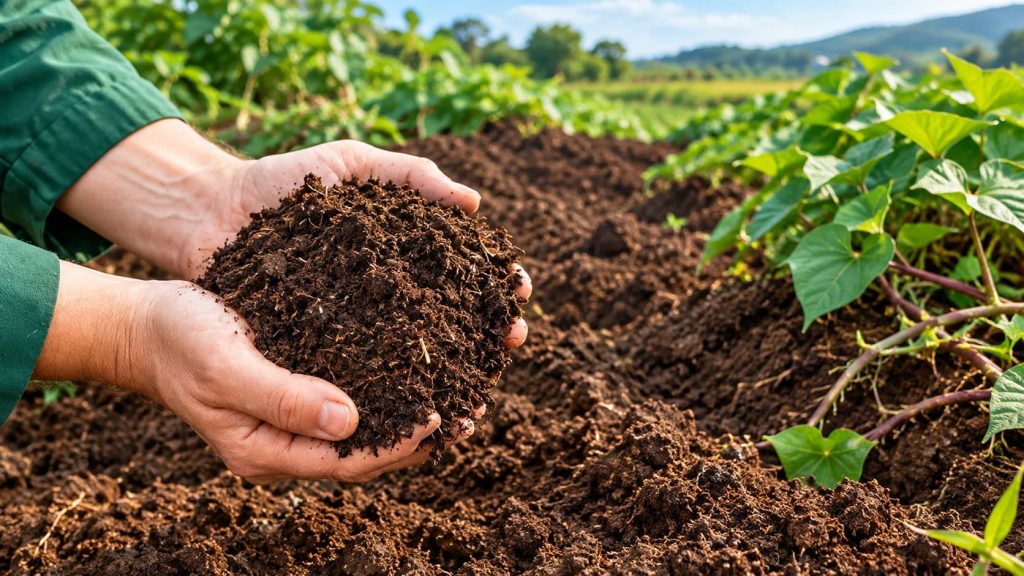
Raspberries prefer fertile, well-drained soil that contains plenty of organic matter.
Before planting, loosen the soil and remove weeds, grass, and large stones. Work compost or well-aged organic matter into the planting area if the soil is poor.
A slightly acidic soil is generally suitable for raspberries, with a soil pH around 5.5 to 6.5.
A soil test can help you understand what your garden soil needs before planting.
Avoid adding large amounts of fertilizer without testing the soil first. Too much fertilizer can encourage excessive leafy growth instead of healthy fruit production.
Plant Raspberries at the Right Time
The best planting time depends on your climate.
In many areas, early spring is a good time to plant bare-root raspberry plants. Planting can also be done in fall in regions where winters are relatively mild.
Plant raspberries while they are still dormant or before strong new growth begins.
When planting, dig a hole large enough to comfortably spread the roots. Place the plant at approximately the same depth it was growing previously.
Cover the roots with soil, gently firm the soil around the plant, and water thoroughly.
Avoid burying the crown too deeply.
Give Raspberry Plants Enough Space
Raspberries need room to grow because they can produce multiple canes from the same plant.
Spacing depends on the variety and growing system, but plants are commonly spaced about 2 to 3 feet apart, with wider spacing between rows.
Good spacing makes it easier to:
- Harvest the berries
- Prune old canes
- Improve air circulation
- Control weeds
- Inspect plants for pests and diseases
A crowded raspberry patch can quickly become difficult to manage.
Water Raspberries Regularly
Consistent moisture is important, particularly while raspberry plants are becoming established and when fruit is developing.
Water deeply rather than giving the plants frequent, shallow watering.
During dry weather, check the soil regularly. The goal is to keep the root zone evenly moist without leaving it waterlogged.
Mulching around the plants can help conserve soil moisture and reduce competition from weeds.
Drip irrigation or a soaker hose can also be useful because they deliver water near the roots while keeping the foliage relatively dry.
Mulch Around the Plants
A layer of organic mulch can make raspberry care easier.
You can use materials such as:
- Straw
- Shredded leaves
- Compost
- Pine bark
- Wood chips
Apply mulch around the plants while leaving a little space around the base of each cane.
Mulch helps retain moisture, suppress weeds, and moderate soil temperature. As organic mulch breaks down, it can also contribute organic matter to the soil.
Fertilize Carefully
Raspberries benefit from fertile soil, but they do not necessarily need heavy feeding.
A balanced fertilizer or fertilizer recommended specifically for berry plants can be applied according to soil-test results and product directions.
Spring is generally an important time to support new growth.
Avoid excessive nitrogen. Too much nitrogen can produce lots of green growth while reducing fruit production or making the plants more difficult to manage.
Healthy soil, compost, and proper watering are often just as important as fertilizer.
Provide Support for Raspberry Canes
Many raspberry plants benefit from a trellis or support system.
As the canes grow, they can become tall and bend under the weight of leaves and fruit. A simple trellis can keep the canes more upright and make harvesting easier.
Support also helps improve air circulation and keeps fruit away from the ground.
The exact trellis design depends on the raspberry variety and how many plants you are growing.
Prune Raspberry Plants
Pruning is one of the most important parts of raspberry care.
The correct pruning method depends on whether your plants are summer-bearing or fall-bearing.
Summer-bearing raspberries generally fruit on second-year canes. After those canes finish producing fruit, they can be removed.
Fall-bearing varieties have different pruning options depending on whether you want one large fall crop or two crops.
Remove weak, damaged, diseased, or unwanted canes to keep the patch open and productive.
If you are unsure which canes to remove, identify your variety before pruning. Cutting the wrong canes can reduce the following season’s harvest.
Watch for Pests and Diseases
Raspberries can be affected by various pests and plant diseases.
Inspect the plants regularly for:
- Discolored leaves
- Wilting
- Damaged canes
- Holes in leaves
- Small insects
- Moldy fruit
- Weak or dying growth
Good spacing, proper watering, pruning, and garden sanitation can help reduce many problems.
Remove damaged fruit and plant material from the growing area rather than allowing it to accumulate around the plants.
If you notice a serious problem, identify the pest or disease before choosing a treatment.
Protect Raspberries From Weeds
Weeds compete with raspberry plants for water, nutrients, and sunlight.
Keep the area around the plants relatively weed-free, especially during the growing season.
Hand-pulling, shallow cultivation, and organic mulch can all help.
Be careful when cultivating around raspberries because their roots can grow relatively close to the soil surface. Deep digging can damage them.
When to Harvest Raspberries
Raspberries are usually ready to harvest when they have developed their characteristic color and easily separate from the plant.
Ripe berries should come off with a gentle pull. If you have to tug hard, they may need more time.
Harvest raspberries regularly because ripe fruit can spoil quickly, especially during warm weather.
Pick berries in the morning when temperatures are cooler. Handle them gently and place them into shallow containers to reduce crushing.
How to Keep Raspberry Plants Healthy
Once your raspberry patch is established, consistent maintenance becomes the key to good production.
Focus on the basics:
- Give plants plenty of sunlight.
- Keep soil evenly moist.
- Maintain good air circulation.
- Remove weeds regularly.
- Prune according to the variety.
- Support tall canes.
- Watch for pests and diseases.
- Harvest ripe berries frequently.
A little attention throughout the growing season can make a major difference.
Final Thoughts
Growing raspberries does not have to be complicated. Start with a suitable variety, choose a sunny planting location, prepare well-drained soil, and give the plants consistent moisture.
As the plants mature, focus on pruning, supporting the canes, controlling weeds, and watching for common problems. With the right conditions and regular care, a small raspberry patch can provide plenty of fresh fruit for eating, baking, smoothies, and homemade desserts.