Growing a jackfruit tree can be a rewarding project if you live in a warm climate. Jackfruit trees are tropical plants that can eventually produce large, flavorful fruits under the right conditions. With enough sunlight, warmth, moisture, and space, a healthy tree can become a productive part of a home garden.
Whether you are starting with a young nursery tree or growing from seed, understanding the basic needs of a jackfruit tree is the key to successful growth.
Choosing the Right Location
Jackfruit trees need a warm, sunny location with plenty of room to grow. Choose an area that receives at least 6 to 8 hours of direct sunlight each day.
Because mature trees can become large, avoid planting directly beside buildings, fences, underground utilities, or other trees. Good air circulation is also helpful for reducing moisture-related problems.
A sheltered location can be useful in areas where strong winds occur. Young trees can be particularly vulnerable to wind damage.
Climate Requirements
Jackfruit is naturally adapted to tropical and warm subtropical environments. It grows best where temperatures remain warm for most of the year.
The tree does not tolerate prolonged cold or freezing temperatures well. Young trees are especially sensitive to cold weather.
If you live in a cooler region, growing jackfruit in a large container may be more practical. A container-grown tree can potentially be moved to a protected location during cold periods, although it will still need plenty of sunlight and adequate growing space.
Preparing the Soil
A jackfruit tree grows best in fertile, well-draining soil. The roots need access to moisture, but constantly waterlogged soil can cause serious root problems.
Before planting, loosen the soil and remove large rocks, weeds, and debris. If the soil drains poorly, consider improving the planting area rather than simply watering less.
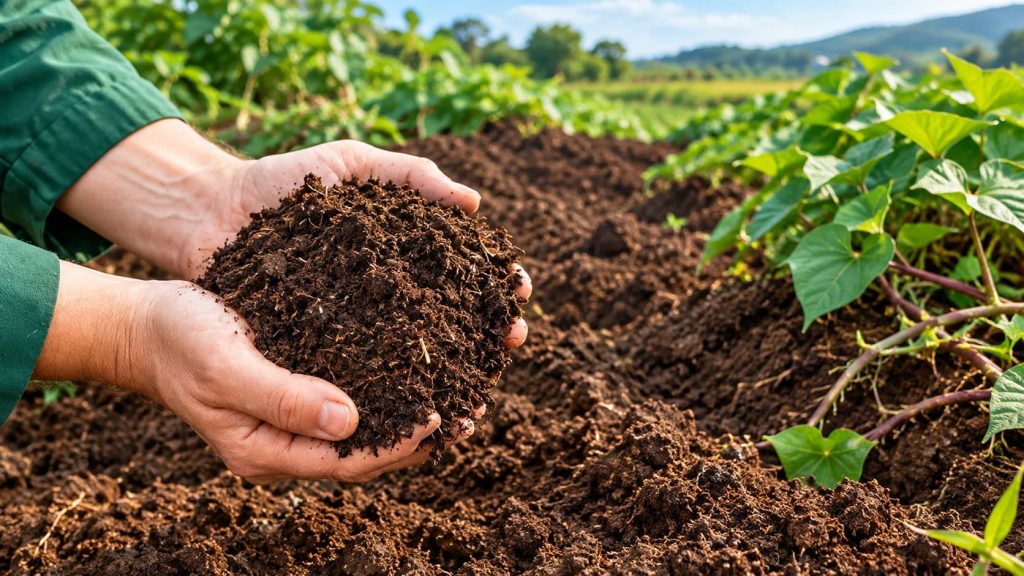
Adding mature organic matter or compost can help improve soil structure and provide nutrients. However, avoid placing excessive fertilizer directly against the roots of a newly planted tree.
How to Plant a Jackfruit Tree
Planting is easiest during warm weather when the tree has plenty of time to establish its roots.
Start by digging a hole that is wider than the tree’s root ball and roughly as deep as the root system. Place the tree so that the top of the root ball is level with or slightly above the surrounding soil.
Backfill with the original soil and gently firm it around the roots. Water thoroughly after planting to settle the soil.
Avoid burying the trunk. Excess soil around the base can keep the bark constantly moist and may contribute to problems later.
Growing Jackfruit From Seed
Jackfruit can also be grown from seed, although seed-grown trees may not produce fruit identical to the parent tree.
Use fresh, healthy seeds from a mature jackfruit. Clean away the remaining fruit pulp and plant the seed relatively soon because jackfruit seeds do not store well for long periods.
Plant the seed in a well-draining growing medium and keep it warm and moderately moist. Germination can occur relatively quickly under favorable conditions.
Once the seedling develops into a strong young plant, it can eventually be moved into a larger container or planted outdoors in a suitable location.
For predictable fruit characteristics, gardeners often prefer a healthy grafted or nursery-grown tree from a reputable source.
Watering a Jackfruit Tree
Young jackfruit trees need consistent moisture while their roots are becoming established. Water deeply when the upper soil begins to dry, rather than giving the tree frequent shallow watering.
During hot or dry weather, newly planted trees may need more frequent irrigation.
Once established, jackfruit trees can tolerate short periods of dry weather better than young plants. Even so, adequate moisture is important during active growth and fruit development.
Avoid keeping the soil saturated. Good drainage is just as important as regular watering.
Fertilizing
Jackfruit trees benefit from adequate nutrients, particularly when they are actively growing and producing fruit.
A balanced fertilizer can be used according to the product instructions. Mature trees may also benefit from compost or other well-decomposed organic matter applied around the root zone.
Do not pile fertilizer directly against the trunk. Spread it around the tree while keeping some space around the base.
The exact fertilizer program should depend on soil conditions, tree age, and local climate.
Pruning a Jackfruit Tree
Regular pruning can help keep a jackfruit tree manageable and improve access to the canopy.
Remove dead, damaged, or diseased branches first. You can also remove branches that cross each other or grow into the center of the canopy.
For a home garden, maintaining a manageable tree height can make harvesting easier. However, avoid excessive pruning because removing too much healthy growth at once can stress the tree.
Young trees can be trained early to develop a strong structure with well-spaced branches.
Protecting the Tree From Pests and Diseases
Healthy jackfruit trees are generally easier to manage than stressed plants. Check the leaves, branches, and developing fruit regularly for unusual spots, insects, or damage.
Common garden pests may include scale insects, mealybugs, aphids, and fruit-related pests. Fungal problems can become more likely when conditions are excessively wet and air circulation is poor.
Remove severely damaged plant material when appropriate and keep the area around the tree clean. Proper watering, sunlight, drainage, and pruning can all contribute to healthier growth.
If a serious pest or disease problem develops, identify the specific problem before choosing a treatment.
When Does a Jackfruit Tree Produce Fruit?
The time required for a jackfruit tree to produce fruit depends heavily on how the tree was propagated.
Grafted or nursery-grown trees can generally produce fruit sooner than trees grown from seed. Seed-grown trees may take several years before reaching fruit-bearing maturity.
Growing conditions also matter. Adequate sunlight, water, nutrition, and a suitable climate can encourage healthy development.
Once a tree begins flowering and setting fruit, proper care becomes especially important. Heavy fruit can place significant weight on branches, so maintaining a strong tree structure is useful.
How to Harvest Jackfruit
Jackfruit is usually harvested when the fruit has developed mature characteristics but before it becomes excessively soft.
The skin may change slightly in color, the surface texture can become less rigid, and the fruit may develop a stronger aroma as it approaches ripeness.
Because jackfruit can be very large and contains sticky latex, harvesting and cutting require care. Use a sturdy knife and protect the cutting surface from the sticky sap.
For large fruits, harvesting with another person can make handling easier.
Growing Jackfruit in a Container
A jackfruit tree can be started in a container, especially while it is young. Choose a pot with drainage holes and use a well-draining growing medium.
As the tree grows, it will eventually need a larger container. Container-grown trees generally remain more restricted than trees planted directly in the ground, but they still require adequate sunlight, water, nutrients, and root space.
Choose a naturally smaller or grafted cultivar if available when growing in a limited space.
Final Thoughts
Growing a jackfruit tree requires patience, warmth, sunlight, good drainage, and consistent care. The most important step is choosing a suitable planting location with enough room for the tree to develop.
Water young trees regularly without keeping the soil waterlogged, provide balanced nutrition, prune when necessary, and monitor the plant for pests and diseases. With the right growing conditions, a healthy jackfruit tree can become a productive and attractive tropical fruit tree for many years.