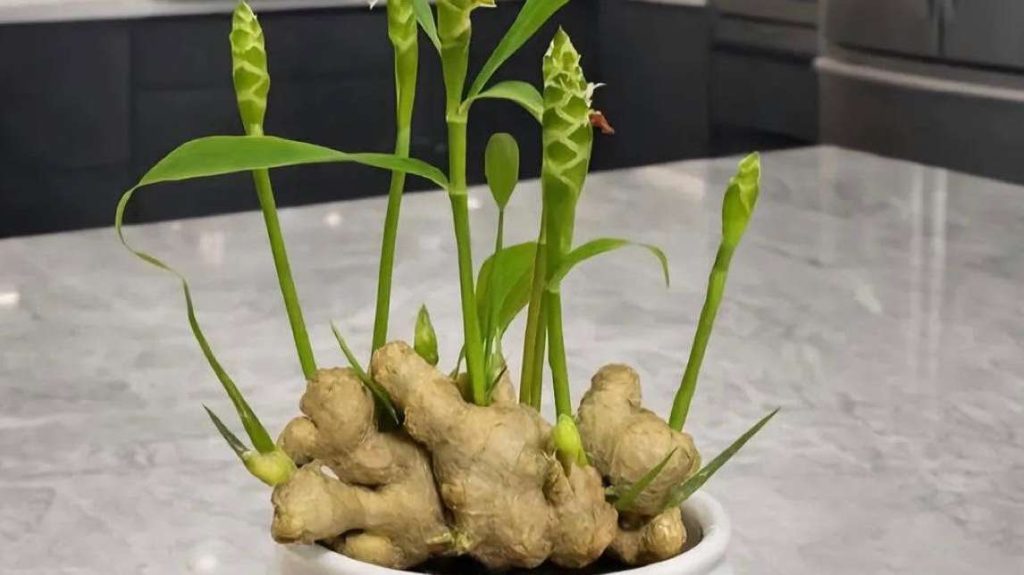
Growing organic bananas can be a rewarding choice for home gardeners, small farms, and commercial growers. Organic banana production focuses on healthy soil, natural nutrient cycling, biodiversity, and responsible pest management rather than relying heavily on synthetic agricultural inputs.
Bananas are vigorous plants when grown in warm conditions with enough sunlight, moisture, and fertile soil. With the right approach, organic growing methods can help create a productive banana garden while supporting the long-term health of the growing environment.
Healthier Soil
One of the biggest benefits of growing organic bananas is the emphasis on soil health.
Organic growers often use compost, aged manure, plant residues, and other forms of organic matter to improve soil structure. These materials can help the soil retain moisture while providing an environment where beneficial microorganisms and earthworms can thrive.
Healthy soil gives banana roots better access to water and nutrients. Over time, regularly adding organic matter can also make the soil easier to work with and more resilient during periods of heavy rain or dry weather.
Natural Nutrient Cycling
Banana plants require nutrients such as nitrogen, potassium, phosphorus, and several micronutrients for healthy growth and fruit production.
Organic cultivation supports nutrient cycling by returning suitable plant material and organic matter to the soil. Compost and decomposed plant residues gradually release nutrients as microorganisms break them down.
Instead of depending entirely on quick-release fertilizers, growers can build fertility gradually through good soil management.
A soil test can still be useful because it helps identify nutrient deficiencies and prevents unnecessary applications of amendments.
Reduced Reliance on Synthetic Chemicals
Organic banana growing generally aims to reduce or avoid synthetic fertilizers and pesticides.
Growers can use preventive practices such as maintaining healthy soil, removing diseased plant material, controlling weeds, and monitoring plants regularly.
When pests appear, early identification can make management easier. Natural predators, physical removal, sanitation, and appropriate organic-approved treatments may all have a role depending on the problem.
Organic growing does not mean bananas are completely free from pests or diseases. Instead, it focuses on managing problems through a broader and more sustainable approach.
Improved Biodiversity
A diverse growing environment can benefit an organic banana garden.
Growers can maintain flowering plants, ground covers, and other suitable vegetation around banana plants. These plants may provide habitat and food for beneficial insects.
Predatory insects can help control certain pests, while other organisms contribute to a more balanced ecosystem.
Greater biodiversity can also make the garden more resilient because it creates a wider range of organisms interacting with one another instead of relying on a single crop system.
Better Water Management
Bananas need consistent moisture, especially during active growth and fruit development.
Organic soil management can improve water retention by increasing the amount of organic matter in the soil. Compost and mulch can help reduce moisture loss from the soil surface.
Organic mulch also protects exposed soil from heavy rain and excessive evaporation. As it breaks down, it contributes additional organic matter.
However, good drainage remains important. Banana roots do not perform well in soil that stays waterlogged for long periods.
Natural Weed Control
Weeds compete with banana plants for moisture, nutrients, light, and growing space.
Organic growers can control weeds through regular hand removal, shallow cultivation, and mulching.
A layer of organic mulch can suppress many weeds while helping the soil stay moist. Suitable mulch materials may include dry leaves, grass clippings, or other plant-based materials.
Avoid placing thick, wet mulch directly against the banana stem because excessive moisture around the base can create an unfavorable environment for certain problems.
Stronger Growing Conditions
Organic practices can help create conditions that support healthy banana growth.
A banana plant needs sufficient sunlight, water, nutrients, and warmth. Healthy soil can support the root system, while mulch helps regulate moisture and temperature around the roots.
When these basic requirements are met, banana plants can produce vigorous leaves and develop fruit more effectively.
However, organic growing should not be viewed as a guarantee of higher yields. Variety selection, climate, planting location, spacing, irrigation, and pest management all influence production.
Benefits for Small Farms
Organic banana cultivation can be especially useful for small-scale growers.
Farmers may be able to produce some compost and mulch from materials already available on the farm. Recycling leaves, crop residues, and other organic materials can reduce waste and potentially lower the need to purchase certain soil amendments.
Local demand for organically grown produce may also provide additional marketing opportunities.
Farmers interested in selling bananas as certified organic produce should remember that certification standards differ between countries and markets. Simply using natural growing methods does not automatically make a crop officially certified organic.
Supporting Local Agricultural Economies
Banana production can contribute to local economies by providing income for farmers and creating demand for agricultural labor, transportation, packaging, and food processing.
Organic production can add another dimension to this agricultural system by creating products that appeal to consumers interested in sustainable farming practices.
Learn more about the benefits of growing organic bananas, including healthier soil, better biodiversity, natural pest management, and sustainable farming practices.
Reduced Agricultural Waste
Organic banana systems can make better use of plant materials.
Banana leaves, stems, and other suitable residues can sometimes be used as mulch or incorporated into composting systems after appropriate preparation.
Instead of treating these materials simply as waste, growers can return some of their nutrients and organic matter to the soil.
This creates a simple cycle in which materials produced by the garden can contribute to future plant growth.
Long-Term Soil Fertility
Bananas can remain productive in the same growing area for multiple seasons, making long-term soil management important.
Repeatedly growing plants without replacing nutrients or organic matter can gradually reduce soil quality.
Organic practices focus on maintaining soil fertility through compost, mulch, plant residues, and other suitable amendments. These materials can support soil organisms and improve physical soil properties over time.
Maintaining healthy soil can therefore be one of the most valuable investments an organic banana grower makes.
Organic Pest Management
Banana plants can face various pests and diseases, so regular monitoring is essential.
Inspect leaves, stems, and developing fruit frequently. Look for unusual discoloration, damaged foliage, poor growth, or visible insects.
Keeping the growing area clean can help reduce potential sources of disease. Removing severely affected plant material and controlling weeds can also improve overall garden hygiene.
Encouraging beneficial insects is another useful strategy. In some situations, natural predators can help keep pest populations under control.
If treatment becomes necessary, choose an option that is appropriate for your growing system and follow the product directions carefully.
Tips for Growing Organic Bananas
Start by choosing a healthy banana variety that suits your local climate.
Select a sunny location with fertile, well-drained soil. Before planting, improve the soil with mature compost or another suitable organic amendment.
Water consistently, especially during hot or dry weather, while avoiding prolonged waterlogging.
Apply organic mulch around the plant to conserve moisture and suppress weeds, but leave some space around the base of the plant.
Inspect banana plants regularly for pests and diseases. Early detection is usually easier to manage than a serious infestation.
Remove old or damaged plant material when appropriate and keep the surrounding growing area reasonably clean.
Most importantly, focus on building healthy soil. Good soil management provides a foundation for strong plants and productive growth over the long term.
Conclusion
Growing organic bananas offers several potential benefits for gardeners and farmers. Healthy soil, natural nutrient cycling, biodiversity, improved water management, reduced chemical reliance, and better use of agricultural waste can all contribute to a more sustainable growing system.
Organic banana cultivation still requires careful attention to sunlight, water, nutrition, pests, diseases, and drainage. It is not simply a matter of avoiding synthetic products.
When growers combine good agricultural practices with responsible soil management, banana plants can become a productive part of a healthy and sustainable garden or farm.