Learning how to care for a Fiddle Leaf Fig is easier when you understand what this tropical houseplant needs most. Fiddle Leaf Figs are known for their large, violin-shaped leaves and upright growth, but they can be sensitive to sudden changes in light, watering, and temperature.
The key to successful care is consistency. Give your plant bright light, well-draining soil, appropriate moisture, and a stable indoor environment. With the right conditions, a Fiddle Leaf Fig can become a beautiful focal point in a home or indoor garden.
Choose the Right Location
Light is one of the most important factors in Fiddle Leaf Fig care.
Place the plant in a bright location where it receives plenty of natural light. A position near a bright window is usually a good choice.
Fiddle Leaf Figs can tolerate some direct sunlight, but a plant that has been growing in low light should be introduced to stronger sunlight gradually.
Avoid moving the plant frequently. Sudden changes in light can cause stress and may lead to leaf drop.
If the plant is growing toward one side of the window, rotate the container occasionally so the growth receives light more evenly.
How Often Should You Water a Fiddle Leaf Fig?
Fiddle Leaf Figs prefer consistent moisture but do not like constantly saturated soil.
Before watering, check the upper portion of the soil with your finger. If it feels dry, water thoroughly until some water drains from the bottom of the container.
Allow excess water to drain away completely. Do not leave the pot sitting in a saucer filled with water.
The exact watering frequency depends on the plant’s light, temperature, pot size, soil, and season. A plant in bright light may use water more quickly than one growing in a darker room.
Instead of following a strict weekly schedule, check the soil before each watering.
Use Well-Draining Soil
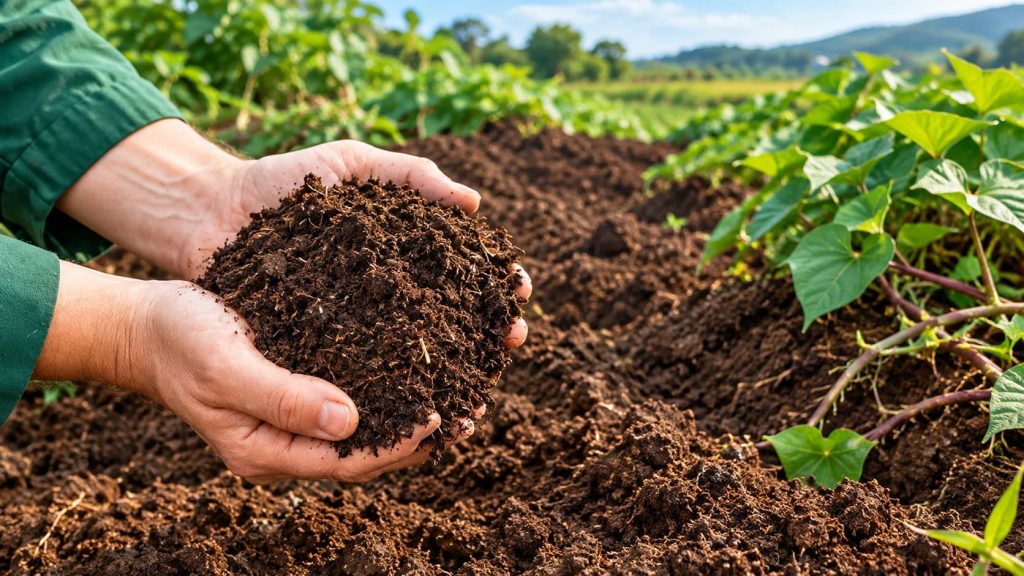
A Fiddle Leaf Fig needs a potting mix that holds some moisture while still allowing excess water to drain.
A quality indoor potting mix combined with materials that improve drainage and aeration can work well.
Avoid dense soil that stays wet for extended periods. Poor drainage can create unfavorable conditions around the roots.
The container should also have drainage holes at the bottom.
Provide Suitable Humidity
Fiddle Leaf Figs come from tropical environments and generally appreciate moderate humidity.
If your indoor air is very dry, particularly during winter, you can increase humidity with a humidifier or by grouping plants together.
However, extremely wet foliage is not necessary. Good air circulation is also important, especially when humidity is higher.
Keep the plant away from strong heating or cooling vents, which can create sudden changes in temperature and humidity.
Keep the Temperature Stable
Fiddle Leaf Figs prefer warm indoor conditions.
Protect the plant from cold drafts, very cold windows, and frequently opened exterior doors during colder weather.
Avoid placing it directly beside heating vents or air-conditioning units.
A stable environment is usually better than constantly moving the plant between different locations.
Fertilizing a Fiddle Leaf Fig
Fiddle Leaf Figs can benefit from regular feeding during active growth.
Use a balanced houseplant fertilizer according to the manufacturer’s instructions. Do not apply more fertilizer than recommended.
During periods of slower growth, especially when indoor light levels are low, the plant generally needs less fertilizer.
Watering the plant appropriately before fertilizing can also help prevent concentrated fertilizer from contacting very dry roots.
Pruning and Shaping
Pruning can help maintain the size and shape of a Fiddle Leaf Fig and encourage branching.
Use clean, sharp pruning shears to remove dead or damaged leaves and unwanted growth.
If the plant becomes too tall or develops an uneven shape, selective pruning can help create a more balanced appearance.
Avoid removing large amounts of healthy growth at one time. Gradual pruning is usually easier for the plant to handle.
Clean your pruning tools before and after use, particularly when caring for multiple plants.
Clean the Large Leaves
Fiddle Leaf Fig leaves are large and can collect dust easily.
Gently wipe the leaves with a clean, damp cloth when needed. This also gives you an opportunity to inspect the foliage closely.
While cleaning, check both sides of the leaves for unusual spots, insects, or other changes.
Avoid using harsh household cleaning products on the foliage.
Repotting a Fiddle Leaf Fig
Fiddle Leaf Figs do not necessarily need to be repotted every year.
Consider repotting when the plant has clearly outgrown its container, roots have become crowded, or the existing potting mix no longer drains properly.
Choose a container only moderately larger than the current one and make sure it has drainage holes.
After repotting, return the plant to a bright, stable location and monitor the soil carefully while it adjusts.
Common Fiddle Leaf Fig Problems
Yellow Leaves
Yellow leaves can have several causes, including excessive moisture, poor drainage, insufficient light, or natural aging.
Check the soil before changing your watering routine. If it stays wet for a long time, examine the container and potting mix.
Brown Leaf Edges
Brown edges may occur when the plant experiences dry conditions, inconsistent watering, environmental stress, or other growing problems.
Look at the overall environment rather than assuming one specific cause.
Dropping Leaves
Leaf drop can occur after sudden changes in light, temperature, watering, or location.
Fiddle Leaf Figs often respond better when their growing conditions remain stable.
Slow Growth
Slow growth can occur when the plant does not receive enough light or when environmental conditions are not suitable.
Move the plant gradually toward a brighter location if necessary and maintain consistent care.
Simple Fiddle Leaf Fig Care Tips
Keep these habits in mind:
- Provide plenty of bright natural light.
- Introduce direct sunlight gradually.
- Check the soil before watering.
- Avoid constantly wet soil.
- Use a container with drainage holes.
- Choose well-draining potting soil.
- Maintain moderate humidity.
- Protect the plant from cold drafts.
- Fertilize during active growth according to the label.
- Clean large leaves regularly.
- Prune damaged or unwanted growth with clean tools.
- Avoid moving the plant unnecessarily.
Conclusion
The best way to learn how to care for a Fiddle Leaf Fig is to focus on consistency. Bright light, appropriate watering, good drainage, moderate humidity, and stable temperatures provide the foundation for healthy growth.
These plants can react to sudden environmental changes, so avoid constantly moving them or changing several care habits at once. Instead, observe the leaves and soil and make gradual adjustments when needed.
For a broader guide to this popular houseplant, including its characteristics and growing requirements, see our Fiddle Leaf Fig guide.
FAQ
How often should I water a Fiddle Leaf Fig?
Check the soil before watering. When the upper portion has dried, water thoroughly and allow excess water to drain away.
Does a Fiddle Leaf Fig need direct sunlight?
It prefers bright light and can tolerate some direct sunlight. If it has been growing in low light, introduce stronger sunlight gradually.
Why are my Fiddle Leaf Fig leaves turning brown?
Brown areas can have several causes, including inconsistent watering, dry conditions, environmental stress, or other growing problems. Check the plant’s overall conditions.
Why is my Fiddle Leaf Fig losing leaves?
Sudden changes in light, temperature, watering, or location can contribute to leaf drop. Keeping conditions stable can help reduce stress.
Does a Fiddle Leaf Fig need humidity?
It generally appreciates moderate humidity. If indoor air is very dry, a humidifier can help create a more comfortable growing environment.
How much light does a Fiddle Leaf Fig need?
Give it a bright location with plenty of natural light. A bright window is often suitable, but sudden exposure to intense direct sunlight should be avoided.