Monstera plants are popular houseplants known for their large, tropical leaves and distinctive natural splits and holes. With the right growing conditions, they can develop quickly and become an impressive feature in a home, office, or indoor garden.
Although Monstera is relatively easy to care for, it still needs appropriate light, watering, humidity, soil, and support. Understanding these basic requirements can help your plant produce healthy leaves and strong new growth.
Choosing the Right Location for Your Monstera
The first step in successful Monstera care is finding a suitable location. These tropical plants naturally grow beneath taller vegetation, so they are adapted to bright but filtered light rather than harsh direct sunlight all day.
Place your Monstera near a bright window where it can receive plenty of indirect light. An east- or north-facing window can work well, while a bright south- or west-facing location may require some distance from the glass or a sheer curtain.
Too little light can result in slower growth and smaller leaves. On the other hand, intense direct sunlight can scorch the foliage.
Rotate the pot occasionally so different sides of the plant receive light. This can also encourage more balanced growth.
How Much Water Does Monstera Need?
Monstera plants prefer evenly moist but not constantly wet soil. Overwatering is one of the most common problems because excess moisture can reduce oxygen around the roots and contribute to root problems.
Before watering, check the top few inches of soil with your finger. If the soil feels dry, it is usually time to water. If it still feels noticeably damp, wait a little longer.
When you water, apply enough to moisten the root ball thoroughly and allow excess water to drain from the bottom of the pot. Empty any standing water from the saucer.
The exact watering frequency depends on factors such as temperature, humidity, pot size, soil type, and light levels. Instead of following a strict schedule, check the soil regularly.
Use Well-Draining Soil
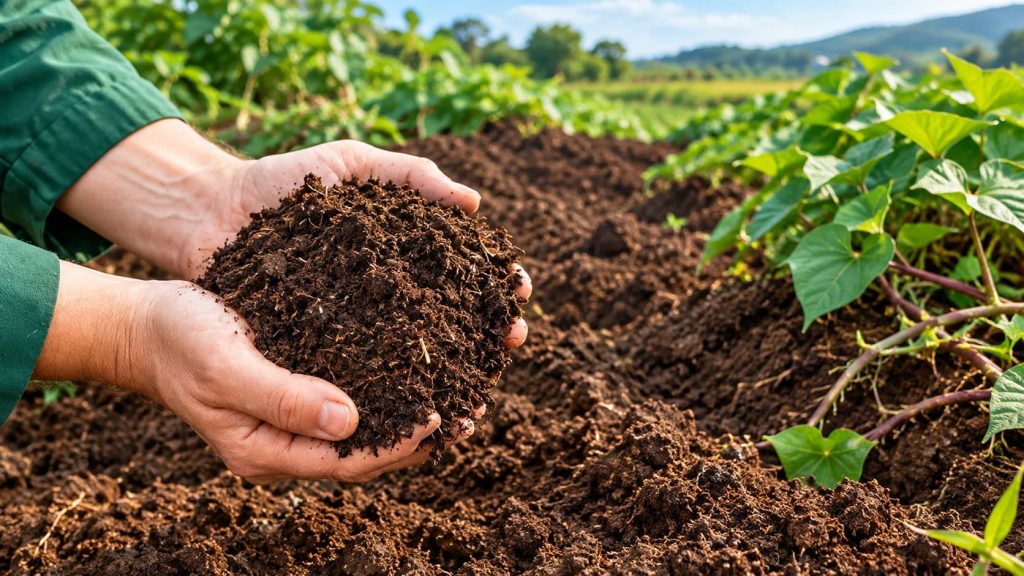
Good soil is essential for healthy Monstera roots. A heavy soil mixture that holds too much water can create poor growing conditions.
A well-draining houseplant mix combined with materials such as perlite and orchid bark can provide a useful balance of moisture retention and drainage.
The pot should also have drainage holes. These allow excess water to escape after watering and help prevent the roots from sitting in stagnant water.
If the soil remains wet for a long time, consider improving drainage or moving the plant into a more suitable potting mixture.
Humidity and Temperature
Monstera plants come from tropical environments, so they generally appreciate moderate to high humidity.
Average indoor humidity can be sufficient, but your plant may benefit from additional humidity when the air is particularly dry. A humidifier can provide more consistent moisture in the surrounding air.
Keep Monstera away from cold drafts, heating vents, and sudden temperature changes. Normal indoor temperatures are generally suitable as long as the plant is protected from extreme cold.
Avoid placing the plant directly next to an air conditioner or heater because rapidly changing air conditions can stress the foliage.
Fertilizing Your Monstera
During active growth, Monstera can benefit from regular fertilization. A balanced houseplant fertilizer can provide nutrients needed for continued leaf and stem development.
Always follow the fertilizer label for the recommended dilution and frequency. Applying too much fertilizer can cause nutrient buildup in the soil and potentially damage the roots.
Growth usually slows during periods of lower light or cooler conditions, so fertilizer needs may decrease when the plant is not actively growing.
Provide Support for Healthy Growth
Monstera is a climbing plant, and mature specimens often benefit from structural support.
A moss pole, coir pole, trellis, or another suitable plant support can help guide the stems upward. Gently secure the stems without tying them too tightly.
With appropriate support, a Monstera can develop a more upright growth habit and make better use of vertical space.
As the plant matures, its leaves may also become larger and develop more characteristic splits.
Pruning Monstera Plants
Pruning is not always necessary, but it can help maintain the plant’s appearance and remove damaged or unhealthy foliage.
Use clean, sharp pruning tools when removing yellow, brown, or damaged leaves. Cut close to the base of the affected leaf stem without unnecessarily damaging healthy plant tissue.
You can also trim excessively long or awkward growth if the plant has become difficult to manage.
Regularly removing damaged foliage can keep the plant looking tidy while allowing it to focus its energy on healthy growth.
Repotting Your Monstera
Monstera plant may eventually outgrow their containers. Signs that repotting may be needed include roots emerging from drainage holes, very rapid drying of the soil, or a plant that has become noticeably root-bound.
Choose a container only slightly larger than the current pot. Moving a small plant into a very large container can leave excess soil around the roots that stays wet for too long.
When repotting, use fresh, well-draining soil and make sure the new container has drainage holes.
Spring and early summer are often convenient times for repotting because plants are entering or experiencing active growth.
Common Monstera Problems
Yellow leaves can have several causes. Overwatering, poor drainage, insufficient light, or natural aging can all contribute to yellow foliage.
Brown leaf edges may occur when the air is very dry, watering is inconsistent, or the plant experiences environmental stress.
If the leaves are small and growth is slow, insufficient light may be a factor. Moving the plant to a brighter location with indirect light can help.
Inspect the leaves and stems regularly for signs of common houseplant pests. Early detection makes it easier to manage problems before they become widespread.